The Hidden Truth About Tour Guides in Morocco – Why Traveling Alone Can Cost You More Than You Think
INTRODUCTION – WHY A Professional Morocco Tour Guide is your most important choice in Morocco
Morocco is a land of layered histories, intricate identities, and landscapes that shift from Sahara dunes to High Atlas peaks, argan forests, Amazigh villages, and ancient imperial cities. Traveling through this complexity without guidance is like entering a vast library without knowing how to read its languages. Each valley carries a story, each kasbah holds generations of memory, and each village has codes of hospitality, symbolism, and traditions that require cultural fluency to understand.
In recent years, the importance of having a Professional Morocco Tour Guide has increased sharply — not because Morocco is difficult, but because it is too rich, too diverse, and too layered to be fully understood by a visitor traveling alone.
This article examines the academic, cultural, historical, and practical arguments for hiring a guide, explaining:
- why guided travel is fundamentally different from solo travel
- how guides connect tourists with Amazigh culture, hidden heritage, and off-road destinations
- what travelers should know before hiring a guide
- the ethical, economic, and ecological impacts of tour guiding
- why “hidden Morocco” remains inaccessible without local expertise
This is a comprehensive, scholarly-level overview written to support your website’s growing collection of cultural and geographical articles.
Table of Contents
UNDERSTANDING MOROCCO’S COMPLEXITY: WHY GUIDANCE MATTERS
1. Morocco Is a Cultural Mosaic, Not a Single Identity
Morocco’s diversity includes:
- Amazigh cultures (Tashelhit, Tamazight, Tarifit)
- Arab-Andalusian heritage
- Saharan nomadic traditions
- Jewish Moroccan history
- French, Spanish, and Portuguese colonial layers
A professional Morocco tour guide explains how these layers interact in:
- architecture
- language
- customs
- food
- music
- regional identities
- agricultural systems
- water management
- craftsmanship
Without Professional Morocco Tour Guide, tourists may experience only the surface.
2. Morocco’s Geography Requires Local Knowledge and moroccan tour guide
Morocco includes:
- the High Atlas (home to Amazigh communities and Toubkal)
- the Middle Atlas (cedar forests, lakes, pastoral culture)
- the Anti-Atlas (argan groves, Tafraoute, rock engravings)
- the Sahara Desert (Merzouga, M’Hamid, oases, ksour)
- the Atlantic coast (Essaouira, Agadir, Taghazout)
- the Mediterranean Rif (Chefchaouen, Akchour, mountains)
Each region has distinct rules, risks, weather patterns, and travel etiquette.
A guide understands:
- safe routes
- seasonality
- weather hazards
- cultural protocols
- hidden paths
- local festivals
- regional languages
- protected zones and national park rules
This is crucial in mountain or desert terrains.
3. Historical Sites Require Context to Be Understood
For example:
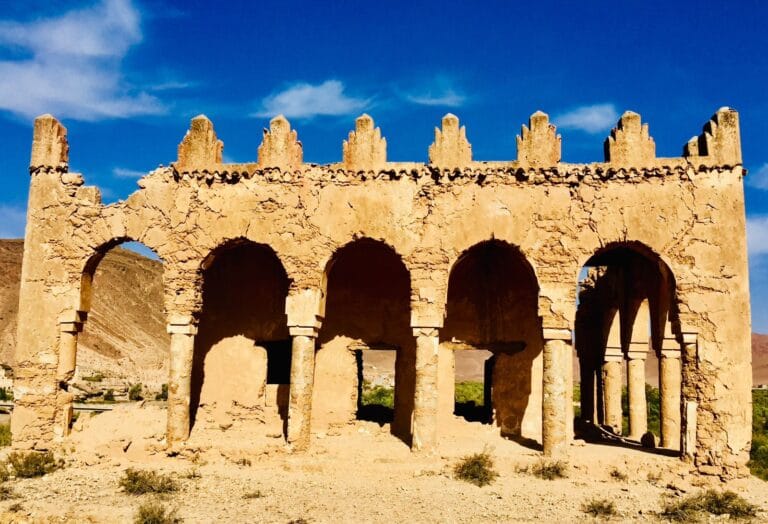
- A kasbah is not “just a fort” — it is a political, defensive, economic, and symbolic system.
- A ksar is not “a village” — it is a collective granary, trade hub, and identity structure.
- An Amazigh agadir is not “a storehouse” — it is the moral heart of a community.
Professional Morocco Tour Guide transform ruins into narratives, architecture into anthropology, and landscapes into cultural texts.
THE HIDDEN PLACES YOU CAN ONLY ACCESS THROUGH A LOCAL GUIDE
Below are exclusive Moroccan destinations where Professional Morocco Tour Guides are essential either for navigation, cultural protocol, or geographical difficulty.
1. High Atlas Hidden Valleys
A guide opens access to:
- Azzaden Valley — Amazigh villages, walnut terraces, secret shrines
- Yagour Plateau — prehistoric rock engravings unknown to most tourists
- Aït Bouguemez (Happy Valley) — agricultural terraces, ancient irrigation
- Imilchil region — sacred lakes Isli & Tislit, marriage traditions
These areas require cultural sensitivity and local negotiation.
2. Anti-Atlas & Souss-Massa Secret Spots
Guides can take travelers to:
- Ait Mansour Gorge — oases hidden between rose-red cliffs
- Tafraoute painted rocks — remote surreal landscapes
- Ameln Valley — home of Aouchtim heritage
- Barrage Mokhtar Soussi region — calm water landscapes, rural Amazigh villages
These areas link your article to your Barrages of Morocco content.
3. Sahara Desert Off-Track Routes
Only a trained Professional Morocco Tour Guide can safely navigate:
- Erg Chigaga dunes — remote Sahara requiring skill
- Nomadic camps near M’Hamid
- Zagora ancient caravan routes
- Oases protected from over-tourism
The desert is dangerous for independent travelers.
4. Rif and Mediterranean Mountains
Guides open paths to:
- Akchour waterfalls
- God’s Bridge
- Talassemtane National Park
- Villages behind Chefchaouen
These trails lack signage and require local orientation.
5. Cultural Hidden Gems
Professional Morocco Tour Guides grant access to domains often invisible to outsiders:
- women’s weaving cooperatives
- private Amazigh granaries
- mountain marriage ceremonies
- traditional olive pressing mills
- argan oil production by families
- storytelling evenings
- herbal medicine specialists
This is essential for your audience who loves cultural depth.
BENEFITS OF HIRING A PROFESSIONAL MOROCCO TOUR GUIDE
1. Safety in Mountains, Desert, and Cities
Safety includes:
- navigation through unmarked paths
- weather prediction in mountains
- avoiding scams in cities
- handling emergencies
- cultural mediation
- avoiding unsafe or restricted zones
Tourism authorities always recommend certified guides.
2. Access to Local Knowledge
Only a certified Professional Morocco Tour Guide can:
- translate Amazigh languages
- interpret symbolism
- explain cultural protocols
- negotiate with locals
- protect visitors from misunderstandings
- preserve sacred boundaries
Morocco is full of cultural codes — Professional Morocco Tour Guides ensure respect and understanding.
3. Enhancing Your Experience
A moroccan tour guide helps transform your trip into a cultural journey by:
- explaining myths, legends, epics
- revealing oral traditions
- providing historical context
- identifying plants, herbs, and wildlife
- teaching Amazigh words
- connecting you with artisans
You gain depth, not just sightseeing.
4. Supporting Local Economies & Cultural Preservation
Hiring a moroccan tour guide:
- supports rural families
- preserves Amazigh knowledge
- ensures sustainable tourism
- promotes cultural protection
- reduces exploitation by mass tourism
Tour guiding is a form of cultural guardianship.
WHAT TO KNOW BEFORE HIRING A GUIDE IN MOROCCO
1. Certification is Mandatory
Look for a Professional Morocco Tour Guide who:
- is nationally licensed
- has an official card
- knows your preferred language
- has knowledge of anthropology, ecology, and regional culture
Avoid unauthorized guides.
2. Understand Regional Specialization with Professional Morocco Tour Guide
Different guides specialize in:
- mountain trekking
- Sahara expeditions
- cultural heritage tours
- Jewish history tours
- Amazigh villages
- photography tours
- agricultural landscapes
- birdwatching and ecology
Choose the right specialization.
3. Important Questions to Ask
- What regions do you specialize in?
- Are you familiar with Amazigh languages?
- Do you have first-aid training?
- What is your policy for emergencies?
- Do you support local communities?
This ensures ethical and safe choices.
Professional Morocco Tour Guide And amazigh heritage
1. moroccan tour guide as Cultural Interpreters
They explain:
- symbols in weaving
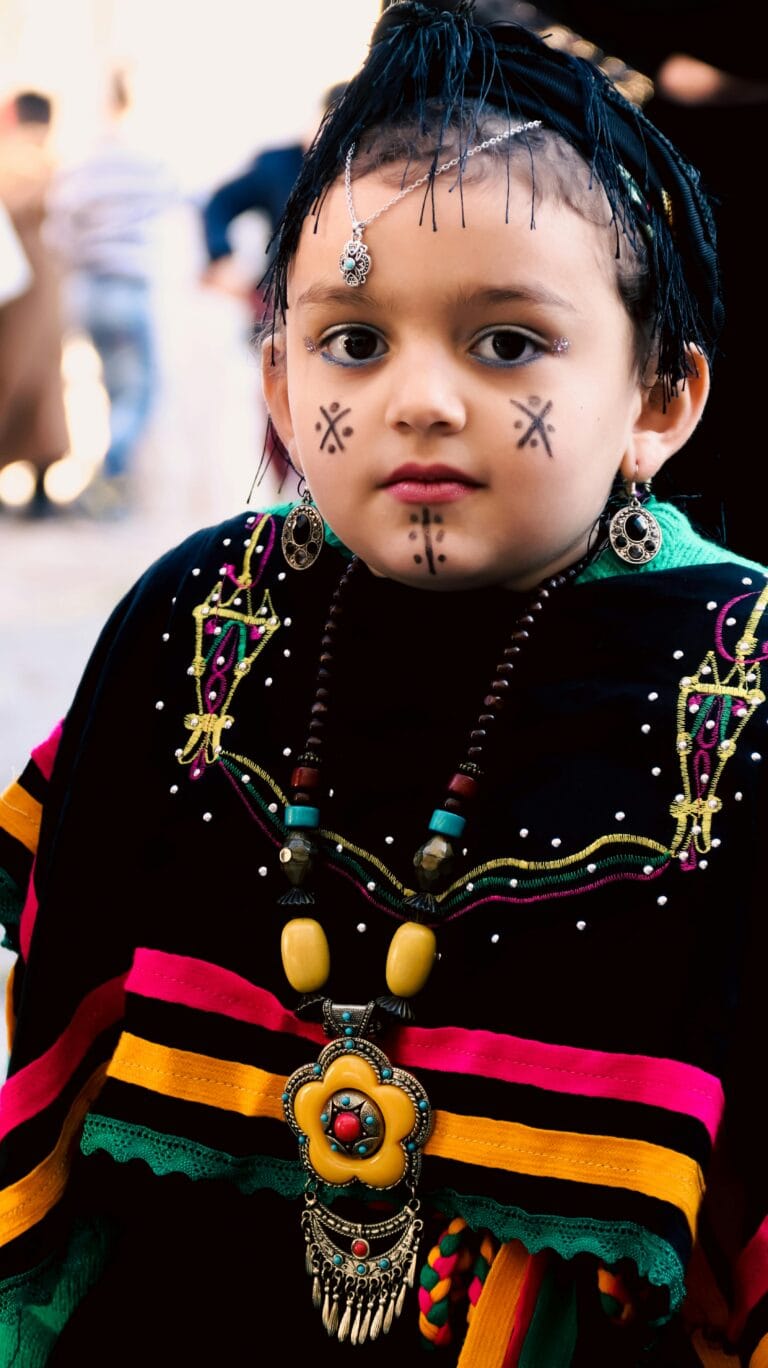
- meanings of Amazigh tattoos
- architecture of granaries
- atlas agriculture and terracing
- marriage rituals and Ahwach
- water-sharing laws
- oral storytelling systems
They preserve intangible heritage.
2. Guides Maintain Cultural Ecosystems
By connecting tourists to artisans, they support:
- cooperatives
- silversmiths
- carpet weavers
- argan producers
- agricultural communities
This protects rural economies.
3. Guides Reduce Cultural Miscommunication
In conservative rural areas, miscommunication can cause unintentional disrespect.
A guide prevents:
- entering private areas
- inappropriate photography
- touching sacred objects
- violating gender boundaries
Guides protect cultural dignity.
WHAT YOU CAN EXPERIENCE WITH A TOUR GUIDE IN MOROCCO’S MOST ICONIC DESTINATIONS
1. Marrakesh: Guided Explorations in the Red City
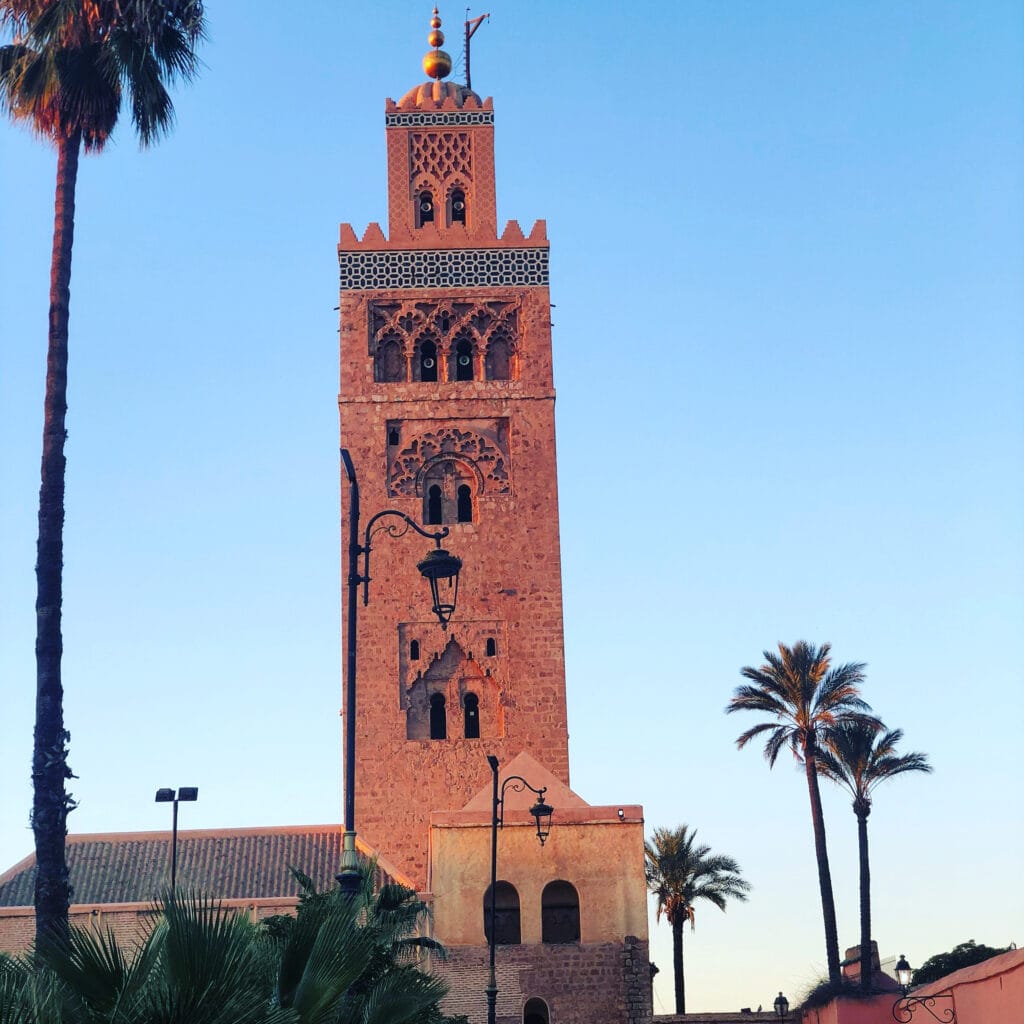
Marrakesh is one of the most intense sensory experiences in Morocco — a city where color, fragrance, architecture, and history merge in a labyrinth of stories. With a professional Marrakesh tour guide, the city transforms from chaotic to meaningful.
1.1. Discovering the Medina’s Hidden Architecture
A guide reveals architectural spaces you would rarely find alone:
- Royal caravanserais (foundouk) used by merchants on ancient trade routes
- Artisan workshops specializing in brasswork, leather, and natural dyes
- Private riads restored using Andalusi and Amazigh aesthetics
- Hidden Saadian-style mausoleums not shown on public maps
Your guide can explain how Amazigh stonework, Andalusian geometry, and Moroccan cedar carving merge into a unique architectural identity.
1.2. Navigating Souks Without Stress
The souks are a maze. A guide helps you:
- avoid tourist traps
- meet master artisans
- buy authentic handmade crafts
- learn how carpets, jewelry, and pottery are produced
- understand symbolism behind different Amazigh motifs
You also learn how to negotiate respectfully and ethically.
1.3. Cultural Experiences Only Guides Facilitate
With a guide, you gain access to:
- traditional Amazigh herbal medicine shops
- demonstrations of natural dyeing
- storytelling sessions around Jemaa el-Fna
- private music evenings with gnaoua or ahwach musicians
These experiences are rarely accessible independently.
1.4. Exploring the Gardens and Palaces
Your guide can interpret the history behind:
- Bahia Palace — a masterpiece of zellij and carved stucco
- El Badi Palace — ruins that reflect Saadian power
- Majorelle & YSL Gardens — botanical and artistic heritage
- Menara and Agdal Gardens — medieval irrigation engineering
Each garden tells a story of water management and landscape design in Morocco.
2. Fes: Craftsmanship, Spirituality, and Thousand-Year Knowledge
Fes is the intellectual and spiritual heart of Morocco — home to the oldest functioning university in the world. With a certified Professional Morocco Tour Guide, Fes opens itself like a manuscript.
2.1. Navigating the Oldest Medina Without Getting Lost
Fez el-Bali has over 9,000 alleys and no cars. A guide ensures:
- safe navigation
- access to artisan quarters
- entrance to hidden religious and educational institutions
- respect of cultural protocols in conservative neighborhoods
2.2. Witnessing Ancient Crafts
Only a guide can get you into:
- the famous tanneries (Chouara) from private terraces
- the coppersmith souk where families have hammered metal for centuries
- bookbinding and calligraphy workshops
- wool spinning and natural dyeing factories
You learn the anthropological and economic significance of these crafts.
2.3. Understanding Islamic and Amazigh Scholarship
With your guide, you can explore:
- Al-Qarawiyyin University — founded by Fatima al-Fihri
- Medieval madrasas such as Bou Inania and Al-Attarine
- Sufi zawiyas and spiritual schools
A guide explains philosophical, spiritual, and scientific contributions.
2.4. Culinary Exploration
A Fes food tour with a guide reveals:
- traditional bissara
- hand-rolled couscous
- aged olives and olive oils
- honey varieties and herbal infusions
- ancient bread ovens hidden in residential areas
The guide introduces you to vendors with real, long-standing reputations.
3. Taroudant: The Peaceful Pearl of the Souss Valley
Taroudant, sometimes called “the grandmother of Marrakesh,” is calmer, more authentic, and deeply Amazigh in character. A tour guide reveals a region rich with rural traditions.
3.1. Exploring the Ancient Walls and Medina
A guide helps you observe:
- the architectural techniques used in the 11th-century ramparts
- differences between Souss Amazigh and Marrakesh building styles
- traditional gates such as Bab el-Kasbah
- souks specialized in silver jewelry, argan products, and pottery
3.2. Visiting Artisans and Rural Cooperatives
Taroudant has a strong tradition of:
- silver-smithing
- leather-work
- thuya wood carving
- weaving
Your guide can take you to authentic artisan families, not tourist factories.
3.3. Experiencing the Surrounding Nature
With a guide, you can explore:
- Barrage Mokhtar Soussi — calm waters, birdwatching, panoramic landscapes
- the Souss plains — argan forests and citrus farms
- the road to Tiout Oasis — palm gardens, irrigation channels, kasbah ruins
These are places you would not know how to reach alone.
3.4. Cultural Immersion
Taroudant is a living center of Amazigh culture. A guide can introduce you to:
- traditional ahwach dance gatherings
- local herbalists
- Berber cheese and bread makers
- ancestral agricultural techniques
Taroudant is ideal for peaceful, authentic anthropology-driven tourism.
4. High Atlas Mountains: The Most Important Place Where a Guide Is Essential
The High Atlas is Morocco’s backbone — a world of summits, valleys, sacred landscapes, and Amazigh villages built on terraces. No traveler should attempt serious High Atlas exploration without a professional guide.
4.1. Reaching Remote Amazigh Villages
Guides unlock access to:
- Azzaden Valley
- Tacheddirt
- Ouaneskra
- Imlil (gateway to Toubkal)
- Ait Bouguemez (Happy Valley)
- Imilchil lakes
Some trails are unmarked and require local knowledge.
4.2. Toubkal and High Peaks
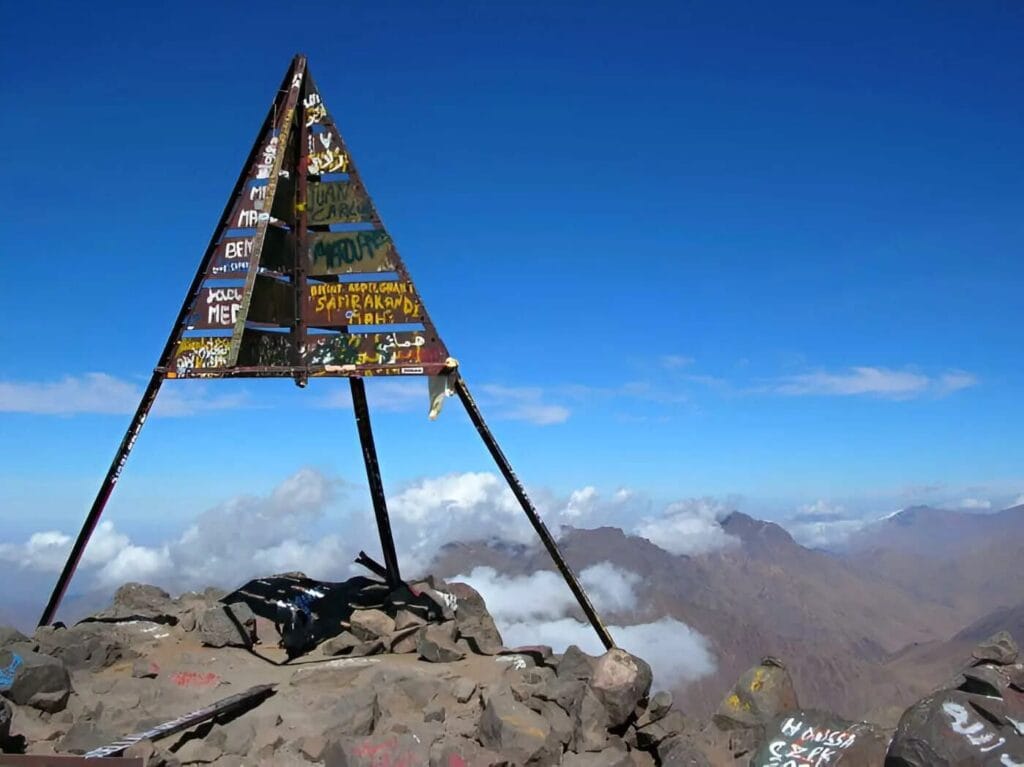
Climbing North Africa’s highest mountain (Jebel Toubkal, 4,167 m) requires a guide for:
- safety
- altitude management
- correct pacing
- navigating snow and ice
- knowledge of the refuge system
Toubkal is dangerous without professional support.
4.3. Understanding Mountain Life & Culture
With your guide, you learn:
- how Amazigh communities organize agriculture
- ancient water-sharing laws (Acer systems)
- architecture adapted to climate
- symbolism of granaries and mosques
- mountain hospitality traditions
The High Atlas is not a playground — it is a living cultural universe.
4.4. Flora, Fauna, and Natural Heritage
A guide can identify:
- medicinal plants
- endemic wildlife
- geological formations
- glacial valleys
This enriches your ecological understanding.
4.5. Hidden Natural Attractions
Only reachable with guides:
- Ouzoud waterfalls
- Ourika Valley (beyond the tourist area)
- Setti Fatma high trails
- Yagour Plateau rock art
- alpine lakes such as Ifni
Your guide ensures safety and cultural respect.
CONCLUSION — A TOUR GUIDE IS THE KEY TO ACCESSING THE REAL MOROCCO
Visit Morocco or Traveling in Morocco without a guide is like reading only the cover of a book filled with poetry, memory, and ancestral knowledge. A Professional Morocco Tour Guide transforms your experience from touristic to meaningful. They unlock hidden places, protect you from risks, decode cultural complexity, and allow you to connect authentically with Amazigh and Moroccan heritage.
If Morocco is a vast atlas of stories, the guide is the one who reads it for you.