
The Atlas Mountains: A Complete Guide to Morocco’s Majestic Mountain Range
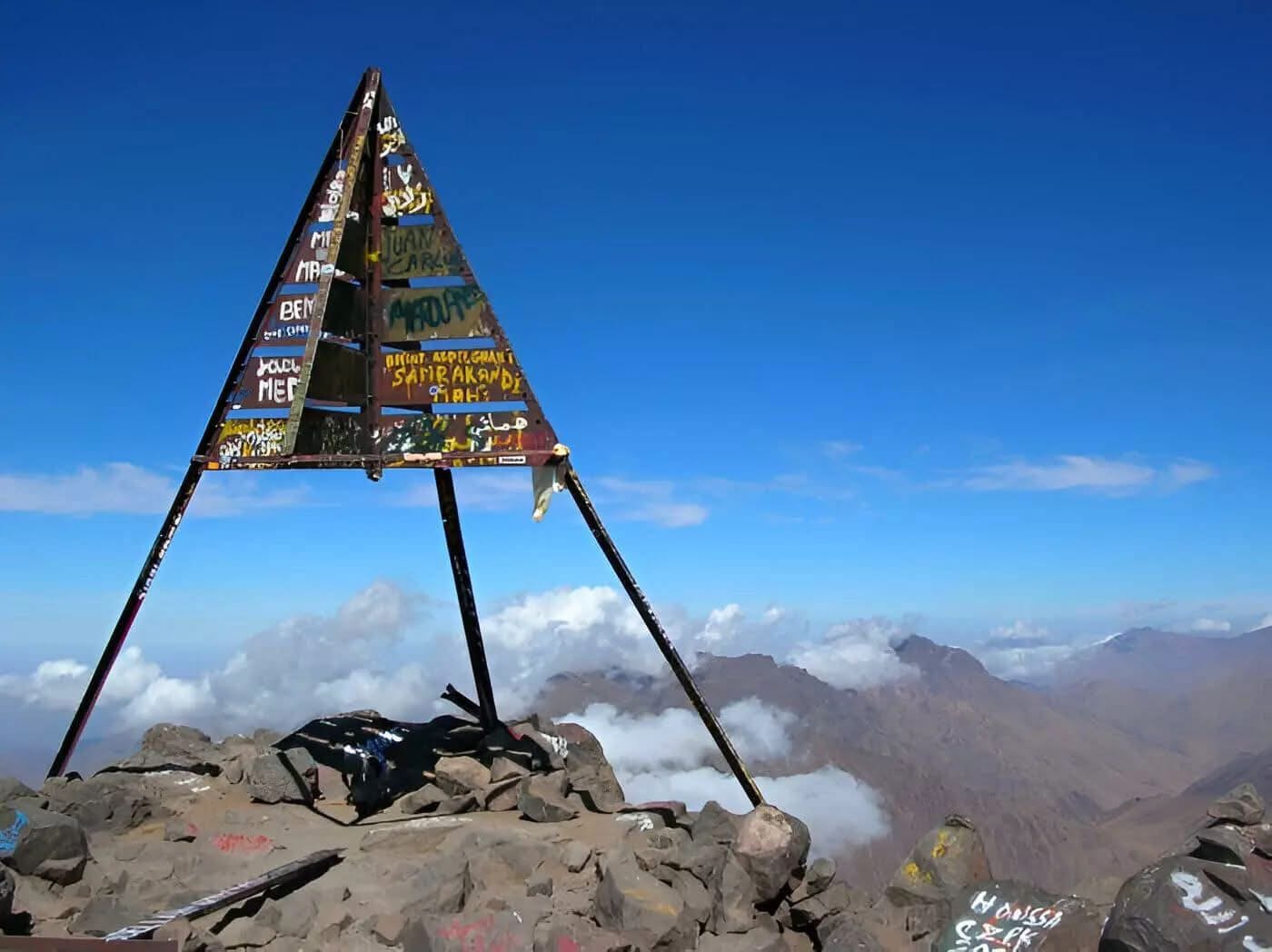
The Atlas Mountains – The Beating Heart of Morocco’s Landscape and Identity
When you first lay your eyes upon the Atlas Mountains, stretching endlessly across Morocco like the backbone of the earth, you sense something far deeper than geology. These are not mere mountains — they are living witnesses to centuries of Amazigh resilience, culture, and harmony with nature. Rising between the Atlantic and the Sahara, the Atlas range has shaped Morocco’s environment, its traditions, and its spirit.
For thousands of years, the Amazigh (Berber) tribes have inhabited these slopes, carving out villages from stone and clay, weaving their lives into the rhythm of the valleys and peaks. The Atlas is their protector, provider, and spiritual guide — a place where nature, culture, and craftsmanship merge into a tapestry of identity.
Table of Contents
Why the Atlas Mountains Are One of Africa’s Greatest Natural Wonders
Stretching for more than 2,500 kilometers across Morocco, Algeria, and Tunisia, the Atlas Mountains form one of North Africa’s most remarkable mountain systems. In Morocco, they shape the country’s climate, supply water to major river basins, support extraordinary biodiversity, and preserve centuries-old Amazigh traditions that continue to thrive in remote valleys.
What makes the Atlas Mountains truly exceptional is their remarkable diversity. Snow-covered peaks rise above 4,000 meters in the High Atlas, while cedar forests flourish in the Middle Atlas and ancient granite formations dominate the Anti-Atlas. Within a single journey, travelers can experience alpine landscapes, fertile valleys, desert gateways, traditional villages, and vibrant local markets, making the Atlas one of the most varied mountain destinations in Africa.
The Geography and Structure of the Atlas Mountains
The Atlas Mountains are divided into three main chains — the High Atlas, the Middle Atlas, and the Anti-Atlas (Lower Atlas) — each with its unique climate, vegetation, and cultural expressions.
The High Atlas – The Roof of North Africa
Known as “Idraren Draren” (“Mountains of Mountains”) by the Amazigh, the High Atlas runs diagonally across central Morocco, forming the highest peaks in North Africa.
- Highest Peak: Mount Toubkal (4,167 meters / 13,671 ft) – the most famous summit in Morocco and one of the world’s great trekking destinations.
- Landscape: Dramatic valleys, glacial cirques, and snow-capped ridges that feed life-giving rivers like the Tensift and Draa.
- Villages: Aït Benhaddou, Imlil, and Tacheddirt — each a living museum of Amazigh stone architecture.
Toubkal National Park is the crown jewel of the High Atlas — a realm of rough beauty and serenity. Hiking here isn’t just a sport; it’s a pilgrimage through time, tracing shepherd trails that have existed since antiquity.
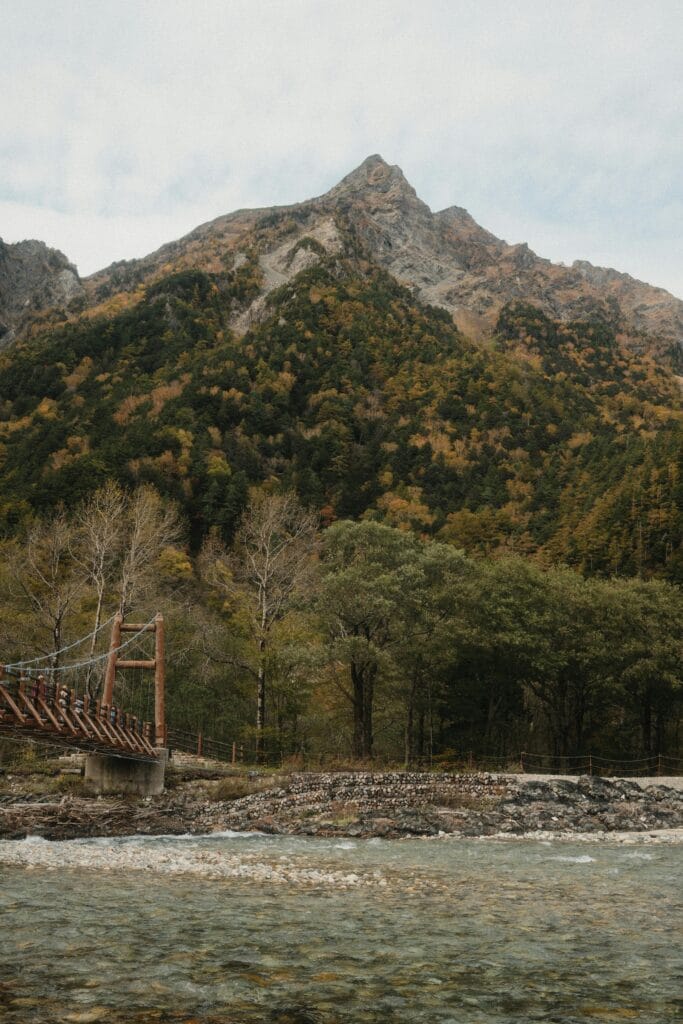
The Middle Atlas – The Land of Cedar and Water
Stretching between Fez and Beni Mellal, the Middle Atlas is a realm of rolling hills, lakes, and cedar forests — a gentler landscape but rich in biodiversity and Amazigh life.
- Highest Peak: Jbel Bou Naceur (3,340 meters).
- Nature: Home to the Barbary macaque, ancient cedar groves, and clear mountain lakes such as Lake Aguelmame Azegza and Dayet Aoua.
- Culture: This is the heartland of the Zayanes and Aït Seghrouchen tribes, known for their traditional woven rugs, musical instruments, and vibrant markets.
The Middle Atlas has long been a crossroads between Morocco’s northern cities and its southern valleys. Its weaving traditions, agricultural rhythms, and spiritual connection to water make it a landscape of quiet endurance.
The Anti-Atlas – The Ancient Stone Spine of the South
Older than the High Atlas, the Anti-Atlas (Lower Atlas) stretches from the Atlantic coast near Tafraoute toward the Sahara.
- Highest Peak: Jbel Sirwa (3,304 meters), an extinct volcano standing between the High and Anti-Atlas ranges.
- Landscape: Pink granite formations, deep canyons, and palm-filled oases.
- Cultural Importance: Home to the Aït Atta and Aït Ouaouzguite tribes, whose art and silver jewelry are legendary.
Here, architecture and geology become one — houses are carved from rock, and terraces step down the mountainsides like ancient amphitheaters of earth.
Best Places to Visit in the Atlas Mountain
If visitors have limited time, these destinations offer some of the finest experiences in the Atlas Mountains.
- Jebel Toubkal – North Africa’s highest mountain and Morocco’s premier trekking destination.
- Imlil – The main gateway for Toubkal treks and Amazigh village experiences.
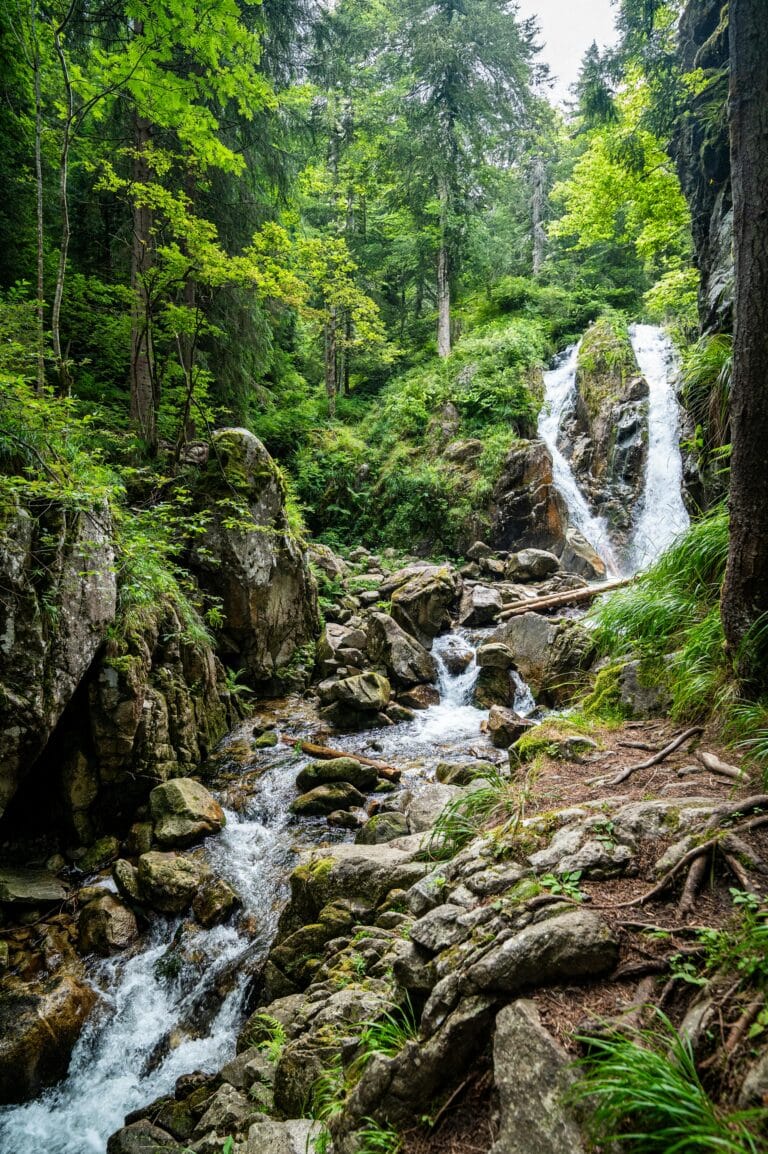
- Ourika Valley – A scenic valley known for rivers, waterfalls, and traditional villages.
- Aït Bouguemez – Often called the “Happy Valley,” famous for its landscapes and agriculture.
- Ouzoud Waterfalls – One of Morocco’s most spectacular natural attractions.
- Tafraoute – Renowned for its pink granite formations in the Anti-Atlas.
- Ameln Valley – A peaceful destination combining hiking, traditional architecture, and mountain scenery.
- Iwziwn – A historic Amazigh village located between the High Atlas and Anti-Atlas, offering visitors an authentic introduction to traditional mountain life, architecture, agriculture, and cultural heritage.
High Atlas vs. Middle Atlas vs. Anti-Atlas
| Feature | High Atlas | Middle Atlas | Anti-Atlas |
|---|---|---|---|
| Highest Peak | Jebel Toubkal | Jebel Bou Naceur | Jebel Siroua |
| Maximum Elevation | 4,167 m | 3,340 m | About 3,300 m |
| Landscape | Snow-capped peaks and deep valleys | Cedar forests, lakes, and plateaus | Rocky mountains and granite formations |
| Climate | Alpine | Mediterranean mountain climate | Semi-arid |
| Best Activities | Trekking, climbing, hiking | Nature walks, wildlife, forests | Geological tourism, photography |
| Famous Destinations | Imlil, Toubkal, Lake Ifni | Ifrane, Azrou | Tafraoute, Ameln Valley |
| Cultural Heritage | Traditional Amazigh villages | Forest communities | Ancient Amazigh settlements |
Wildlife and Biodiversity of the Atlas Mountain
The Atlas Mountains are among Morocco’s richest ecological regions, supporting an extraordinary variety of plant and animal life across changing elevations and climates. Cedar forests, oak woodlands, alpine meadows, rocky cliffs, and seasonal rivers provide habitats for hundreds of species.
Visitors may encounter Barbary macaques in the Middle Atlas, golden eagles soaring above mountain ridges, reptiles adapted to rocky terrain, and diverse wildflowers that bloom after spring rains. Native trees include Atlas cedar, juniper, holm oak, walnut, almond, and olive, while aromatic herbs such as thyme, rosemary, sage, and lavender have long been used in Amazigh traditional medicine and cuisine.
The protection of these ecosystems has become increasingly important as climate change, deforestation, and unsustainable resource use place additional pressure on fragile mountain environments.
The Amazigh People – Keepers of the Atlas Spirit
Life Shaped by Altitude
Living in the Atlas means adapting to both its blessings and challenges. The Amazigh communities have mastered self-sufficiency — cultivating barley, olives, almonds, and figs on narrow terraces; raising goats and sheep that graze on the high slopes; and weaving wool into blankets and rugs that warm their stone homes.
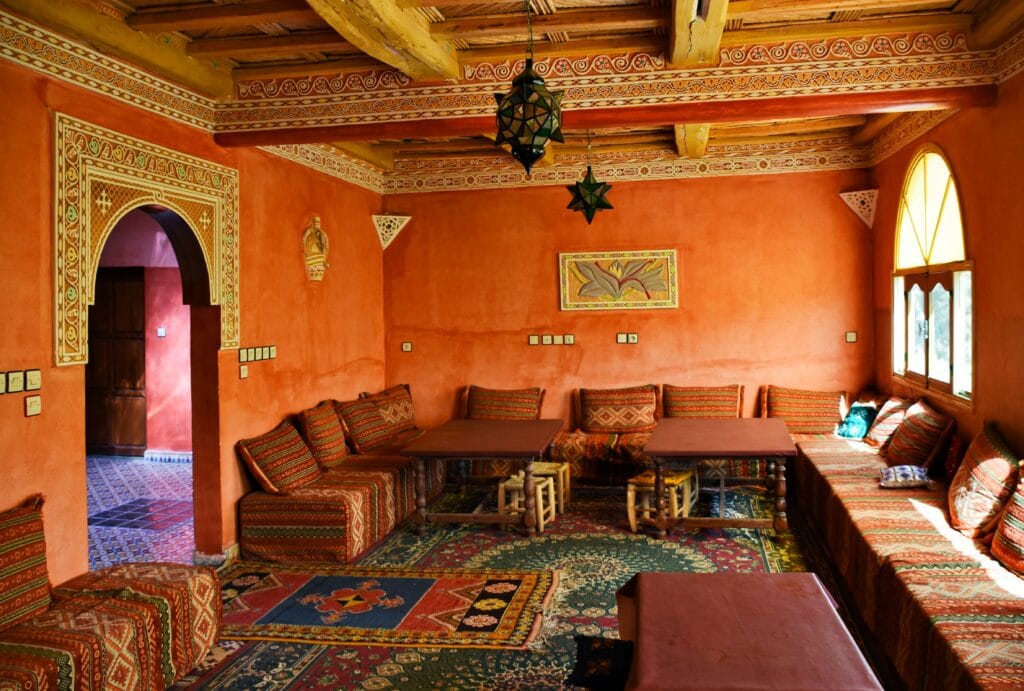
Their architecture — kasbahs, agadirs (granaries), and houses built of clay and stone — reflects centuries of ecological intelligence. Every village is built with respect for wind, sun, and water, blending seamlessly into the mountain.
Architecture of the Atlas – Earth as the Eternal Builder
In the Atlas, architecture is not an act of dominance over nature but an expression of harmony with it.
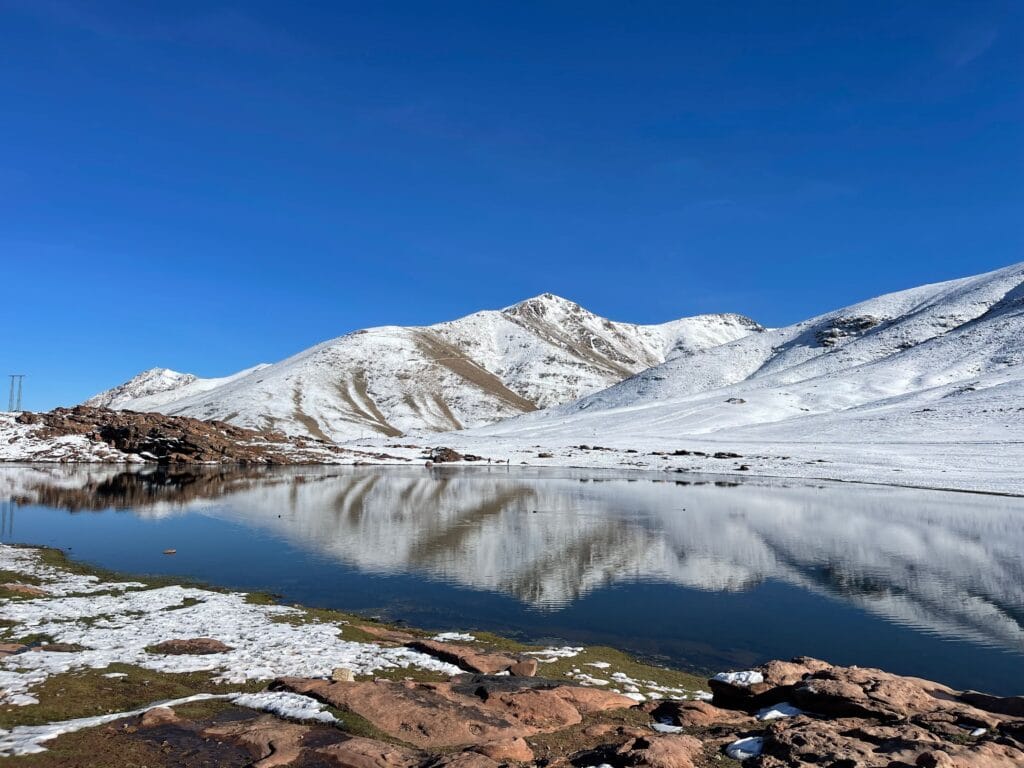
Building Materials – Clay, Stone, and Timber
- Clay provides insulation and breathability.
- Stone ensures durability and protection against mountain storms.
- Cedar wood, sourced from the Middle Atlas, strengthens ceilings and adds aroma to homes.
These materials are not imported — they are born from the very land beneath the builders’ feet, symbolizing the intimate bond between people and earth.
Village Structure and Social Design
A typical Amazigh village (ighrem) is organized around collective values.
- Houses cluster tightly to conserve warmth.
- The mosque, agadir, and public square form the heart of communal life.
- Water channels (seguias) and mills sustain agriculture through shared cooperation.
Each structure tells a story — a living testimony to solidarity, ingenuity, and faith.
Weaving and Craftsmanship – Threads of Identity
Weaving is among the oldest artistic traditions in the Atlas. In high-altitude villages, women spin and dye wool to create kilims and rugs adorned with geometric Amazigh symbols representing fertility, protection, and harmony.
- High Atlas Carpets: Known for strong colors — reds and oranges symbolizing vitality.
- Middle Atlas Carpets: Softer patterns, emphasizing diamond motifs and balance.
- Anti-Atlas Rugs: Incorporate silver threadwork and minimalist earth tones.
Each rug is a language woven by women, recording their emotions, heritage, and prayers in a code of lines and colors.
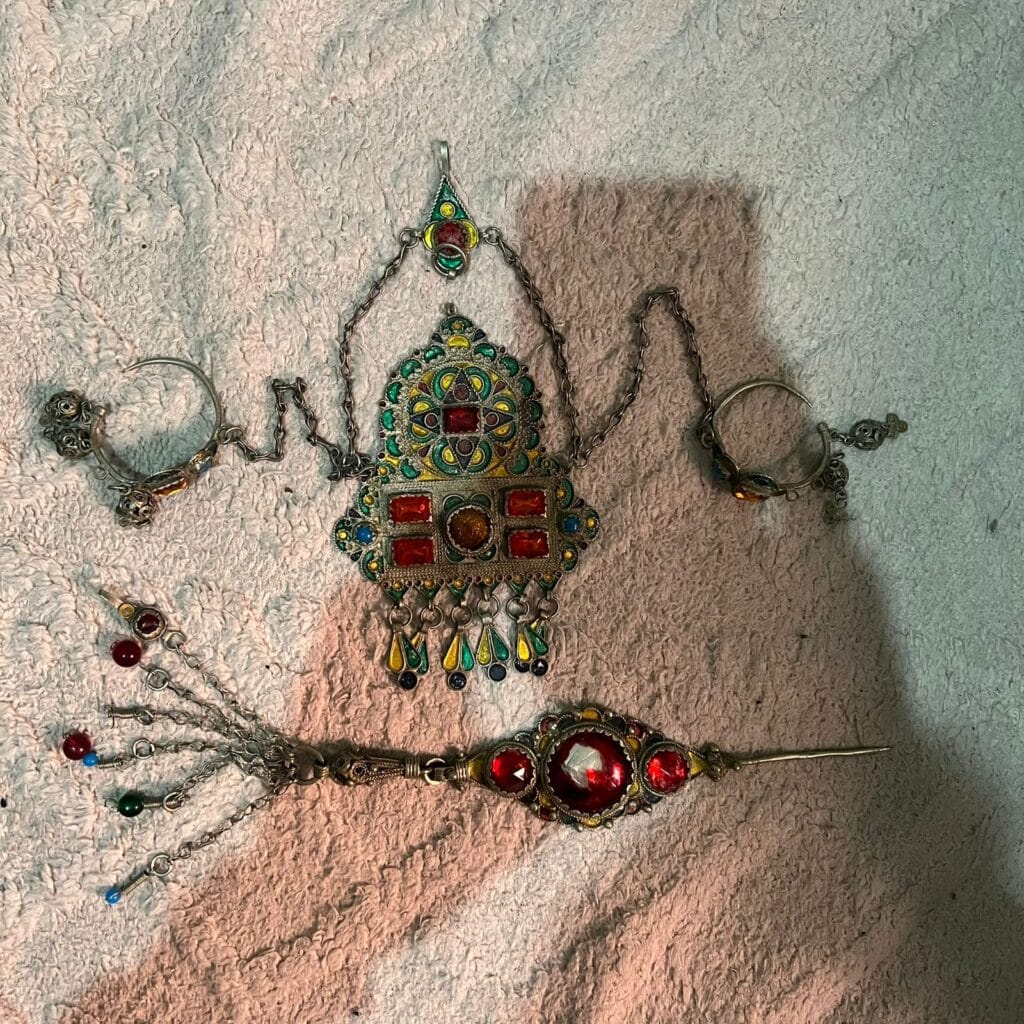
Jewelry and Symbolism – Silver as Spiritual Armor
Among Amazigh women of the Atlas, jewelry is never mere decoration.
- Silver is believed to protect against evil spirits.
- Coral and amber carry fertility and vitality.
- Triangular and diamond patterns echo the sacred geometry of Amazigh symbolism.
Necklaces, fibulae (tizerzai), and bracelets are handcrafted by artisans who inherit centuries-old skills. The symbolism links the wearer to ancestors and to the protective forces of nature itself.
Agriculture of the Atlas – Sustaining Life from the Mountains
Despite harsh terrain, Amazigh farmers have developed ingenious systems of terracing, irrigation, and crop rotation.
Main crops include:
- Barley and wheat, grown on narrow terraces.
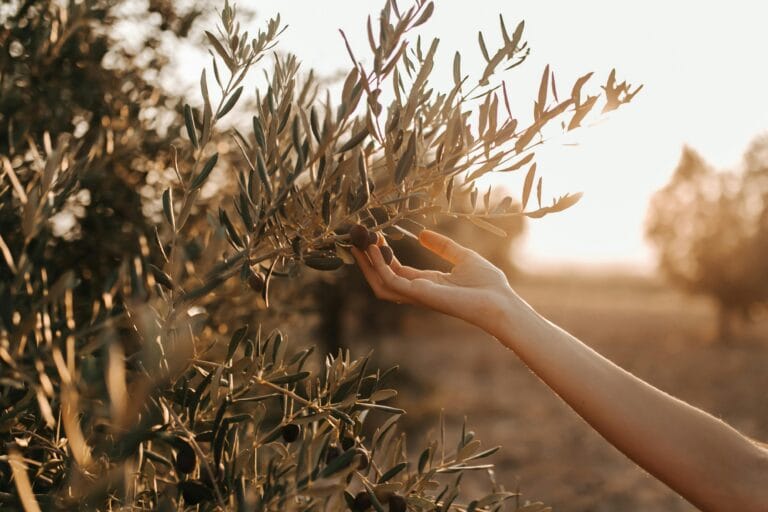
- Olives and almonds, key to local diets and economy.
- Saffron, especially in the Sirwa region — “the red gold of Morocco.”
Seasonal festivals celebrate sowing and harvest, connecting agriculture to the spiritual rhythm of the land.
Hiking and Ecotourism – Walking the Ancient Trails
The Atlas is now one of Africa’s top destinations for eco-travel and cultural trekking.
- High Atlas: Mount Toubkal trek (from Imlil to the summit) is the ultimate experience.
- Middle Atlas: Hiking through cedar forests and lake circuits near Azrou and Ifrane.
- Anti-Atlas: Tafraoute and the Ameln Valley offer surreal granite landscapes and prehistoric rock art.
These treks are more than physical challenges — they’re journeys into living heritage, where each step unveils a new layer of Amazigh life.
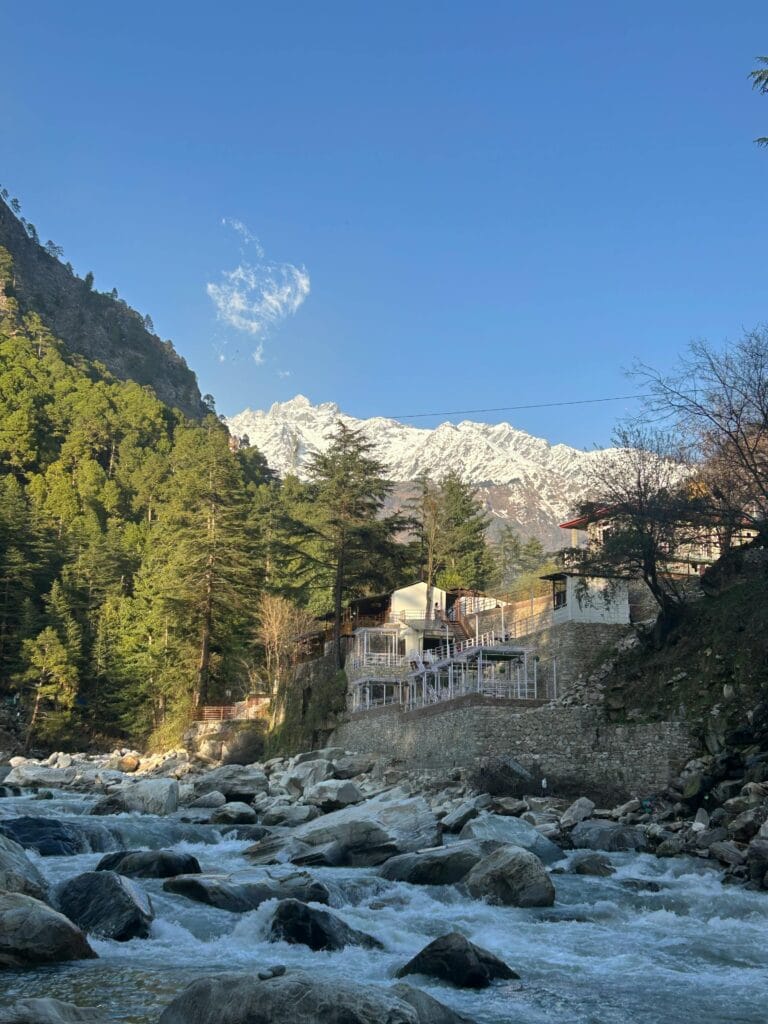
Practical Travel Tips for Visiting the Atlas Mountain
Planning ahead helps visitors enjoy a safer and more rewarding mountain experience.
- Wear sturdy hiking boots with good grip.
- Carry enough drinking water for each day’s hike.
- Dress in layers because temperatures change rapidly with altitude.
- Apply sunscreen even during cooler months.
- Bring cash when visiting remote villages.
- Respect local customs and ask permission before photographing people.
- Hire certified local guides for longer or high-altitude treks.
- Leave no trace by taking all waste with you.
Best Time to Visit the Atlas Mountains
The Atlas Mountains can be visited throughout the year, but each season offers a unique experience shaped by changing landscapes, temperatures, and outdoor activities. Choosing the right time depends on whether your interests lie in hiking, photography, cultural exploration, or winter sports.
Spring (March to May)
Spring is widely considered the best season to visit the Atlas Mountain. Melting snow feeds rivers and waterfalls, valleys are covered with wildflowers, and temperatures remain pleasantly mild. Hiking conditions are excellent, orchards blossom across many Amazigh villages, and the countryside displays its most vibrant colors.
Summer (June to August)
While many parts of Morocco experience intense heat during summer, the higher elevations of the High Atlas remain relatively comfortable. Early morning hikes are recommended to avoid the afternoon sun. Summer is an ideal season for multi-day trekking, mountain camping, and escaping the hotter lowland regions.
Autumn (September to November)
Autumn offers clear skies, moderate temperatures, and beautiful golden landscapes. Harvest season provides visitors with opportunities to observe traditional Amazigh agricultural practices, while fewer tourists create a quieter atmosphere for hiking and photography.
Winter (December to February)
Winter transforms the High Atlas into a spectacular alpine landscape covered with snow. Ski resorts such as Oukaïmeden attract winter sports enthusiasts, while experienced mountaineers continue to explore high-altitude routes. Travelers should be prepared for cold temperatures, snowfall, and occasional road closures in mountainous areas.
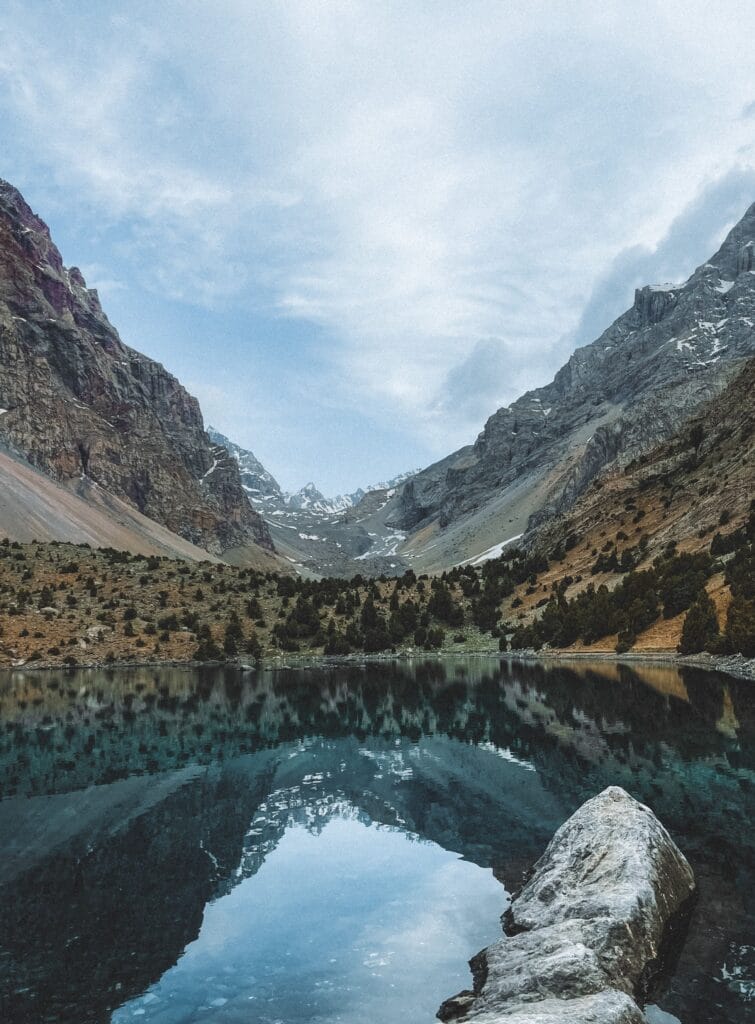
What to Pack for a Trip to the Atlas Mountain
Proper preparation can make the difference between a comfortable adventure and a challenging experience. Weather conditions in the Atlas Mountain can change rapidly, particularly at higher elevations, making versatile equipment essential.
Essential Clothing
- Lightweight breathable clothing
- Warm fleece or insulated jacket
- Waterproof rain jacket
- Hiking trousers
- Thermal layers for colder months
- Hat for sun protection
- Warm hat for high elevations
- Gloves during winter
- Extra socks
Hiking Equipment
- Comfortable hiking boots with good ankle support
- Trekking poles
- Day backpack (20–35 liters)
- Reusable water bottles or hydration system
- Portable water filter (optional)
- Headlamp with spare batteries
Health and Safety
- Sunscreen (high SPF)
- Sunglasses with UV protection
- Basic first-aid kit
- Personal medications
- Lip balm
- Insect repellent
- Emergency whistle
- Offline maps or GPS device
Photography Gear
- Camera
- Spare batteries
- Memory cards
- Lightweight tripod
- Power bank
Cultural Essentials
- Cash for local markets
- Small notebook
- Reusable shopping bag
- Respectful clothing when visiting villages
- Phrasebook or translation app
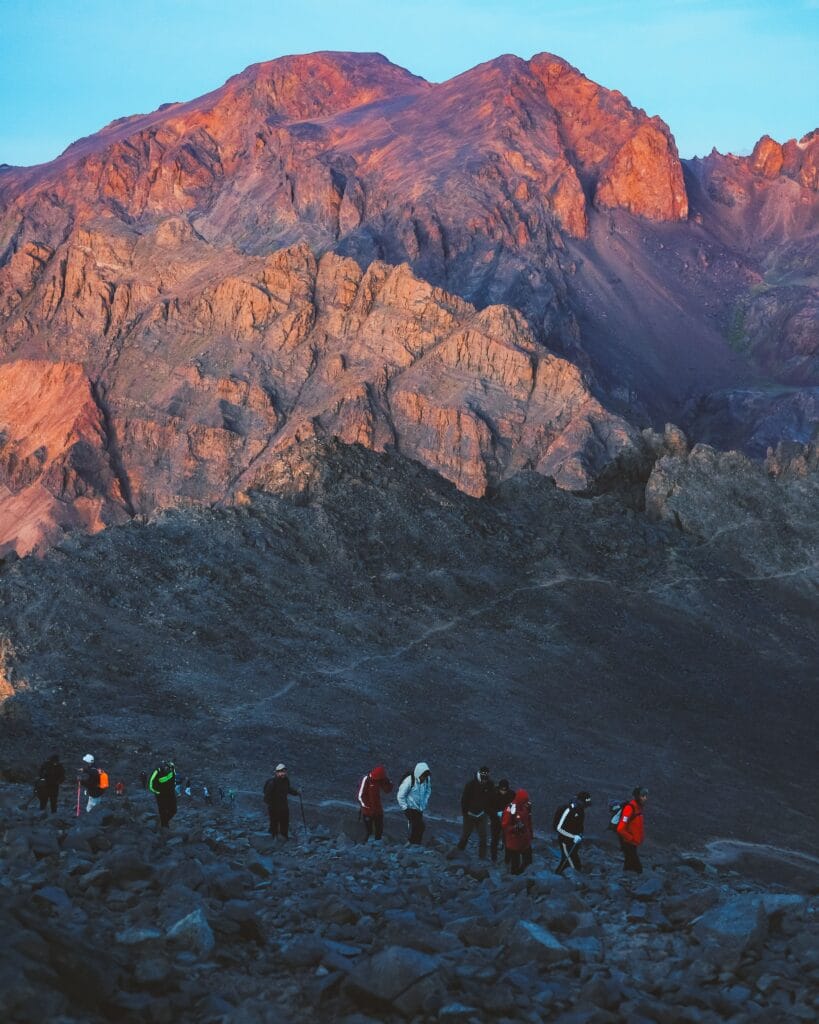
Hiking Difficulty Guide
The Atlas Mountains offer routes suitable for every level of experience, from gentle village walks to challenging alpine expeditions.
| Route | Difficulty | Hiking Time | Suitable For |
|---|---|---|---|
| Imlil Village Walk | Easy | 2–3 hours | Families and beginners |
| Ourika Valley Trails | Easy | 2–4 hours | Casual hikers |
| Aït Bouguemez Valley | Moderate | Half day to full day | Nature lovers |
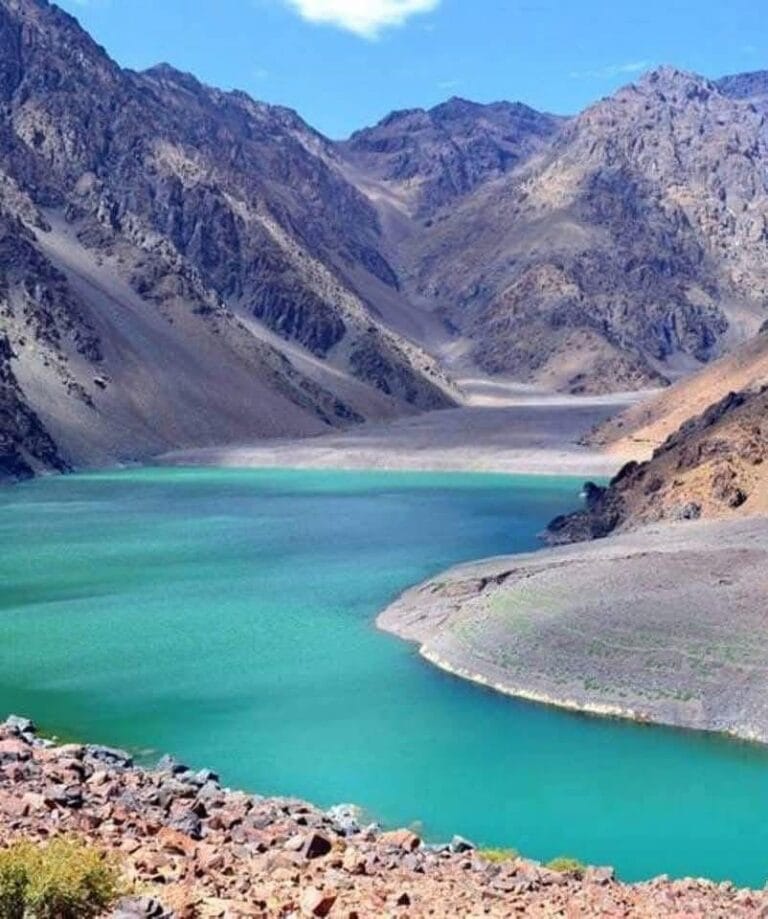
| Lake Ifni Trek | Moderate to Difficult | 5–7 hours | Experienced hikers |
| Tizi n’Ouanoums Pass | Difficult | 7–9 hours | Advanced trekkers |
| Mount Toubkal Summit | Difficult | 2–3 days | Experienced hikers with good fitness |
The Sacred Connection Between Nature and Spirit
For the Amazigh, mountains are sacred guardians. Peaks like Toubkal, Mgoun, and Sirwa are not just geological features; they are spiritual entities symbolizing endurance, purity, and divine presence.
Many local legends link these mountains to saints (marabouts) whose shrines dot the landscape. Pilgrims visit them to seek blessings, rain, or healing. Nature and faith are intertwined — every river, tree, and rock carries memory and meaning.
The Atlas Mountain in Modern Morocco
Today, the Atlas remains a vital artery of Morocco’s soul — balancing tradition and transformation. Modern roads and tourism bring new opportunities, but they also challenge the delicate harmony of rural life.
Yet the Amazigh language (Tamazight), recognized constitutionally, is witnessing a renaissance. Artisans are reviving ancient crafts, and sustainable tourism is helping protect fragile ecosystems while celebrating the wisdom of mountain communities.
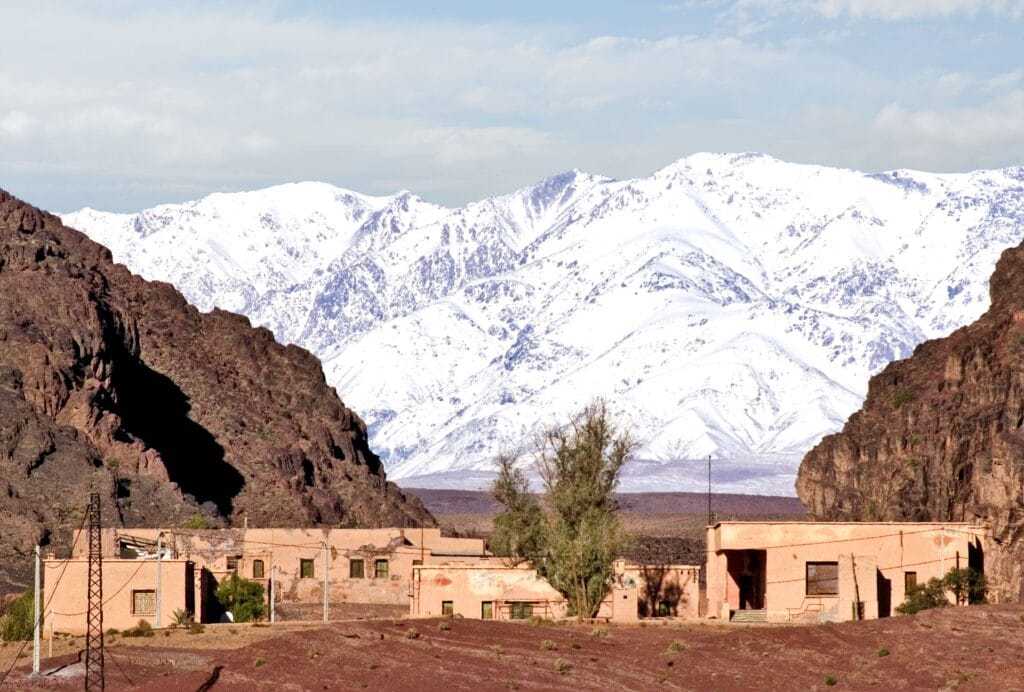
Suggested Atlas Mountains Itineraries
One-Day Trip
Ideal for visitors staying in Marrakesh or Taroudant, combining a scenic valley drive, a traditional Amazigh village, and a short mountain hike.
Three-Day Adventure
Explore Imlil, hike to mountain passes, visit local villages, and experience Amazigh hospitality in family-run guesthouses.
Five-Day Expedition
Combine Jebel Toubkal, remote valleys, traditional architecture, mountain agriculture, and cultural experiences while discovering different regions of the High Atlas.
How to Reach the Atlas Mountain
- High Atlas: Reach from Marrakech (via Imlil or Ourika Valley). Roads are accessible year-round, with guided treks to Toubkal.
- Middle Atlas: From Fez or Meknes via Azrou or Ifrane — ideal for nature lovers.
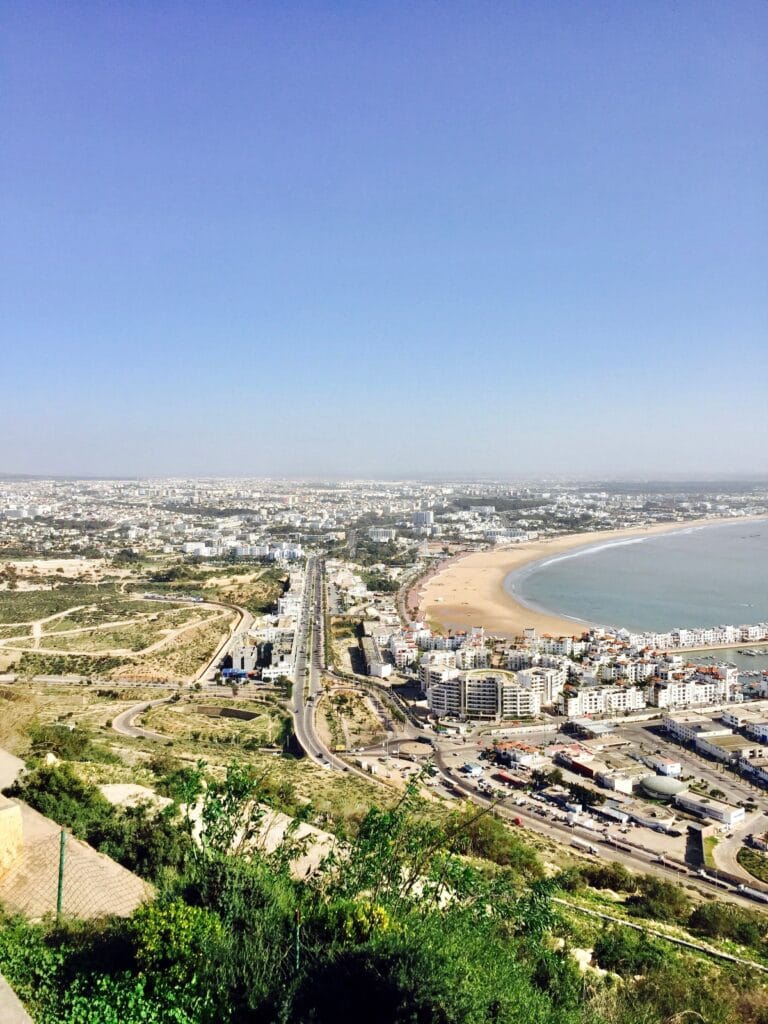
- Anti-Atlas: From Agadir or Taroudant toward Tafraoute — a road trip through pink granite valleys.
Each route offers a unique sensory experience — shifting from red rock to green forest to snow-white peaks, echoing Morocco’s incredible diversity.
Responsible Tourism in the Atlas Mountain
The Atlas Mountains remain home to communities whose traditions have developed over centuries in close harmony with nature. Responsible travel helps preserve both cultural heritage and fragile ecosystems.
Visitors can contribute by supporting locally owned guesthouses, hiring certified mountain guides, purchasing handmade crafts directly from artisans, conserving water, respecting local customs, remaining on established hiking trails, and minimizing plastic waste. Responsible tourism not only protects the mountains but also strengthens the livelihoods of Amazigh communities who continue to safeguard this remarkable landscape.
Preserving the Atlas Heritage
The Atlas faces threats from climate change, overgrazing, and modernization. Sustainable practices — eco-lodges, reforestation, and heritage conservation — are vital. Organizations and local cooperatives are promoting eco-friendly crafts, organic argan and saffron production, and community-based tourism to safeguard both nature and culture.
Did You Know? – Fascinating Facts About the Atlas Mountains
- 🏔️ 1. The Atlas Mountains extend for more than 2,500 kilometers, stretching across Morocco, Algeria, and Tunisia.
- 🌍 2. Jebel Toubkal is the highest mountain in North Africa, rising to 4,167 meters (13,671 feet) above sea level.
- 🌳 3. The Middle Atlas contains one of the world’s most important remaining forests of the endangered Atlas cedar.
- 🐒 4. The Atlas Mountains are home to the endangered Barbary macaque, Africa’s only native wild monkey.
- 🏡 5. Many Amazigh villages have preserved architectural traditions that are several centuries old.
- 💧 6. Most of Morocco’s major rivers originate in the Atlas Mountains, making them essential for the country’s water security.
- 🥾 7. Ancient caravan routes crossing the Atlas Mountains connected the Sahara Desert with imperial cities such as Marrakesh and Fez.
- 🌸 8. During spring, thousands of wildflowers bloom across mountain valleys, creating spectacular alpine landscapes.
- 🌌 9. Remote mountain areas experience very little light pollution, making the Atlas one of Morocco’s best destinations for stargazing.
- ⛰️ 10. The name “Atlas” comes from Greek mythology, although the mountains have been home to Amazigh communities for thousands of years and are known by traditional Amazigh names in different regions.
FAQs About The Atlas Mountains
1. Where are the Atlas Mountains located?
The Atlas Mountains stretch across northwestern Africa, extending approximately 2,500 kilometers through Morocco, Algeria, and Tunisia. The Moroccan section is the largest and most visited, encompassing the High Atlas, Middle Atlas, and Anti-Atlas mountain ranges. These mountains form a natural barrier between the Atlantic coast, the Mediterranean region, and the Sahara Desert, creating a remarkable diversity of landscapes and climates.
2. Why are the Atlas Mountains famous?
The Atlas Mountains are famous for their dramatic scenery, towering peaks, traditional Amazigh villages, rich biodiversity, and centuries-old cultural heritage. They are home to North Africa’s highest mountain, Jebel Toubkal, as well as spectacular valleys, waterfalls, forests, and ancient caravan routes. The region is also celebrated for hiking, trekking, mountain climbing, and authentic cultural experiences.
3. What are the three main ranges of the Atlas Mountains?
The Atlas Mountains are generally divided into three principal ranges in Morocco:
The High Atlas, known for its snow-capped peaks and alpine landscapes.
The Middle Atlas, famous for cedar forests, lakes, and abundant wildlife.
The Anti-Atlas, characterized by ancient rock formations, arid valleys, and distinctive Amazigh architecture.
Each range has its own unique geography, ecosystems, and cultural traditions.
4. What is the highest mountain in the Atlas Mountains?
The highest peak is Jebel Toubkal, which rises to 4,167 meters (13,671 feet) above sea level in the High Atlas Mountains. It is the highest mountain in North Africa and attracts thousands of trekkers each year seeking panoramic views and a rewarding mountaineering experience.
5. Who lives in the Atlas Mountain?
The Atlas Mountains are home primarily to Amazigh (Berber) communities who have inhabited these mountains for thousands of years. Many villages continue to preserve traditional languages, architecture, agricultural practices, music, crafts, and customs that reflect a deep connection with the mountain environment.
6. When is the best time to visit the Atlas Mountain?
The best time to visit depends on your interests. Spring (March to May) and autumn (September to November) offer mild temperatures, colorful landscapes, and ideal hiking conditions. Summer is excellent for high-altitude trekking, while winter attracts visitors interested in snow-covered scenery and winter sports in higher elevations.
7. Are the Atlas Mountains suitable for beginner hikers?
Yes. The Atlas Mountains offer trails for all skill levels. Beginners can enjoy gentle walks through valleys such as Ourika or Aït Bouguemez, while experienced hikers may choose more demanding routes to Lake Ifni or the summit of Jebel Toubkal.
8. What wildlife can be found in the Atlas Mountain?
The Atlas Mountains support remarkable biodiversity. Visitors may encounter Barbary macaques, golden eagles, foxes, reptiles, numerous bird species, and diverse alpine plants. Cedar forests, juniper woodlands, mountain meadows, and rocky cliffs create habitats for many endemic and migratory species.
9. What activities can visitors enjoy in the Atlas Mountain?
The region offers hiking, trekking, mountain climbing, camping, birdwatching, photography, cycling, cultural tourism, village visits, river walks, rock climbing, winter sports, and opportunities to experience Amazigh traditions, cuisine, and hospitality.
10. Can you visit the Atlas Mountain without a guide?
Many popular valleys and villages can be explored independently. However, for high-altitude trekking, remote mountain routes, or multi-day expeditions, hiring a qualified local guide is highly recommended to improve safety and enrich the cultural experience.
11. How many days should you spend in the Atlas Mountain?
A one-day excursion provides a brief introduction, but spending three to five days allows visitors to experience mountain villages, scenic valleys, traditional culture, and hiking trails more fully. Longer itineraries are ideal for serious trekkers exploring multiple regions.
12. What should you pack for the Atlas Mountains?
Visitors should bring comfortable hiking boots, layered clothing, waterproof outerwear, sunscreen, sunglasses, sufficient drinking water, snacks, a first-aid kit, a camera, and warm clothing for higher elevations where temperatures can change quickly.
13. Is the Atlas Mountain safe for tourists?
Yes. The Atlas Mountains are generally considered a safe destination for visitors. As with any mountain environment, travelers should monitor weather conditions, remain on marked trails, respect local advice, and prepare adequately for changing temperatures and terrain.
14. What is the cultural importance of the Atlas Mountain?
For Amazigh communities, the Atlas Mountains represent far more than a geographical landscape. They are places of identity, memory, spirituality, agriculture, craftsmanship, and oral tradition. Generations have adapted their architecture, farming techniques, and cultural practices to the mountain environment, creating one of Morocco’s richest cultural landscapes.
15. Which valleys are the most beautiful in the Atlas Mountain?
Among the most celebrated valleys are Ourika Valley, Aït Bouguemez (the Happy Valley), Dades Valley, Ziz Valley, Aït Boulli Valley, and the Ameln Valley. Each offers distinctive scenery, traditional villages, and opportunities for hiking and cultural exploration.
16. Can you combine the Atlas Mountain with other destinations in Morocco?
Absolutely. Many travelers combine the Atlas Mountains with Marrakesh, Ouarzazate, the Sahara Desert, Taroudant, Essaouira, or the Souss region. These combinations provide a diverse itinerary that includes mountains, historic cities, coastal landscapes, and desert environments.
17. Why are the Atlas Mountain important for Morocco’s environment?
The Atlas Mountains serve as Morocco’s natural water towers. Snowfall and rainfall in the mountains feed rivers, reservoirs, and aquifers that supply drinking water, agriculture, and hydroelectric infrastructure across much of the country. They also support forests, wildlife, and important ecosystems.
18. How have the Atlas Mountain influenced Amazigh architecture?
Mountain conditions have shaped a distinctive architectural tradition based on locally available materials such as stone, rammed earth, timber, and clay. Amazigh villages were designed to adapt to steep terrain, changing weather, and communal lifestyles while blending harmoniously with the surrounding landscape.
19. What makes the Atlas Mountain different from other mountain ranges?
Unlike many mountain ranges, the Atlas Mountains combine exceptional natural diversity with a living cultural heritage that remains deeply connected to traditional ways of life. Visitors can explore snow-capped peaks, cedar forests, ancient villages, historic kasbahs, fertile valleys, and vibrant Amazigh communities within a relatively compact region.
20. Why should travelers visit the Atlas Mountain?
The Atlas Mountains offer one of Morocco’s most rewarding travel experiences. Visitors can discover breathtaking scenery, authentic Amazigh culture, remarkable biodiversity, world-class hiking routes, traditional craftsmanship, and warm local hospitality. Whether you are seeking adventure, cultural immersion, photography, or peaceful natural landscapes, the Atlas Mountains provide an unforgettable journey into the heart of Morocco.
What makes the Atlas Mountain unique in Morocco?
The Atlas Mountains are home to the highest peaks in North Africa and represent the cultural and ecological heart of Morocco, blending dramatic landscapes with centuries of Amazigh tradition.
What is special about Mount Toubkal?
Mount Toubkal (4,167 m) is the highest point in North Africa. It symbolizes strength and endurance in Amazigh culture and offers one of the most rewarding trekking experiences in the world.
Which crafts originate from the Atlas Mountain?
Key crafts include weaving, silver jewelry, pottery, and earth-based architecture — all deeply connected to nature and symbolism.
Conclusion – The Atlas Mountains: Morocco’s Eternal Symbol of Life
The Atlas Mountains are far more than a landscape — they are a civilization in stone and spirit. They tell the story of human resilience, creativity, and coexistence with nature. From the snowy ridges of Toubkal to the red valleys of Tafraoute, each rock and village carries an echo of Amazigh poetry, prayer, and persistence.
To walk through the Atlas is to walk through the living memory of Morocco itself — a land where every mountain breathes history, every craft tells a story, and every sunrise renews a thousand-year-old harmony between humanity and the earth.
One Comment