Lake Ifni: Morocco’s Hidden Jewel in the High Atlas Mountains
Introduction – A Lake Above the Clouds Where the Mountains Whisper and the Waters Dream
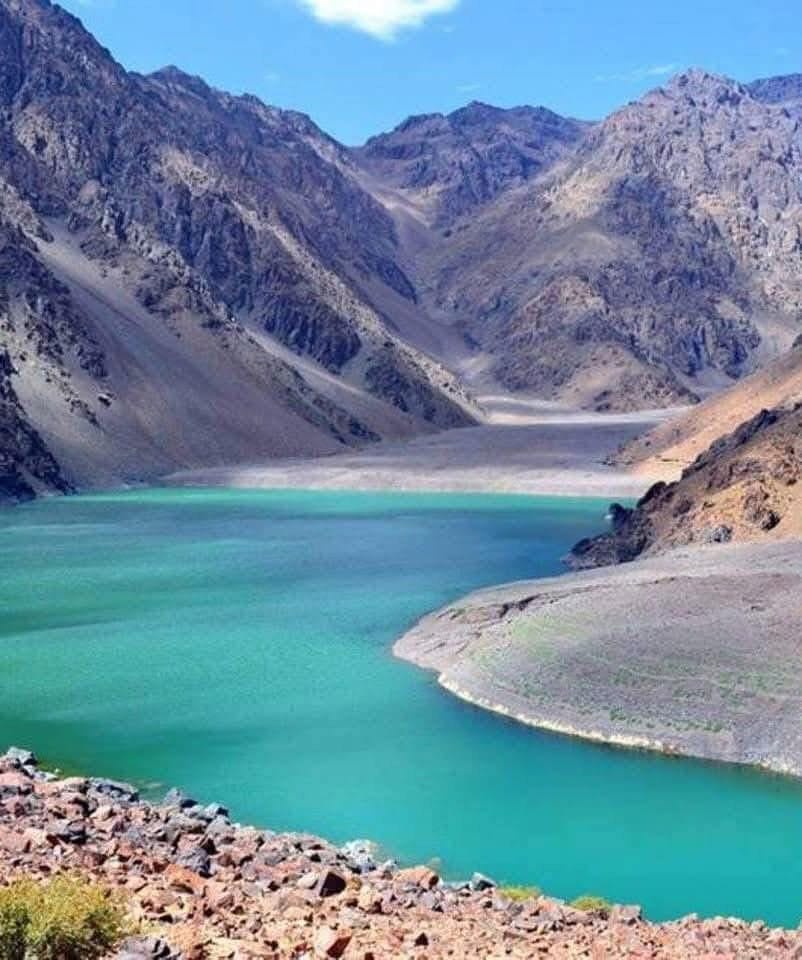
Deep in the heart of the High Atlas Mountains, embraced by rugged peaks and timeless silence, lies Lake Ifni — a breathtaking sanctuary that few travelers ever see, yet none forget. Known locally as Lac d’Ifni, this crystalline mountain lake mirrors the sky like a secret kept between the earth and the heavens. It is a place of solitude and purity, where Moroccan nature reveals its most intimate beauty — untamed, spiritual, and eternal.
When you stand at the edge of Lake Ifni, surrounded by steep slopes and untouched wilderness, you feel as though the world pauses for a moment. The air is sharp and pure, the colors vivid — the sapphire blue of the lake against the ochre and red hues of the mountains. It’s not merely a destination; it’s a revelation, a meeting between nature and soul that transcends travel.
Table of Contents
The Formation and Geography of Lake Ifni
Lake Ifni is a glacial lake, formed thousands of years ago by melting glaciers that shaped the Atlas valleys. Its high altitude makes it one of the largest natural mountain lakes in North Africa. The surrounding terrain is rugged, with peaks often covered in snow, creating a sharp contrast with the deep blue water.
Cultural and Symbolic Importance
For the Amazigh people of Iwziwn, Ifni Lake carries spiritual symbolism:
• Legends: Local oral traditions describe the lake as sacred, with spirits guarding its waters.
• Cultural identity: It serves as a reminder of the bond between Amazigh people and nature.
• Gatherings: Families and youth often walk to the lake during summer, making it a communal leisure spot.
The Location of Ifni Lake — Morocco’s Mountain Heartbeat
A Hidden Gem Beneath the Atlas Peaks
Lake Ifni lies within the Toubkal National Park, nestled at an altitude of approximately 2,295 meters (7,530 feet) above sea level. It rests in the Toubkal Massif, the same mountain range that holds Mount Toubkal, the highest peak in North Africa (4,167 meters).
Located about 10 kilometers southwest of the village of Amsouzart, and roughly 70 kilometers from the city of Marrakesh, Ifni Lake is both remote and reachable — an oasis of calm within Morocco’s dramatic geography.
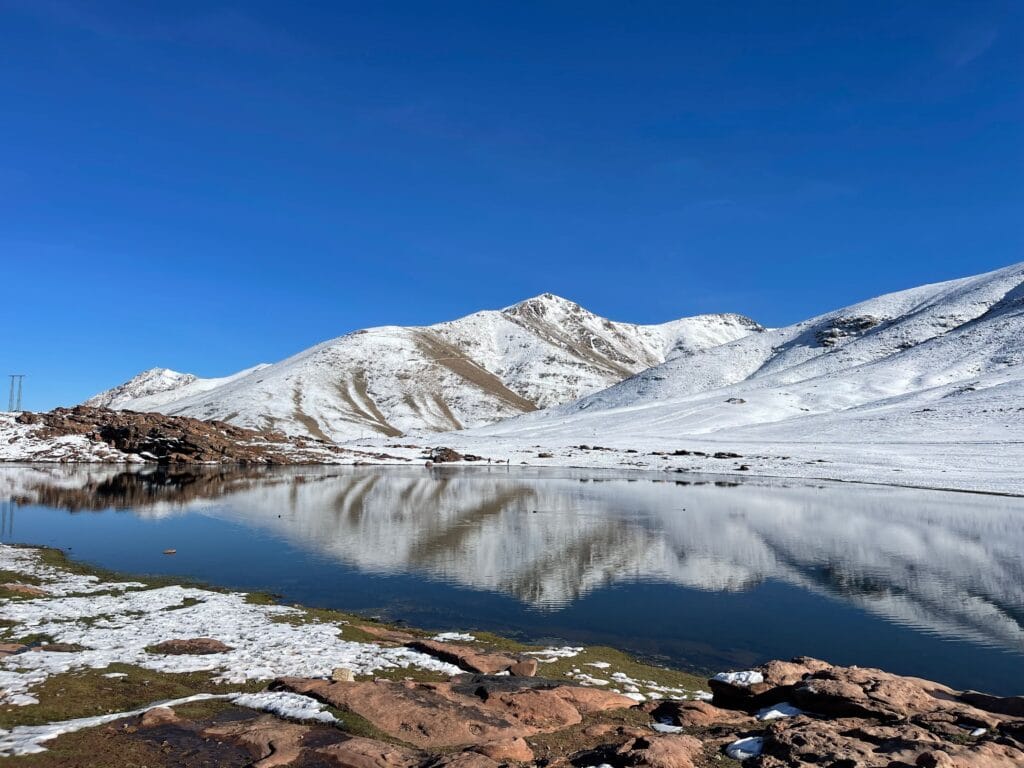
The lake stretches about 600 meters in length and reaches a depth of nearly 100 meters, depending on the season and snowmelt from the surrounding peaks. It is fed primarily by melting snow and seasonal rains, forming a shimmering pool of pure, icy-blue water.
Biodiversity and Nature
Despite its high altitude, the lake hosts unique flora and fauna:
• Birds like eagles and hawks soar above.
• Wild herbs grow on its banks, used in traditional Amazigh medicine.
• Mountain trout and other small species reflect the ecosystem’s delicacy.
Lake Ifni as a Travel Destination
Travelers to Ifni Lake find:
• Hiking routes from Iwziwn villages to the lake, surrounded by breathtaking views.
• Camping sites on the banks, where silence is broken only by wind and birds.
• A photography paradise, where sunrise and sunset create magical reflections.
This makes the lake a perfect eco-tourism destination.
The Natural Beauty of Ifni Lake — Morocco’s Alpine Mirage
A Landscape Sculpted by Time and Silence
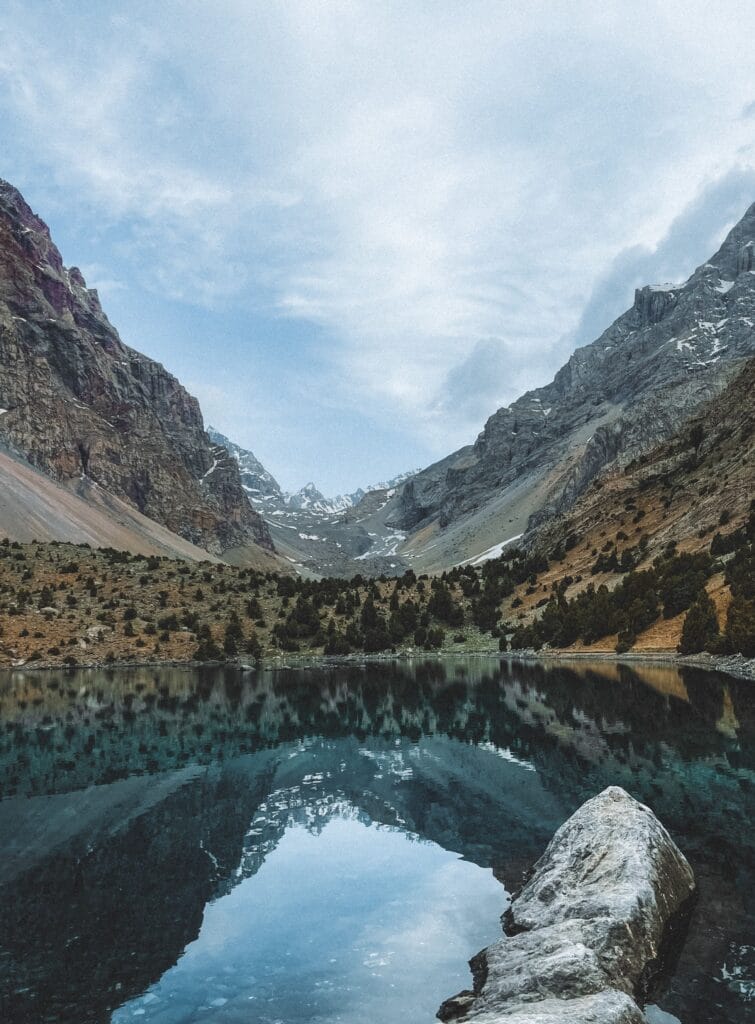
The first thing that strikes you about Ifni Lake is its isolation. Surrounded by towering ridges and steep, rocky slopes, it feels entirely disconnected from the world — a place where time slows, and the mountains speak in whispers. The lake is cradled in a deep natural basin formed by ancient glacial and tectonic forces, giving it a perfectly enclosed amphitheater-like setting.
The landscape is stark yet stunning — sparse vegetation clings to the mountainsides, while patches of green and wildflowers emerge in spring and summer, painting the rocky terrain with delicate colors. The contrast between the lake’s deep blue and the warm reds and browns of the surrounding rock formations creates a scene that feels almost otherworldly.
In the stillness of dawn, mist drifts across the surface, and eagles circle overhead. By midday, sunlight transforms the lake into a mirror of molten sapphire, reflecting the vastness of the Atlas sky.
Flora and Fauna — Life in Solitude
Despite its altitude and isolation, Lake Ifni sustains a fragile ecosystem. You may spot:
- Barbary ground squirrels darting among rocks,
- Wild mountain goats on distant cliffs,
- Migratory birds stopping to rest and drink,
- And carpets of alpine herbs and grasses that perfume the air.
Every living thing here seems adapted to silence — resilient, enduring, perfectly attuned to the rhythm of mountain life.
How to Get to Ifni Lake
Reaching Ifni Lake is an adventure in itself and one of the reasons the lake has retained its pristine character. Unlike Morocco’s more accessible tourist destinations, there are no paved roads leading directly to its shores. Visitors must combine road travel with mountain trekking, making the journey ideal for those seeking an authentic High Atlas experience.
Most travelers begin their trip in Marrakesh, the principal gateway to the High Atlas Mountains. From there, the journey continues by road toward the mountain village of Amsouzart, which serves as the main access point to Lake Ifni. The scenic drive passes through changing landscapes, from fertile plains and terraced valleys to dramatic mountain scenery dotted with traditional Amazigh villages.
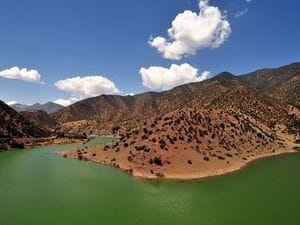
From Amsouzart, visitors continue on foot along well-established mountain trails. Depending on the chosen route and hiking pace, the trek generally takes between four and six hours. The path gradually climbs through rocky valleys, alpine meadows, seasonal streams, and panoramic viewpoints before reaching the tranquil waters of Ifni Lake.
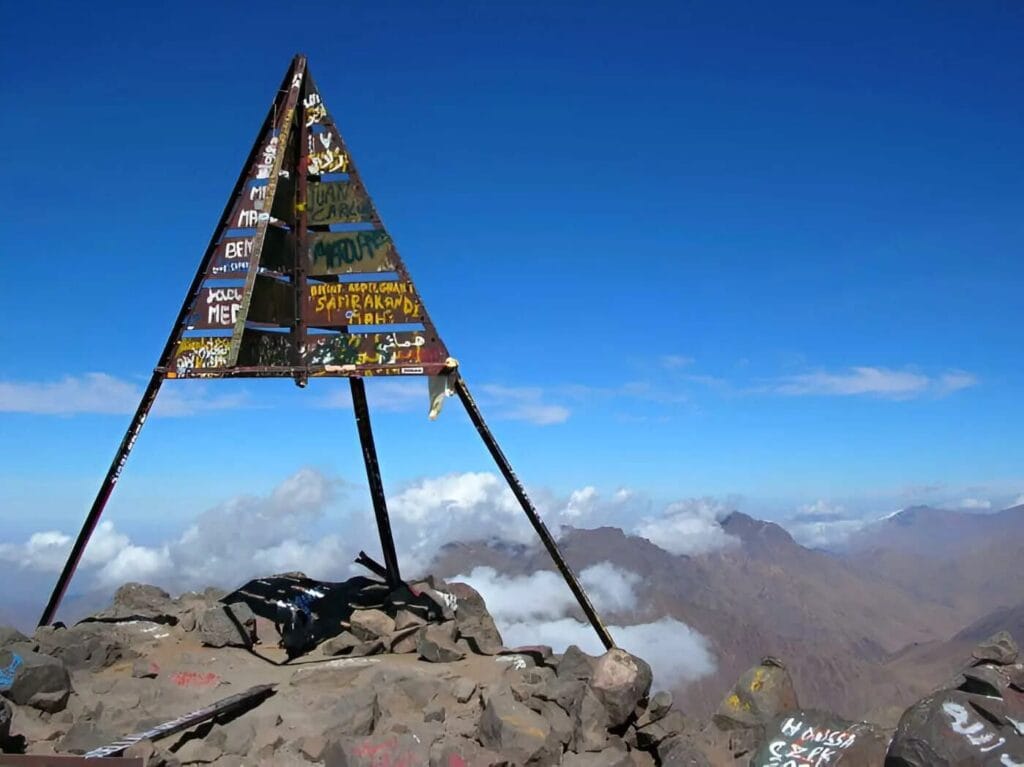
Experienced trekkers often include Ifni Lake as part of a multi-day circuit around Mount Toubkal, North Africa’s highest peak. One of the most spectacular routes crosses the Tizi n’Ouanoums Pass, offering breathtaking views before descending to the lake. While physically demanding, this itinerary rewards hikers with some of Morocco’s most impressive mountain scenery.
Because weather conditions in the High Atlas can change rapidly, travelers should check local forecasts, begin hikes early in the morning, and consider hiring a qualified local guide, particularly if visiting for the first time.
The Routes to Ifni Lake — Journeys Through Morocco’s Wild Soul
From Marrakesh to the Atlas — The Road Less Traveled
Reaching Lake Ifni is part of the adventure. Unlike the bustling tourist routes leading to Marrakesh or Ouarzazate, the journey to Ifni unfolds through winding valleys, ancient villages, and breathtaking landscapes.
The most common route begins in Marrakesh, where travelers head south toward Imlil — the gateway to Mount Toubkal. From there, the road continues through the picturesque Azzaden Valley, where stone houses cling to terraced hillsides and rivers flow through walnut groves.
- Route 1 – The Amsouzart Trail (the most direct path):
- Drive from Marrakesh to Asni and onward to Amsouzart village (about 4–5 hours).
- From Amsouzart, trek approximately 3–4 hours along a rocky trail to reach the lake.
- This route passes through charming Amazigh hamlets, where you can rest, drink mint tea, and experience traditional hospitality.
- Route 2 – The Toubkal Loop (for trekkers):
- Begin in Imlil, hike through Tizi n’Ouanoums Pass (3,680 m), and descend toward Lake Ifni.
- This path is part of the Toubkal Circuit, offering panoramic views of snow-capped peaks and glacial valleys.
- Duration: Around 2 days with overnight stops at mountain refuges.
Whether you travel by vehicle or foot, every turn reveals a new vista — barren slopes giving way to green valleys, then the sudden, heart-stopping sight of Lake Ifni’s blue gem glittering in the distance.
The Mystique and Legends of Ifni Lake
The Sacred Waters of the Amazigh People
For the Amazigh (Berber) communities of the High Atlas, Ifni Lake is more than just a body of water — it is a sacred entity, alive with spirit and story. Local folklore speaks of guardian spirits that protect the lake, ensuring its purity and balance.
Some villagers believe the lake’s deep blue hue reflects hidden depths — a gateway between the physical and spiritual worlds. Elders tell of ancient rituals once held at the shore, offerings of milk or grains to honor the spirits of water and mountain.
In Amazigh cosmology, water is life, purity, and renewal, and Lake Ifni embodies all three. Its remoteness has preserved not only its natural state but also its mythical aura — a reminder of how Moroccan nature blends the visible with the invisible.
Suggested Itineraries for Visiting Ifni Lake
One-Day Adventure
For experienced hikers already staying near Amsouzart, a one-day excursion to Ifni Lake offers an unforgettable introduction to the High Atlas. Setting out early allows enough time to reach the lake, enjoy its peaceful surroundings, photograph the spectacular scenery, and return before sunset.
Two-Day Trek
A two-day itinerary provides a more relaxed experience and allows visitors to fully appreciate the lake’s remarkable atmosphere. After hiking from Amsouzart, travelers can spend the afternoon exploring the shoreline, watching the changing mountain light, and camping nearby or staying in a mountain refuge where available. Sunrise over Lake Ifni is often considered one of the most memorable moments of the journey.
Three-Day Mountain Experience
Travelers seeking a deeper exploration of the High Atlas often combine Lake Ifni with neighboring valleys, Amazigh villages, and sections of the Mount Toubkal trekking circuit. This longer itinerary offers opportunities to experience traditional mountain hospitality, discover local culture, and appreciate the extraordinary diversity of the region’s landscapes.
Where to Stay Near Lake Ifni
Although there are no hotels directly on the shores of Ifni Lake, several accommodation options are available in nearby mountain communities. The village of Amsouzart is the primary base for visitors and offers family-run Amazigh guesthouses where travelers can enjoy traditional hospitality, home-cooked meals, and valuable local advice before beginning their trek.
For experienced hikers, camping near the lake is one of the most rewarding ways to experience the High Atlas, provided that environmental regulations are respected and weather conditions are favorable. Proper camping equipment, warm clothing, and responsible outdoor practices are essential due to the lake’s high elevation and cold nighttime temperatures.
Travelers combining Lake Ifni with Mount Toubkal often choose to stay in Imlil, Morocco’s best-known trekking village, where a wider selection of guesthouses, mountain lodges, and guiding services is available.
Traditional Food to Experience
One of the highlights of visiting the High Atlas is discovering the rich culinary traditions of Amazigh mountain communities. Meals are typically prepared using locally produced ingredients that reflect generations of adaptation to the mountain environment.
Visitors may enjoy slow-cooked Amazigh tagines flavored with seasonal vegetables and aromatic herbs, freshly baked traditional bread cooked in earthen ovens, handmade couscous served on Fridays and special occasions, locally produced olive oil, mountain honey, and the famous almond spread known as Amlou. Mint tea remains the universal symbol of hospitality, while walnuts, almonds, figs, and dried fruits provide energy for long days of trekking.
Sharing a meal with local families offers more than nourishment—it provides a meaningful opportunity to experience the generosity, traditions, and cultural heritage of the High Atlas.
Essential Safety Tips
Lake Ifni’s remote location is part of its charm, but it also requires careful preparation. Travelers should wear sturdy hiking boots suitable for rocky terrain and carry sufficient drinking water, high-energy food, sun protection, and layered clothing to adapt to rapidly changing mountain temperatures.
Because the lake lies at high altitude, visitors unfamiliar with mountain environments should pace themselves and remain alert for symptoms of altitude discomfort. Weather conditions can change quickly, particularly during spring and autumn, making waterproof clothing and warm layers indispensable even on sunny days.
Whenever possible, hiking with an experienced local guide is recommended, especially for first-time visitors or those planning longer trekking routes. Respecting marked trails, informing someone of your itinerary, and avoiding unnecessary risks contribute to a safer and more enjoyable experience.
Photography Tips for Ifni Lake
Ifni Lake offers exceptional photographic opportunities throughout the day, but the most dramatic light usually occurs shortly after sunrise and during the final hours before sunset. Calm morning conditions often transform the lake into a natural mirror, reflecting the surrounding peaks with remarkable clarity.
Spring brings colorful alpine flowers that contrast beautifully with the deep blue water, while autumn provides crisp mountain light and warm earth tones. Clear summer nights reveal spectacular star-filled skies, making the lake an excellent destination for landscape and astrophotography.
Photographers are encouraged to respect wildlife, avoid disturbing natural habitats, and follow local regulations regarding drone photography where applicable.
The Adventure of Visiting Ifni Lake
Hiking, Trekking, and Immersion in Nature
Lake Ifni is a paradise for trekkers, nature photographers, and solitude seekers.
- Trekking: The trails are rugged yet rewarding, passing through Berber villages, riverbeds, and mountain passes. The Amsouzart-Ifni hike is particularly scenic, offering breathtaking views.
- Camping: The lake’s shores provide perfect spots for camping under the stars. Nights here are silent, illuminated only by starlight reflected in the still water.
- Swimming: Though icy cold, brave souls often take a dip in the lake — a refreshing ritual after a long trek.
- Photography: The play of light and color — especially at sunrise or sunset — creates dreamlike compositions.

For those who love wild landscapes and the sense of discovering something untouched, Ifni Lake is Morocco’s hidden treasure.
Local Hospitality – The Heart of the Atlas
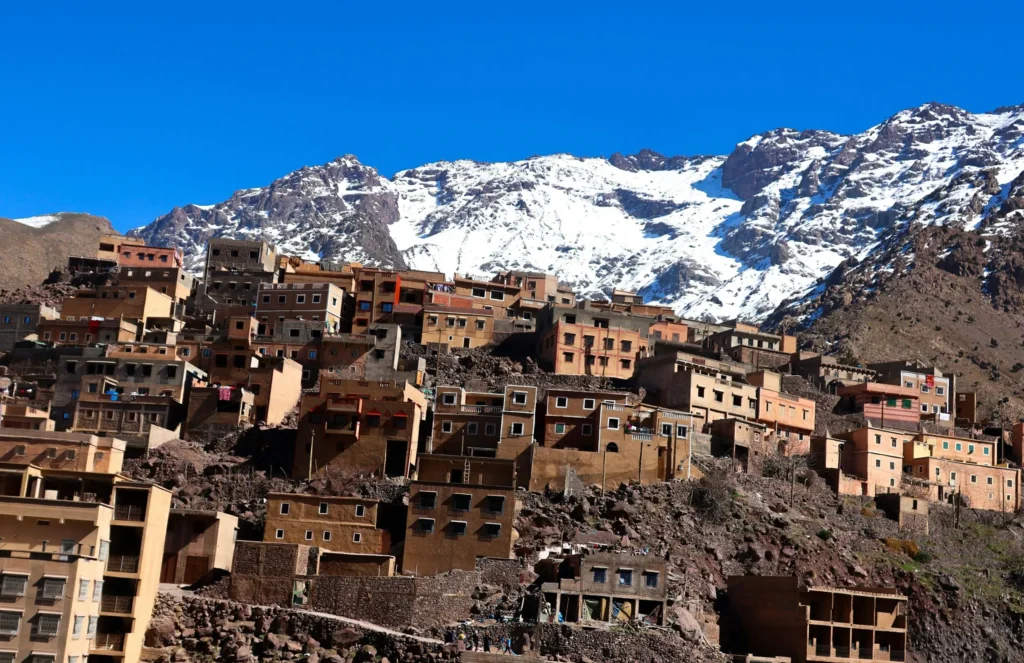
In nearby villages like Amsouzart, Imhilene, and Tisgui, local families welcome travelers with open arms. Expect warm Amazigh hospitality — home-baked bread, olive oil, and endless cups of sweet mint tea. Many villagers offer guesthouses or homestays, providing a window into mountain life and traditions that have endured for centuries.
Responsible Tourism at Ifni Lake
Ifni Lake is one of Morocco’s most fragile alpine ecosystems, and every visitor plays an important role in its preservation. Responsible travel begins with respecting the natural environment and the local Amazigh communities that have long cared for this remarkable landscape.
Whenever possible, remain on established hiking trails to reduce erosion and avoid damaging delicate vegetation. Carry all waste back with you, minimize the use of single-use plastics, and never leave food or litter behind. Wildlife should be observed from a respectful distance without feeding or disturbing animals in their natural habitat.
Supporting locally owned guesthouses, hiring certified mountain guides, and purchasing handmade products from nearby villages contribute directly to the regional economy while helping preserve traditional knowledge and cultural heritage. Responsible tourism ensures that Ifni Lake remains an unspoiled destination for future generations of travelers, researchers, and nature enthusiasts.
Moroccan lakes Table
| Destination | Best For | Difficulty | Main Attraction |
|---|---|---|---|
| Ifni Lake | Trekking & wilderness | Moderate–Hard | Alpine lake |
| Lake Isli | Scenic drives & culture | Easy | Mountain legends |
| Lake Tislit | Camping | Easy | Romantic folklore |
| Ouzoud Falls | Families | Easy | Waterfalls |
| Mount Toubkal | Climbers | Hard | Highest peak in North Africa |
Why Lake Ifni Deserves a Place on Every Nature Lover’s Bucket List
Ifni Lake is far more than a scenic mountain lake—it is one of Morocco’s last great wilderness destinations. Its combination of dramatic alpine landscapes, Amazigh cultural heritage, peaceful solitude, and exceptional biodiversity creates an experience that is increasingly rare in a world of heavily visited tourist sites.
Whether you are an experienced trekker searching for challenging mountain routes, a photographer seeking extraordinary natural light, or a traveler hoping to discover a quieter side of Morocco, Ifni Lake offers a journey that is both physically rewarding and emotionally unforgettable. Beyond its breathtaking beauty, the lake invites visitors to slow down, reconnect with nature, and appreciate the enduring relationship between the High Atlas Mountains and the Amazigh communities who have called them home for centuries.
The Environmental Importance of Ifni Lake
A Fragile Ecosystem Under Pressure
Lake Ifni’s isolation has protected it for centuries, but climate change and human activity are emerging threats. Reduced snowfall in the High Atlas and increasing droughts may alter its water levels. The delicate alpine vegetation surrounding the lake is vulnerable to overgrazing and erosion.
Morocco’s environmental programs, including the Toubkal National Park conservation plan, aim to protect Lake Ifni’s unique ecosystem through:
- Sustainable tourism initiatives,
- Regulated trekking routes, and
- Community-led conservation projects involving local Amazigh villages.
Preserving this natural wonder ensures that future generations can experience the same sense of awe and peace that defines Moroccan nature at its most authentic.
Quick Facts About Lake Ifni
Before planning a journey to Lake Ifni, it is helpful to understand a few essential facts about Morocco’s highest natural lake. Located deep within the High Atlas Mountains, Lake Ifni is renowned for its breathtaking alpine scenery, crystal-clear waters, and remote wilderness. The following overview provides practical information for travelers at a glance.
| Feature | Details |
|---|---|
| Location | High Atlas Mountains, Morocco |
| Region | Toubkal National Park |
| Province | Taroudant Province |
| Elevation | Approximately 2,295 m (7,530 ft) above sea level |
| Lake Type | Natural glacial mountain lake |
| Nearest Village | Amsouzart |
| Nearest Major City | Marrakesh |
| Best Time to Visit | May to October |
| Ideal Visit Duration | 2–3 days |
| Activities | Hiking, trekking, camping, photography, birdwatching, nature observation |
| Swimming | Possible but extremely cold throughout most of the year |
| Suitable For | Nature lovers, hikers, photographers, and adventure travelers |
Why Lake Ifni Is Worth the Journey
A Rare Encounter with Morocco’s Untouched Soul
What makes Lake Ifni extraordinary isn’t just its beauty — it’s the sense of purity and solitude that pervades it. There are no hotels, no crowds, no noise. It is Morocco stripped to its essence: earth, water, wind, and sky.
When you arrive, after hours of hiking and effort, the sight of the lake feels like a reward from nature itself. You stand at the edge of something ancient and eternal, where human presence feels humbly small.
The echoes of wind across the water, the distant calls of mountain birds, and the infinite expanse of stars at night — these are not things to see but to feel. Lake Ifni invites you to reconnect with simplicity, silence, and wonder.
How to Plan Your Visit
Best Time to Visit
- Spring (April–June): The snow begins to melt, rivers swell, and wildflowers bloom.
- Summer (July–September): Ideal for trekking and camping; the lake is accessible and the weather warm.
- Autumn (October): Quiet and serene, with golden light and cooler temperatures.
- Winter: Access is often blocked by snow, and conditions can be dangerous for inexperienced trekkers.
Essentials to Bring
- Sturdy hiking boots and warm clothing (temperatures drop sharply at night).
- Tents and sleeping bags (for camping).
- Sufficient water and food supplies.
- Camera or sketchbook — because you’ll want to capture the magic.
Did You Know? – 10 Fascinating Facts About Lake Ifni
🌿 1. Lake Ifni is Morocco’s highest permanent natural lake, sitting at approximately 2,295 meters (7,530 feet) above sea level.
🏔️ 2. The lake was formed by ancient glacial activity, making it one of Morocco’s few true alpine lakes.
🌊 3. Despite its remote location, Lake Ifni supplies water that contributes to downstream river systems supporting agriculture in surrounding valleys.
🌄 4. The lake lies within Toubkal National Park, Morocco’s oldest national park and home to some of North Africa’s richest mountain biodiversity.
🦅 5. The surrounding mountains provide habitat for numerous bird species, making the area attractive to birdwatchers and wildlife photographers.
🥾 6. Many trekkers combine Lake Ifni with Mount Toubkal, creating one of Morocco’s most spectacular multi-day hiking circuits.
🌌 7. Because there is almost no light pollution, Lake Ifni offers exceptional opportunities for stargazing and astrophotography during clear nights.
🌺 8. During late spring and early summer, alpine meadows surrounding the lake bloom with colorful wildflowers that transform the mountain landscape.
🏕️ 9. The peaceful atmosphere around Lake Ifni makes it one of Morocco’s favorite destinations for wilderness camping and nature photography.
🌍 10. Lake Ifni remains one of Morocco’s least-developed natural attractions, helping preserve its ecological integrity and authentic mountain character.
FAQs About Lake Ifni
Where is Lake Ifni located?
Lake Ifni lies in the High Atlas Mountains, within the Toubkal National Park, near the village of Amsouzart.
Lake Ifni is located in the High Atlas Mountains of southern Morocco, within Toubkal National Park in Taroudant Province. Nestled at an elevation of approximately 2,295 meters (7,530 feet) above sea level, it is surrounded by rugged peaks, alpine meadows, and dramatic mountain landscapes. Its remote location makes it one of Morocco’s most spectacular and least disturbed natural destinations.
Why is Lake Ifni famous?
Lake Ifni is renowned for its exceptional natural beauty, crystal-clear waters, and pristine mountain environment. It is Morocco’s highest permanent natural lake and serves as a favorite destination for hikers, photographers, nature enthusiasts, and trekkers exploring the High Atlas Mountains. The lake is also valued for its ecological importance and its connection to Amazigh cultural traditions.
How do you reach Lake Ifni?
The most common routes are from Amsouzart village or through Imlil and the Toubkal Pass, both involving scenic trekking trails.
Most visitors begin their journey in Marrakesh before traveling by road to the mountain village of Amsouzart, which serves as the main gateway to the lake. From there, Lake Ifni is reached by hiking along mountain trails that pass through valleys, streams, and traditional Amazigh landscapes. Depending on the chosen route, the trek generally takes four to six hours.
When is the best time to visit Lake Ifni?
The ideal time to visit Lake Ifni is between late spring and early autumn, typically from May through October. During these months, mountain trails are usually accessible, temperatures are comfortable for hiking, wildflowers bloom in many valleys, and weather conditions are generally more stable. Winter visits require specialized mountain experience because snow and ice may make access difficult.
Can beginners hike to Lake Ifni?
Lake Ifni is better suited to hikers with a moderate level of physical fitness. Although experienced trekkers often find the route manageable, beginners should prepare adequately, wear appropriate hiking equipment, and consider hiring a local mountain guide to ensure a safe and enjoyable experience.
Is camping allowed at Lake Ifni?
Camping is one of the most popular ways to experience Lake Ifni. Visitors should use suitable mountain camping equipment, respect local regulations, avoid damaging vegetation, and follow Leave No Trace principles by removing all waste and minimizing environmental impact.
What wildlife can be seen around Lake Ifni?
The High Atlas surrounding Lake Ifni supports a variety of wildlife, including mountain birds, reptiles, amphibians, butterflies, and numerous alpine plant species. Birdwatchers may observe raptors soaring above the valleys, while the surrounding ecosystem provides important habitats for many native species adapted to high-altitude environments.
What should visitors pack for Lake Ifni?
Visitors should bring sturdy hiking boots, layered clothing suitable for changing mountain weather, waterproof outerwear, sunscreen, sunglasses, a hat, sufficient drinking water, energy-rich food, trekking poles if desired, a first-aid kit, navigation tools, and a camera to capture the spectacular scenery. Overnight visitors should also carry appropriate camping equipment and a warm sleeping bag.
Is Lake Ifni suitable for family travel?
Families with older children who enjoy hiking and outdoor activities can visit Lake Ifni with careful planning. However, the trekking route and mountain conditions make the destination more appropriate for active travelers than for families with very young children or those seeking easily accessible attractions.
Why is Lake Ifni important to Amazigh culture?
For generations, Lake Ifni has been part of the cultural landscape of the High Atlas Amazigh communities. Beyond its natural beauty, it represents a place of memory, seasonal movement, oral traditions, and respect for the mountain environment. The surrounding landscapes continue to reflect centuries of coexistence between local communities and one of Morocco’s most remarkable alpine ecosystems.
How deep is Lake Ifni?
The lake reaches depths of about 90–100 meters, depending on the season and snowfall.
Is it safe to swim in Lake Ifni?
Yes, but the water is very cold due to its altitude and glacial origins — swim only during summer months.
Conclusion: Lake Ifni — The Silent Heart of Moroccan Nature
Hidden deep within Morocco’s most majestic mountains, Lake Ifni is a destination that transcends sightseeing. It’s a place to breathe deeply, to listen, and to remember what unspoiled nature feels like.
Its still waters reflect not only the peaks above but also the essence of Morocco — resilient, mysterious, and infinitely beautiful. To journey here is to encounter the wild soul of the Atlas, to touch the silence of centuries, and to find a rare peace that modern life has forgotten.
So, if your heart longs for something genuine and your spirit seeks renewal, let the trail to Lake Ifni guide you home.
References
- Ministry of Tourism, Morocco (2024). Natural Wonders of the Atlas Mountains.
- UNESCO Atlas Heritage Report (2023). Toubkal National Park and Its Lakes.
- Dufresne, A. (2022). Hiking Morocco: Trails of the High Atlas.
- Housni, M. (2021). Amazigh Landscapes and Sacred Waters of Morocco.
- Moroccan Geographic Institute (2024). Topography and Ecology of the Ifni Basin.
- World Travel Atlas (2023). Hidden Lakes of North Africa: A Conservation Overview.
- Alaoui, A. (2017). Mountain landscapes and biodiversity conservation in Morocco. Rabat: Ministry of Energy, Mines and Sustainable Development.
- Bennett, J. (2019). Trekking in Morocco: The High Atlas Mountains. Trailblazer Publications.
- Brett, M., & Fentress, E. (1996). The Berbers. Blackwell Publishers.
- British Mountaineering Council. (2022). Mountain safety and responsible hiking. BMC Publications.
- Ceballos-Lascuráin, H. (1996). Tourism, ecotourism and protected areas. IUCN.
- Denyer, S. (1978). African Traditional Architecture. Heinemann.
- Fenn, J. (2020). Morocco: The Rough Guide (13th ed.). Rough Guides.
- Hoffman, K.
Call to Action:
Let the silence of the High Atlas call you. Pack your courage, follow the trails, and discover Lake Ifni — the heart of Morocco’s wild beauty. Every step toward its waters is a step closer to understanding the living soul of Moroccan nature itself.