The Barrages of Morocco: Discover Barrage Mokhtar Soussi and Morocco’s Water Heritage
Introduction: Water as Life, Leisure and Heritage
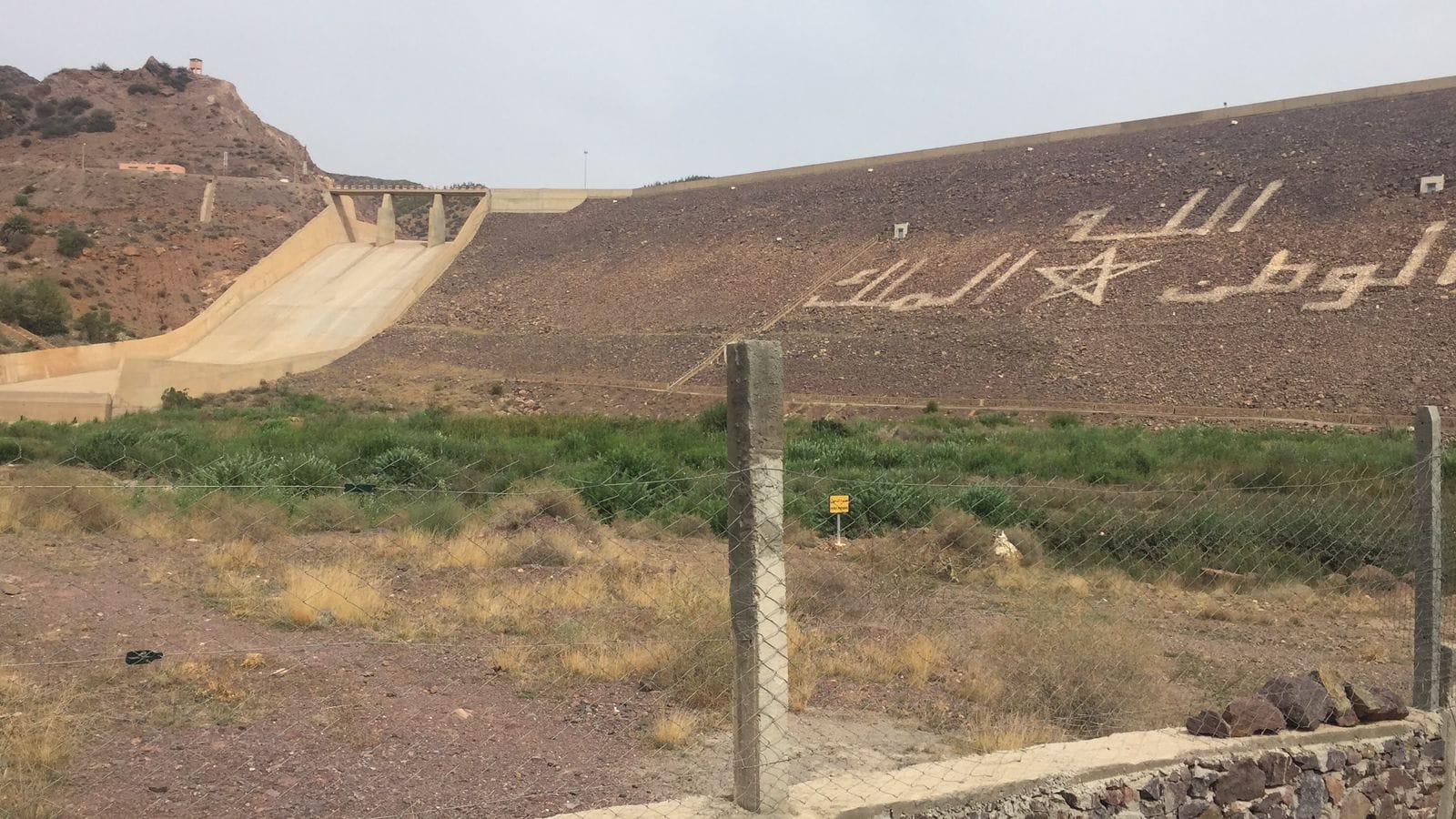
In the heart of southern Morocco, where the mountains meet the plains, water has always been the thread that binds earth, culture, and existence. The network of dams and reservoirs across Morocco stands as modern monuments to this truth—capturing rainfall, irrigating fields, sustaining cities, and creating new spaces for leisure and discovery. Among them, the Barrage Mokhtar Soussi in the province of Taroudant occupies a special place: a structure of engineering, environmental, and Amazigh heritage, offering not just utility, but a destination of calm, nature, and reflection.
This article takes you through a full exploration of the barrages of Morocco—why they matter—while turning the spotlight specifically on Barrage Mokhtar Soussi: its technical profile, natural setting, recreational potential, cultural context and how you can visit, relax and connect with the surrounding Amazigh villages, crafts and landscapes.
Table of Contents
1. Barrages in Morocco: Context and Importance
Why Morocco’s Dams Matter More Than Ever
Morocco is one of the world’s most water-stressed countries, where irregular rainfall, prolonged droughts, and growing demand for freshwater have made effective water management a national priority. In this context, Morocco’s extensive network of dams is far more than a collection of engineering structures—it is a strategic resource that sustains agriculture, provides drinking water, generates hydroelectric power, reduces flood risks, and supports economic development across diverse regions.
Among these vital infrastructures, Barrage Mokhtar Soussi occupies a particularly important place within the Souss-Massa region. By regulating seasonal river flows and storing precious water resources, the dam helps protect downstream communities while supporting irrigation systems that sustain thousands of hectares of farmland. It also contributes to preserving livelihoods in a region where water availability directly influences agricultural productivity, local economies, and environmental resilience.
Beyond their practical role, Morocco’s dams have become symbols of the country’s long-term commitment to adapting to climate variability. They demonstrate how engineering, environmental management, and sustainable planning can work together to secure water resources for present and future generations.
1.1 Why Barrages Matter
Morocco faces acute water-and-climate challenges: irregular rainfall, mountainous terrain, seasonal rivers, agricultural demand and growing urban populations. To secure water supply, regulate flows and allow irrigation, the Moroccan state has invested heavily in large dams and reservoirs. In recent years, more than 16 major dam projects have been underway, adding billions of cubic meters of storage capacity. Hespress+2Médias24+2
These structures serve multiple purposes:
- Irrigation for thousands of hectares of farmland;
- Drinking water supply for towns and rural communities;
- Recharge of groundwater aquifers in key basins;
- Flood control in rainy seasons;
- Recreational and ecological zones, though less emphasised.
1.2 Barrages as Social and Environmental Landscapes
Beyond their technical roles, dams transform landscapes and communities. They may submerge valleys, reshape water tables, affect agriculture, and create new lakes and ecosystems. Their presence influences tourism, local crafts, settlement patterns and leisure activities. As such, they bridge engineering and culture, especially in regions like Souss-Massa, home to many Amazigh villages. World Bank+1
Morocco’s National Dam Strategy
Since the second half of the twentieth century, Morocco has pursued one of Africa’s most ambitious water infrastructure programs. Recognizing the country’s highly variable rainfall and frequent drought cycles, successive governments invested in the construction of large and medium-sized dams across major river basins to improve water security and support national development.
This strategy has enabled Morocco to expand irrigated agriculture, strengthen drinking water supplies for rapidly growing cities, reduce the impact of seasonal floods, and diversify energy production through hydroelectric facilities. Today, dams form the backbone of the country’s integrated water management system, connecting mountain watersheds with agricultural plains, industrial centers, and rural communities.
Recent national strategies increasingly emphasize not only the construction of new dams but also the modernization of existing infrastructure, sediment management, improved water-use efficiency, wastewater reuse, desalination, and climate adaptation measures. Together, these initiatives reflect Morocco’s evolving approach to ensuring long-term water resilience in the face of growing environmental challenges.

2. The Barrage Mokhtar Soussi – Technical Profile
The Legacy Behind the Name: Who Was Mokhtar Soussi?
Barrage Mokhtar Soussi bears the name of Mohammed المختار السوسي (1900–1963), one of Morocco’s most distinguished scholars, historians, jurists, and intellectuals. Born in the Sous region, he dedicated much of his life to documenting the history, culture, genealogy, and scholarly traditions of southern Morocco, preserving a remarkable record of Amazigh society during a period of profound political and social change.
Through his extensive writings, Mokhtar Soussi highlighted the importance of education, cultural memory, and regional identity while emphasizing the historical contributions of the Souss to Morocco’s intellectual and religious heritage. His works remain valuable references for historians, anthropologists, and researchers interested in Amazigh history and Moroccan civilization.
Naming the dam in his honor reflects more than regional pride. It symbolizes the connection between knowledge and development, recognizing that sustainable progress depends not only on engineering achievements but also on preserving the cultural and historical legacy of the communities these projects serve.
2.1 Location and Basic Specifications
- Name: Barrage Mokhtar Soussi (also spelled Mokhtar Souissi)
- Province: Taroudant, Region: Souss-Massa
- Situated on the Oued Aouzioua, a tributary of the Oued Souss. sygeo.ma+1
- Commissioning: Around 2001/2002. sygeo.ma+1
- Height (on foundation): ~62 m. sygeo.ma
- Capacity: Approximately 50 million m³ of water retained. Wikipédia+1
- Regularised volume: About 45 million m³. masen.ma
2.2 Modernisation and Expansion
In recent years, a major project has been launched to raise the dam height and increase capacity significantly:
- The works aim to raise the height to around 101 m, expand crest length to about 768 m, and boost capacity to up to 281 million m³. Le 360 Français+1
- Budget: Approximately 1.19 to 1.7 billion dirhams. Le 360 Français+1
- Completion target: November 2026 (ahead of schedule) for the surélévation project. Le 360 Français+1
2.3 Purpose and Functions
- The barrage regulates flows of Oued Aouzioua and supports irrigation for the Sebt El Guerdane / Ouled Teïma agricultural zone. Wikipédia
- It contributes to the recharge of the Souss aquifer, secures water supply for Taroudant and surrounding areas and provides flood protection for downstream valleys. alsina.com+1
Quick Facts About Barrage Mokhtar Soussi
| Feature | Information |
|---|---|
| Name | Barrage Mokhtar Soussi |
| Country | Morocco |
| Region | Souss-Massa |
| Province | Taroudant |
| River Basin | Souss watershed |
| Primary Functions | Irrigation, drinking water supply, flood control, water storage |
| Nearby City | Taroudant |
| Nearby Mountains | High Atlas |
| Best Time to Visit | Spring and autumn |
| Activities | Sightseeing, photography, birdwatching, nature observation |
| Suitable For | Travelers, students, researchers, photographers, nature lovers |
3. Natural Setting and Environment
3.1 Landscape and Location
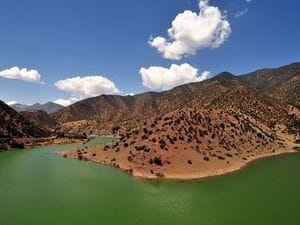
The Barrage Mokhtar Soussi sits in a rural, mountainous setting. Located about 100 km east of Taroudant (province centre) on the rural commune of Aouzioua. Le 360 Français+1 The surrounding scenery includes high-Atlas foothills, rugged ridges, traditional Amazigh villages, olive and argan groves, and wild riverbeds.
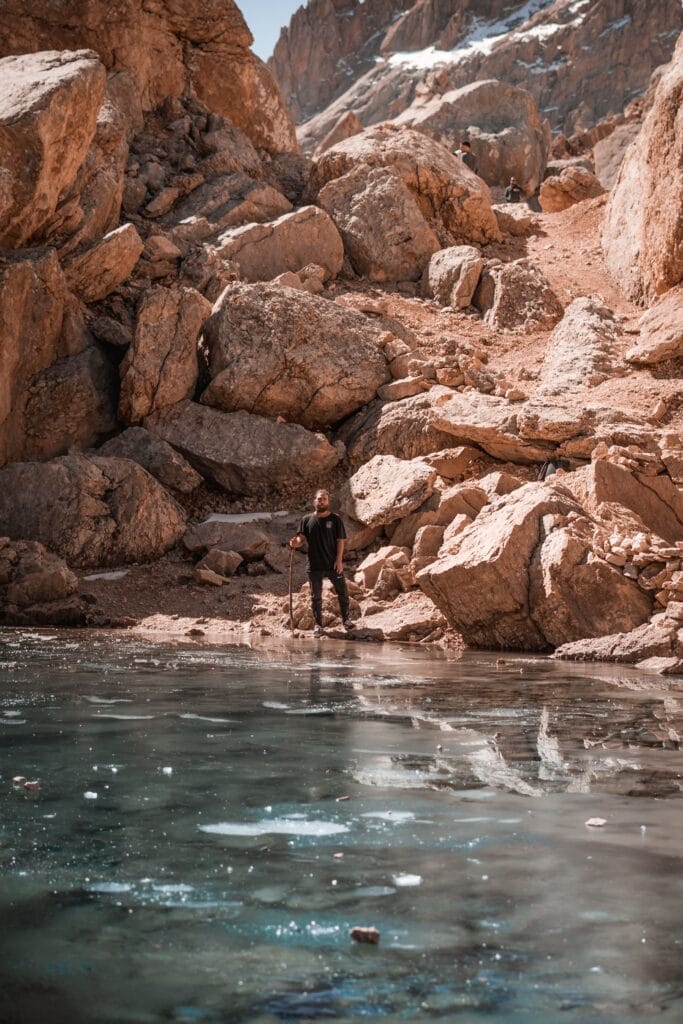
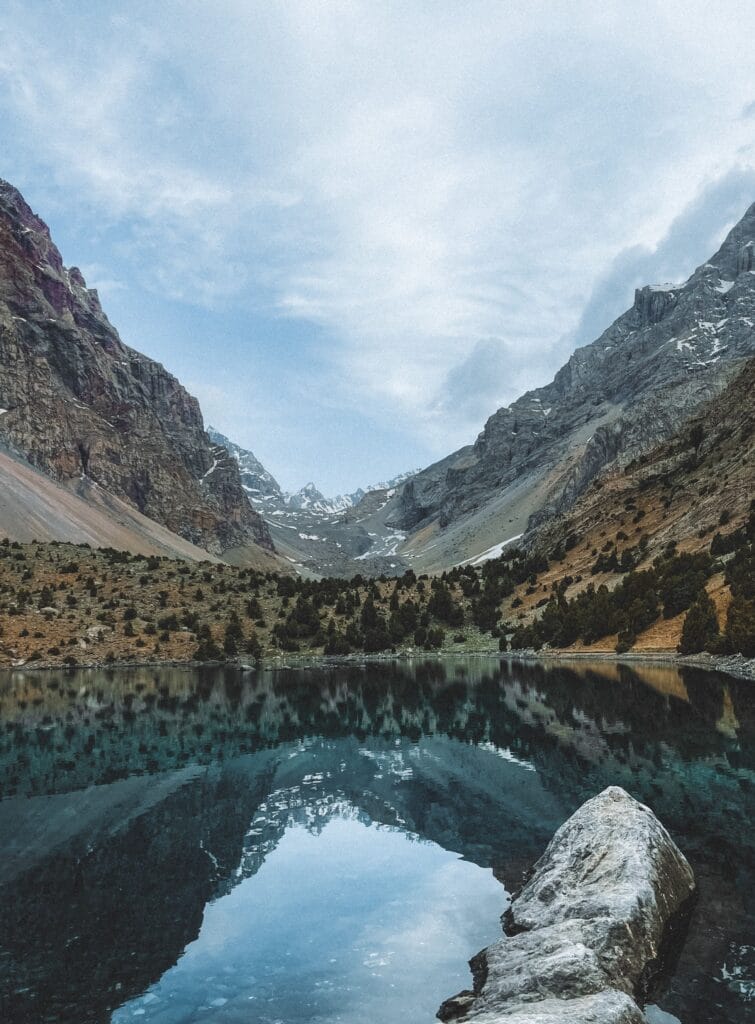
The reservoir creates a calm lake surface amid the red-ochre hills, offering unexpected reflections of sky and mountain—a visual oasis in rural Morocco.
3.2 Ecology and Micro-Climate
The dam’s lake and environs now form a micro-ecosystem:
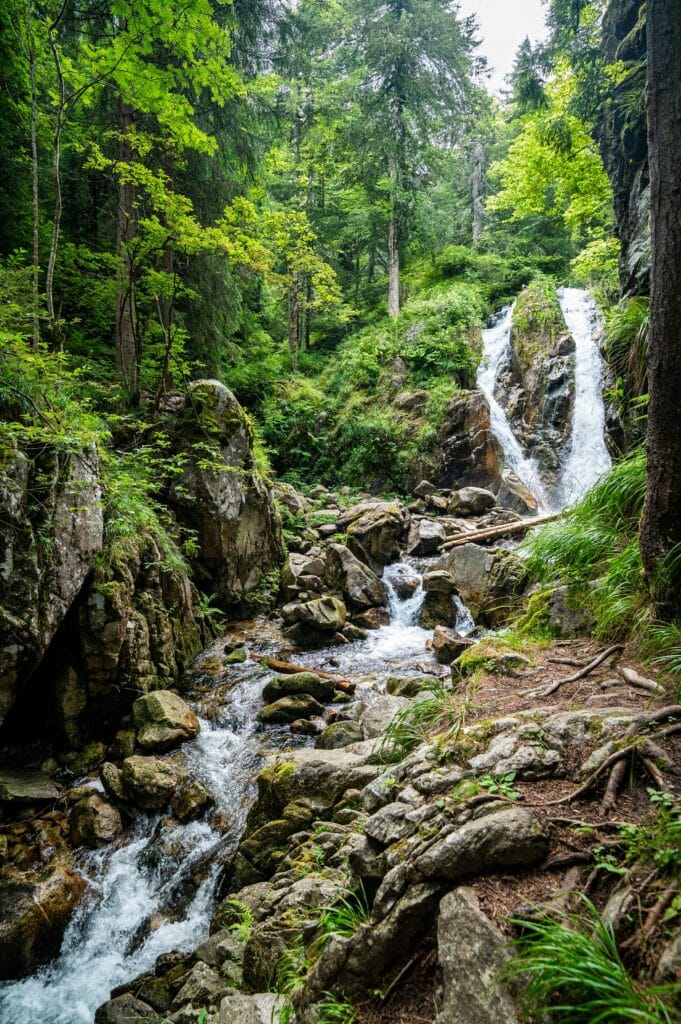
- Surface water fosters birdlife, aquatic vegetation and seasonal wetlands.
- The dam helps regulate seasonal floods and maintain base flows, supporting downstream agriculture and oases.
- The area provides vantage points for panoramic views of the rural valley and twilight reflections on the reservoir.
3.3 Recreation and Leisure Potential
While not yet a major tourist resort, the site offers strong potential for leisure:
- Walking / nature trails along the reservoir rim.
- Picnic areas under argan or olive trees near the water’s edge.
- Photography / bird-watching at dawn and dusk when light hits the reservoir.
- Local village visits: connecting to nearby Amazigh villages where traditional crafts, weaving, food and music continue.
- Calm retreat away from urban noise; ideal for meditation, reading, sketching or simply relaxing by water.
4. How to Visit Barrage Mokhtar Soussi
4.1 Directions and Access
From Taroudant city, travel eastwards towards Aouzioua, following the regional road that winds through Souss-Massa foothills. The barrage is located around 100 km from Taroudant, and signage may be sparse—car rental or local guide recommended. According to technical sources it lies approximately at latitude 30.7346°, longitude -7.98° (Wikipedia). Wikipédia Upon arriving, use the service road along the reservoir crest to reach vantage points or picnic spots.
4.2 Best Time to Visit
- Spring (March–May): Wildflowers, mild weather, high water levels.
- Autumn (October–November): Calm light, golden hills, fewer tourists.
- Avoid peak summer midday if seeking shade—choose early mornings or late afternoons.
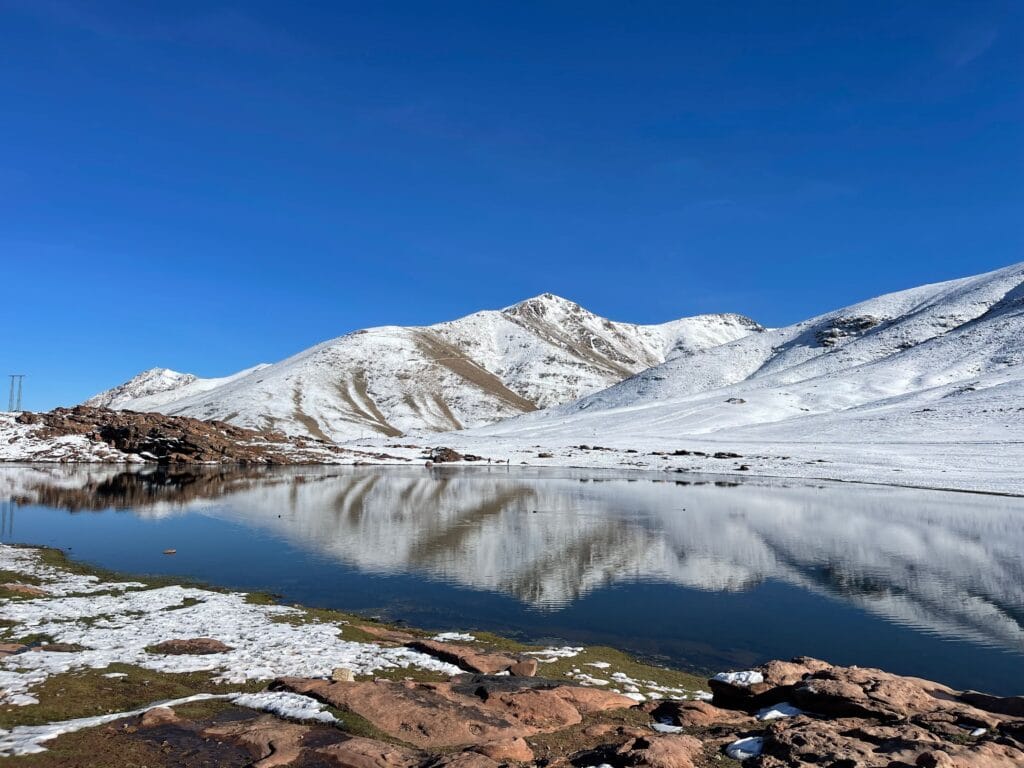
- Winter months may bring cold winds and limited facilities, but offer dramatic moods.
4.3 Visitor Tips
- Wear comfortable walking shoes for uneven terrain near the reservoir rim.
- Bring water, snacks and sun-protection (hat, sunscreen) — facilities are limited.
- Respect local Amazigh communities: ask permission before photographing people or villages, and support craft shops and cooperatives.
- Seek shaded spots beneath argan or olive trees for true relaxation.
- If staying overnight nearby, choose a village guesthouse (dar/tasgaamt) to connect with local culture.
Why Visit Barrage Mokhtar Soussi?
Although primarily designed as an essential component of Morocco’s water infrastructure, Barrage Mokhtar Soussi has also become an attractive destination for visitors interested in landscapes, engineering, and environmental tourism. Surrounded by the foothills of the High Atlas Mountains, the reservoir offers peaceful scenery where calm waters reflect rugged mountain peaks and changing seasonal colors.
Nature enthusiasts can enjoy birdwatching, photography, and quiet walks while observing how the reservoir has transformed the surrounding landscape. During favorable seasons, the area provides opportunities to appreciate both the engineering achievement of the dam and the ecological richness that has developed around its waters.
For travelers exploring Taroudant Province, the dam also serves as an excellent stop on a broader journey through the Souss region, complementing visits to traditional Amazigh villages, agricultural landscapes, and nearby mountain routes.
5. Linking Water, Culture and Amazigh Heritage
5.1 Water in Amazigh Life
For the Amazigh people of the Souss-Massa and Taroudant region, water is both practical and spiritual. The seasonal riverbeds (oueds), mountain springs and terraces define settlement patterns, agriculture and community life. The construction of large reservoirs like Mokhtar Soussi builds upon centuries of local hydraulic knowledge: terracing, khettaras (underground channels), communal water rights and crop diversification.
5.2 Agriculture and Irrigation
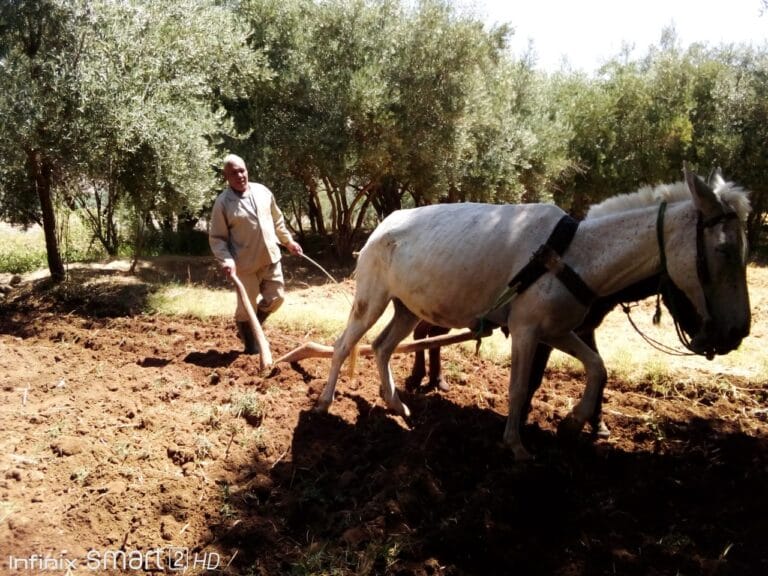
The reservoir supports downstream irrigation of citrus groves, olive trees, argan forests and cereals. It strengthens the agrarian base of Amazigh villages that weave, farm and craft—ensuring sustainable livelihoods.
A dam like Mokhtar Soussi is thus not only infrastructure but an enabler of culture.
5.3 Crafts and Leisure Economy
The leisure potential of the dam—walking trails, lakeside rest, cultural visits—connects directly to the Amazigh crafts you’ve highlighted on your site: weaving carpets, architecture, jewelry and local music. Visitors arriving at the reservoir site have the opportunity to absorb not just nature, but living culture: local village architecture built from clay/straw, weaving co-ops over argument, silver jewelry workshops and the storytelling of elders.
5.4 Architecture and Settlement Patterns
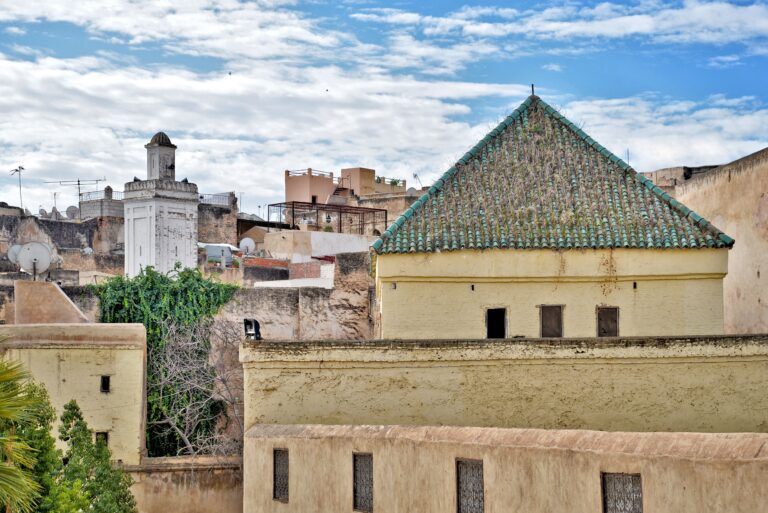
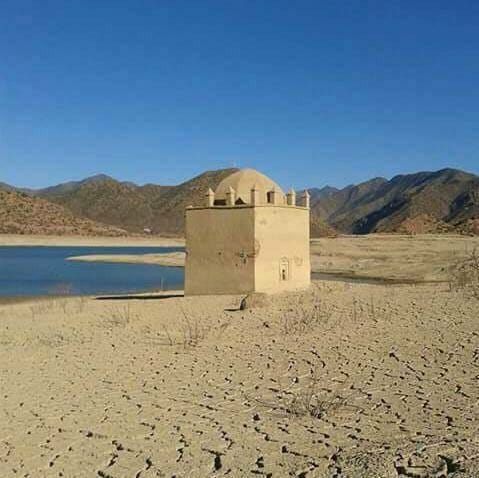
Nearby villages represent the vernacular Amazigh architecture built in harmony with land and water. The proximity to a dam/reservoir introduces modern infrastructure into a rural landscape—offering interesting contrasts: modern engineering and traditional clay homes, concrete spillways and earthen courtyards. This interaction becomes part of the story of “change with continuity”.
6. The Visitor Experience: Combining Peace and Discovery
6.1 A Full-Day Agenda Example
Morning: Arrive at the reservoir early, capture sunrise reflections on water, stroll along the crest road.
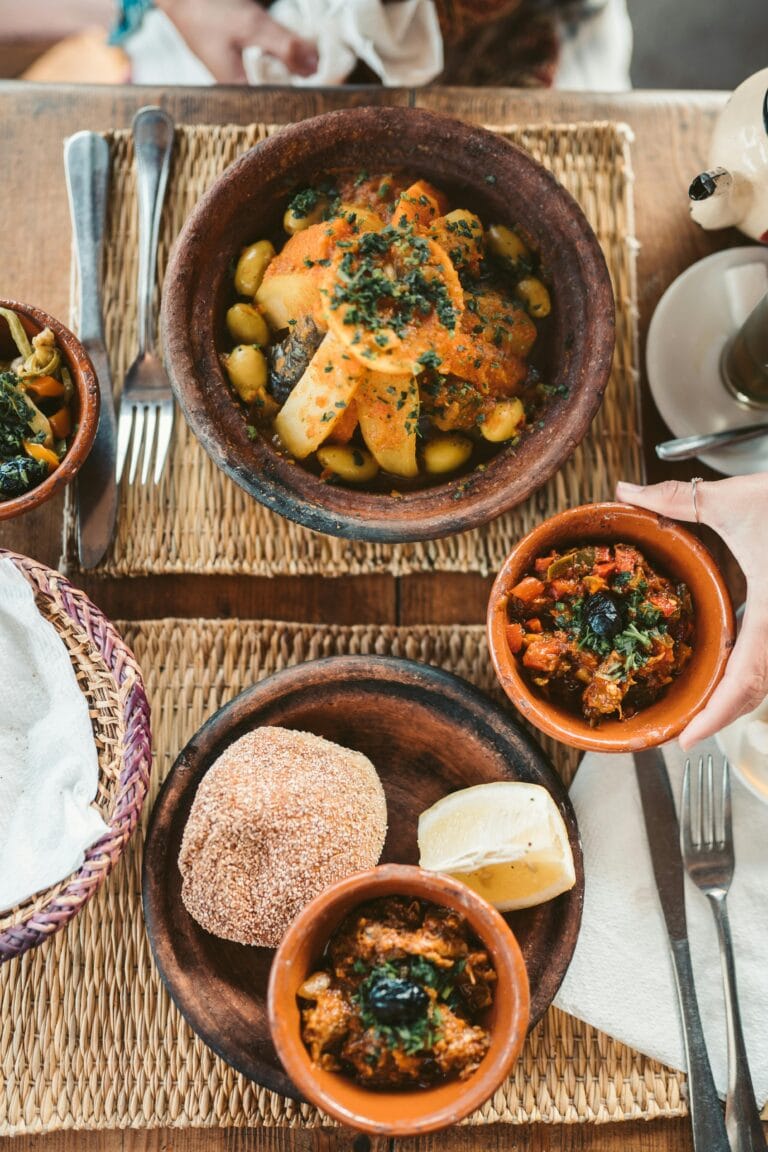
Midday: Picnic under olive trees; visit a nearby Amazigh village guest-house, sample traditional tajine and mint tea.
Afternoon: Gentle hike down to the water-edge, look for birds, sketch or photograph the landscape; browse a weaving cooperative.
Evening: Return to vantage point for golden-hour light. Stay overnight in village guest-house or camp near the water.
6.2 Why Visit Mokhtar Soussi for Leisure
- Tranquillity: Compared with major tourist sites, this location is low-traffic, ideal for quiet reflection.
- Scenic variety: Mountains, water, traditional villages and argan/oak trees combine in one landscape.
- Cultural depth: The leisurely visitor has access not only to nature but to Amazigh life, crafts, music and architecture.
- Day-trip friendly: From Taroudant or other regional bases, the reservoir can be visited within a manageable day, or used as a peaceful overnight stay.
6.3 Suggested Enhancements for a Visit
- Ask local village hosts about Amazigh legends of the Aouzioua valley and how the reservoir changed lives.
- Participate in a weaving demonstration or silver-jewelry workshop nearby.
- Coordinate with local guide for bird-watching early morning on the reservoir, especially during migration seasons.
- Pack a sketch-book or journal—this is a place where leisure and contemplation merge with culture.
7. Challenges and Sustainability
7.1 Environmental Considerations
While the Barrage Mokhtar Soussi offers major benefits, it also introduces environmental change: altered river flows, submerged habitats, resettlement of some communities and potential impacts on groundwater. Reports highlight that some local Amazigh villages (douars) near the reservoir faced difficult conditions post-construction. survie.org
7.2 Social and Economic Dimensions
Large infrastructure sometimes brings uneven benefit to local rural populations. Ensuring that tourism, crafts and visitor leisure generate income locally—rather than simply external use—remains a priority for culturally conscious travel.
7.3 Future-proofing the Site
As the dam’s height and capacity expand (to 281 million m³), management of visitor access, environmental protection, community benefit and infrastructure (access roads, toilets, signage) will be essential to allow the site to become a sustainable leisure destination rather than just a visiting point.
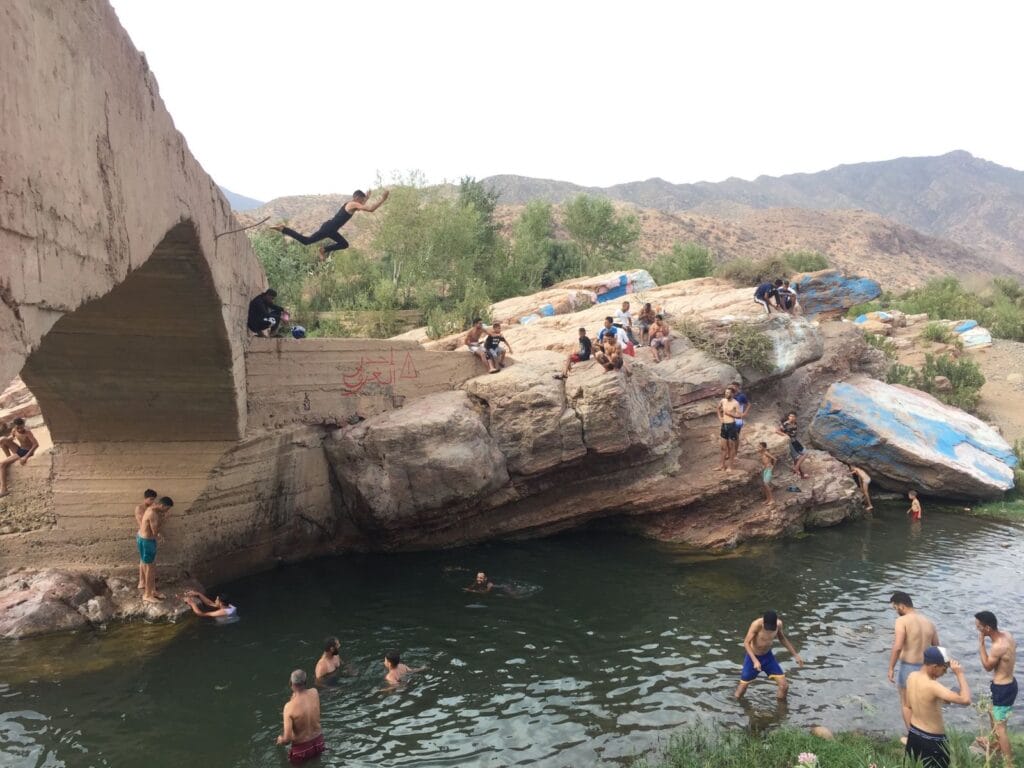
The Network of Barrages in Morocco: Guardians of Water, Heritage, and Sustainability
Morocco’s landscape is intricately shaped by its network of over 140 large dams, known locally as barrages, which play a pivotal role in the country’s water management, agriculture, and energy production. Together, they store more than 19 billion cubic meters of water—an impressive achievement for a country balancing arid and semi-arid climates. Among the most significant are Barrage Al Wahda near Ouezzane, the largest in Morocco and second largest in Africa, with a capacity of 3.8 billion m³; and Barrage Al Massira near Settat, a towering 82-meter gravity dam holding around 2.76 billion m³. Other notable examples include Barrage Hassan I in Azilal (0.27 billion m³), Barrage Allal al Fassi near Sefrou (0.08 billion m³), and Barrage Bin el Ouidane, one of the country’s earliest and most iconic hydraulic works. These massive infrastructures regulate Morocco’s rivers, provide drinking water, irrigate vast plains, and prevent floods—while also serving as a foundation for rural and economic development.
Beyond these monumental structures, smaller regional dams such as Barrage Mokhtar Soussi in the Taroudant province are equally vital. Nestled in the Iwziwn region, this dam supplies water to surrounding argan valleys and agricultural lands, while offering a tranquil setting for eco-tourism and cultural exploration. Visitors to such barrages not only encounter technical marvels but also witness the synergy between water, landscape, and Amazigh life—from terraced farming and weaving villages to traditional architecture and seasonal moussems. Each dam, whether vast or modest, is a testament to Morocco’s enduring dialogue between nature and culture, where engineering meets spirituality and community life.
Major Dams (“Barrages”) of Morocco
| Name of Barrage | Location (Region/Province) | River Basin | Approx. Capacity (Million m³) | Primary Purpose |
|---|---|---|---|---|
| Al Wahda Dam | Ouezzane (Northern Morocco) | Ouergha River | 3,800 | Irrigation, hydroelectric power, flood control |
| Al Massira Dam | Settat (Chaouia) | Oum Er-Rbia River | 2,760 | Water supply, irrigation, electricity |
| Bin el Ouidane Dam | Azilal (High Atlas) | Oum Er-Rbia River | 1,500 | Hydropower, irrigation, tourism |
| Mohamed V Dam | Berkane (Oriental) | Moulouya River | 730 | Irrigation, flood control |
| Hassan I Dam | Azilal (Central Morocco) | Oum Er-Rbia River | 273 | Hydroelectric power, agriculture |
| Allal al Fassi Dam | Sefrou (Fès-Meknès) | Sebou Basin | 80 | Irrigation, drinking water |
| Sidi Mohammed Ben Abdellah Dam | Near Rabat | Bou Regreg River | 260 | Potable water for Rabat and Casablanca |
| Youssef Ben Tachfine Dam | Tiznit (Souss-Massa) | Massa River | 298 | Irrigation, water regulation |
| Mokhtar Soussi Dam | Taroudant (Iwziwn Region) | Souss Basin | 40 | Irrigation, drinking water, leisure |
| Oued El Makhazine Dam | Larache (Tangier-Tetouan) | Loukkos River | 730 | Irrigation, urban supply, flood control |
Insights and Tourism Potential
These barrages do more than store water—they create landscapes of tranquility and recreation. Around Al Massira and Bin el Ouidane, water sports, bird-watching, and eco-lodges attract thousands of visitors yearly. The Barrage Mokhtar Soussi, though less known, offers unmatched serenity surrounded by argan groves, making it an ideal destination for those seeking calm, connection to nature, and authentic Amazigh hospitality. Such places bridge hydraulic engineering with cultural identity, allowing visitors to experience Morocco not merely as a geographical space but as a living ecosystem of heritage and sustainability.
Frequently Asked Questions (FAQs) About the Barrages of Morocco and Barrage Mokhtar Soussi
1. What is Barrage Mokhtar Soussi?
Barrage Mokhtar Soussi is a major dam located in Morocco’s Souss-Massa region near Taroudant. Built on the Oued Souss watershed, it plays a crucial role in storing water, supplying irrigation, reducing flood risks, and supporting local agriculture and communities. It is also an important example of Morocco’s long-term strategy for sustainable water resource management.
2. Where is Barrage Mokhtar Soussi located?
Barrage Mokhtar Soussi is situated in Taroudant Province in southern Morocco, at the foothills of the High Atlas Mountains. Its location allows it to capture seasonal runoff from surrounding mountain valleys and regulate water supplies for the fertile Souss plain.
3. Why is Barrage Mokhtar Soussi important?
The dam is essential because it provides water for irrigation, supports drinking water supplies, reduces the impact of floods, and contributes to regional economic development. It also helps improve water security in an area that experiences frequent droughts and irregular rainfall.
4. Who was Mokhtar Soussi?
Mohammed Mokhtar Soussi (1900–1963) was one of Morocco’s most respected scholars, historians, writers, and religious leaders. He dedicated his life to documenting the history, culture, and intellectual heritage of the Souss region. The dam was named in his honor to recognize his lasting contributions to Moroccan history and Amazigh heritage.
5. What are the main purposes of Morocco’s dams?
Morocco’s dams serve multiple purposes, including storing freshwater, irrigating agricultural land, supplying drinking water, generating hydroelectric power, controlling floods, supporting industry, and strengthening the country’s resilience to climate change and drought.
6. How many major dams does Morocco have?
Morocco has more than 150 large dams and numerous smaller dams distributed across its river basins. Together, they form one of Africa’s most advanced water management systems and continue to expand through ongoing infrastructure projects.
7. Can tourists visit Barrage Mokhtar Soussi?
Yes. While the dam is primarily an engineering and water management facility, visitors can enjoy the surrounding landscapes, mountain scenery, birdwatching, photography, and nearby Amazigh villages. Access to certain operational areas may be restricted for safety reasons.
8. What is the best time to visit Barrage Mokhtar Soussi?
Spring (March to May) and autumn (September to November) are generally the best seasons to visit. During these months, temperatures are pleasant, the surrounding landscapes are greener, and outdoor activities such as sightseeing and photography are more enjoyable.
9. What wildlife can be found around the reservoir?
The reservoir and surrounding environment provide habitats for various bird species, reptiles, amphibians, insects, and native vegetation adapted to the semi-arid climate of southern Morocco. Seasonal water levels also influence local biodiversity and bird migration.
10. How do dams help Morocco during droughts?
Dams store water collected during rainy seasons and release it when rainfall is limited. This helps maintain drinking water supplies, sustain irrigation for agriculture, protect ecosystems, and reduce the social and economic impacts of prolonged drought.
11. What role does Barrage Mokhtar Soussi play in agriculture?
The dam supports irrigation systems that provide water to farms throughout the Souss region. This reliable water supply helps farmers grow crops, maintain orchards, improve food production, and strengthen the local economy despite variable rainfall.
12. Is Barrage Mokhtar Soussi used to generate electricity?
The primary functions of Barrage Mokhtar Soussi are water storage, irrigation, flood regulation, and water supply. While some Moroccan dams generate hydroelectric power, the importance of each dam depends on its design and operational objectives within the national water management system.
13. Why are dams important for Morocco’s future?
As climate change increases pressure on water resources, dams help Morocco improve water security, adapt to changing weather patterns, support sustainable agriculture, protect communities from floods, and ensure reliable water supplies for future generations.
14. What activities can visitors enjoy near Barrage Mokhtar Soussi?
Visitors can admire panoramic mountain landscapes, enjoy nature photography, observe birds, discover nearby Amazigh villages, explore local agricultural areas, and experience the peaceful atmosphere created by the reservoir and surrounding High Atlas scenery.
15. Is Barrage Mokhtar Soussi suitable for family visits?
Yes. Families interested in nature, geography, engineering, and outdoor recreation can enjoy visiting the area. However, visitors should follow local safety regulations, supervise children near the water, and respect any restricted zones around the dam.
16. How does the dam benefit local communities?
The reservoir supports farming, provides reliable water supplies, reduces flood risks, creates employment opportunities linked to agriculture and infrastructure, and contributes to the long-term social and economic development of surrounding communities.
17. What environmental challenges affect Morocco’s dams?
Morocco’s dams face several environmental challenges, including prolonged drought, reduced rainfall, sediment accumulation, climate change, increasing water demand, and the need to balance human water use with ecosystem conservation.
18. How does Barrage Mokhtar Soussi support sustainable development?
By improving water management, strengthening agricultural resilience, reducing vulnerability to drought, and supporting responsible resource use, the dam contributes to Morocco’s broader goals of environmental sustainability and long-term economic development.
19. What other attractions can visitors explore near Barrage Mokhtar Soussi?
Travelers visiting the dam can also discover the historic city of Taroudant, traditional Amazigh villages, the High Atlas Mountains, scenic valleys, local markets, hiking routes, and cultural sites that showcase the rich heritage of the Souss region.
20. Why should travelers include Barrage Mokhtar Soussi in their Morocco itinerary?
Barrage Mokhtar Soussi offers a unique combination of spectacular mountain scenery, modern engineering, Amazigh cultural heritage, and environmental significance. It provides visitors with the opportunity to better understand how Morocco manages its precious water resources while exploring one of the country’s most beautiful regions.
8. Conclusion: From Water to Heritage, from Engineering to Leisure
The Barrage Mokhtar Soussi stands at the intersection of nature, culture and engineering. It is a modern marvel of Morocco’s hydraulic infrastructure, a source of life for agricultural valleys, and a retreat of calm for visitors seeking nature, reflection and Amazigh authenticity.
References
“Etude d’impact environnemental … centrale solaire Taroudant” (includes data on Mokhtar Soussi) masen.ma
“Barrage Mokhtar Soussi.” Wikipedia (French). Wikipédia
SYGEO – “Barrage Mokhtar Soussi.” sygeo.ma
“Province de Taroudant: les travaux de surélévation…” Le 360. Le 360 Français
“Modernisation du barrage Mokhtar Soussi – Alsina Maroc.” alsina.com
World Bank Rural Struct Phase II Report – Morocco. World Bank