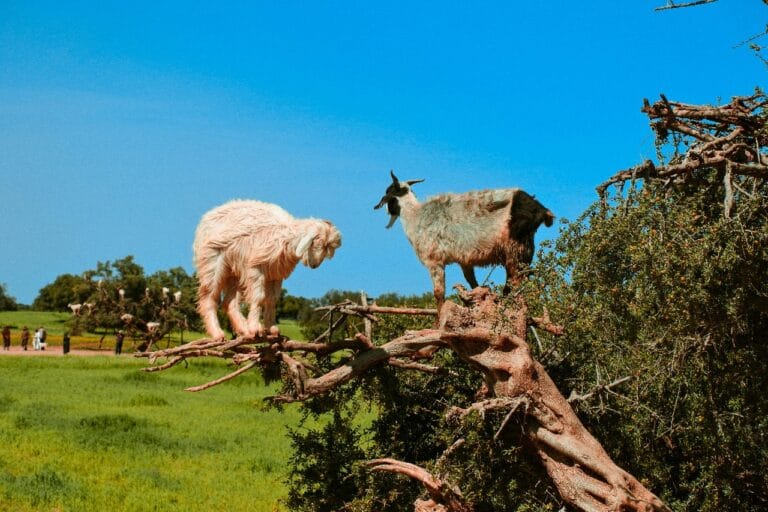
Cuisine in Morocco: History, Culture, and the Living Heritage of Food
Introduction: Why Cuisine Matters in Understanding Morocco
Cuisine in Morocco is not merely a collection of recipes or flavors; it is a living archive of history, ecology, belief systems, and social organization. Food functions as a cultural language through which communities express identity, hierarchy, memory, and belonging. In Moroccan society—particularly within Amazigh (Berber) communities—culinary practices preserve ancient knowledge systems that long predate written history.
To study Moroccan cuisine academically is to study Morocco itself: its mountains and plains, its seasons and migrations, its rituals of hospitality and survival. Every ingredient carries geographical memory; every cooking method encodes social knowledge. This article approaches cuisine in Morocco as an anthropological and historical system, not as gastronomy alone.
Table of Contents
Historical Foundations of Cuisine in Morocco
Pre-Islamic Amazigh Food Systems
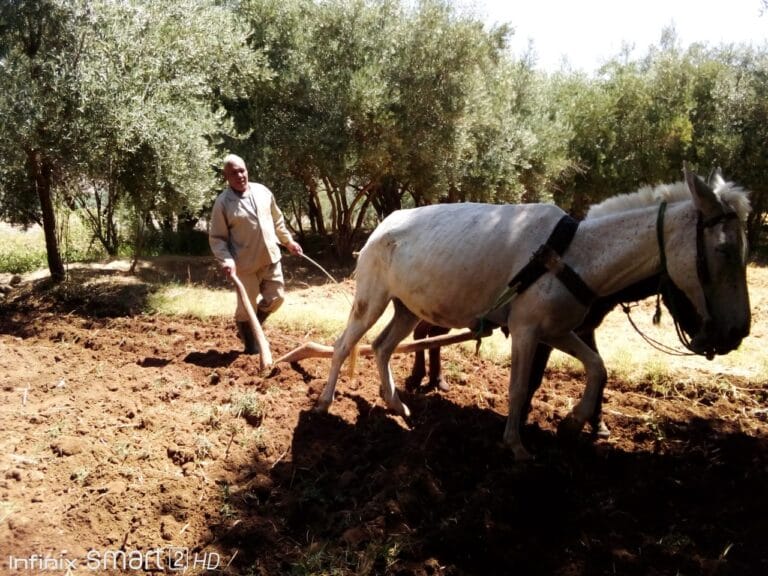
Long before external empires reached North Africa, Amazigh communities developed sustainable food systems adapted to harsh and varied environments. In the Atlas Mountains, semi-nomadic pastoralism shaped diets based on barley, dairy, wild herbs, and preserved meats. In river valleys and coastal plains, agriculture introduced legumes, olives, and seasonal vegetables.
Key characteristics of early Amazigh cuisine included:
- Reliance on local grains such as barley and sorghum
- Fermentation and drying for food preservation
- Communal cooking and shared consumption
- Seasonal rotation of foods based on agricultural cycles
Food was inseparable from land stewardship and spiritual belief. Eating was not an individual act but a collective ritual.
Islamic, Andalusian, and Trans-Saharan Influences
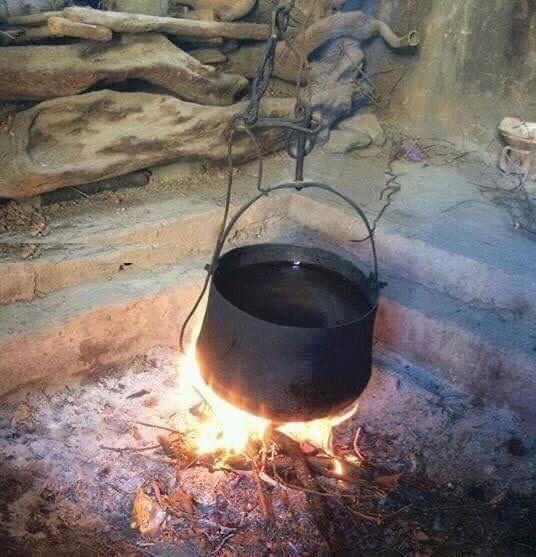
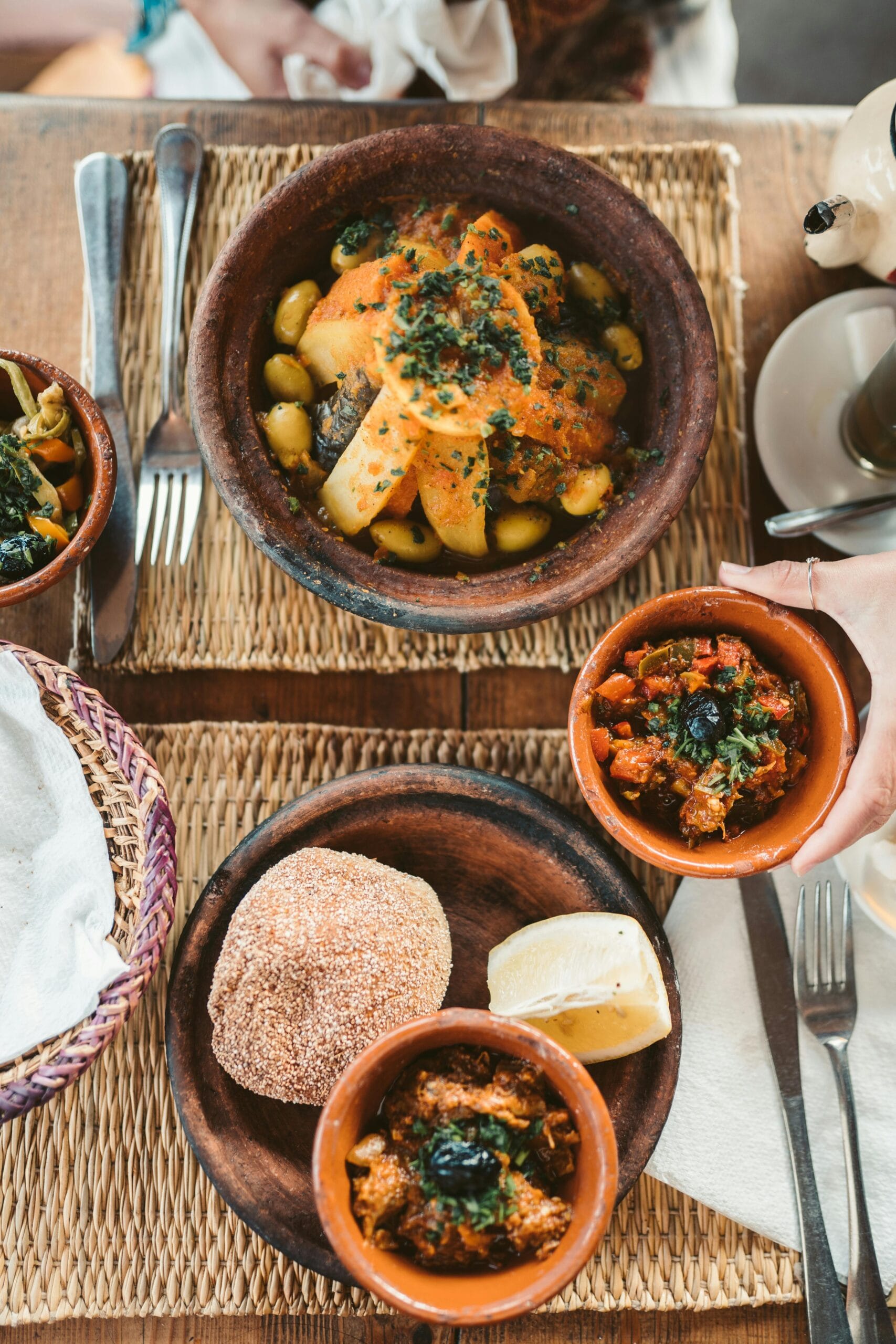
With the arrival of Islam and later Andalusian refugees, Moroccan cuisine absorbed new ingredients and techniques without erasing its Amazigh core. Spices such as cumin and coriander, cooking vessels like the tajine, and new culinary aesthetics entered local traditions.
Trans-Saharan trade routes introduced:
- Dates and dried fruits
- Spices and sugar
- Techniques of preservation and flavor layering
Rather than replacing indigenous foodways, these influences were integrated selectively, producing regional hybrids rooted in Amazigh culinary logic.
Anthropological Dimensions of Moroccan Cuisine
Food as Social Structure
In Moroccan society, meals reflect social organization. Seating arrangements, portion distribution, and eating order signal age, gender, and status. In Amazigh villages, the communal dish placed at the center reinforces equality and interdependence.
Food mediates:
- Kinship relations
- Gender roles (especially women’s culinary authority)
- Community solidarity
Cooking knowledge is transmitted orally and practically, from elders to youth, often without formal instruction.
Hospitality as Moral Obligation
Hospitality in Morocco is a moral economy expressed through food. Offering bread, tea, and meals to guests is not optional; it is a social duty rooted in Amazigh ethics of collective survival.
Refusing food can signify disrespect, while sharing scarce resources affirms honor and dignity.
Regional Diversity of Cuisine in Morocco
High Atlas Mountains
High Atlas cuisine reflects altitude, cold winters, and pastoral life. Typical features include:
- Barley bread baked on stone
- Dairy products such as fermented butter
- Hearty stews using dried legumes
Meals emphasize caloric density and long preservation.
Sous Region
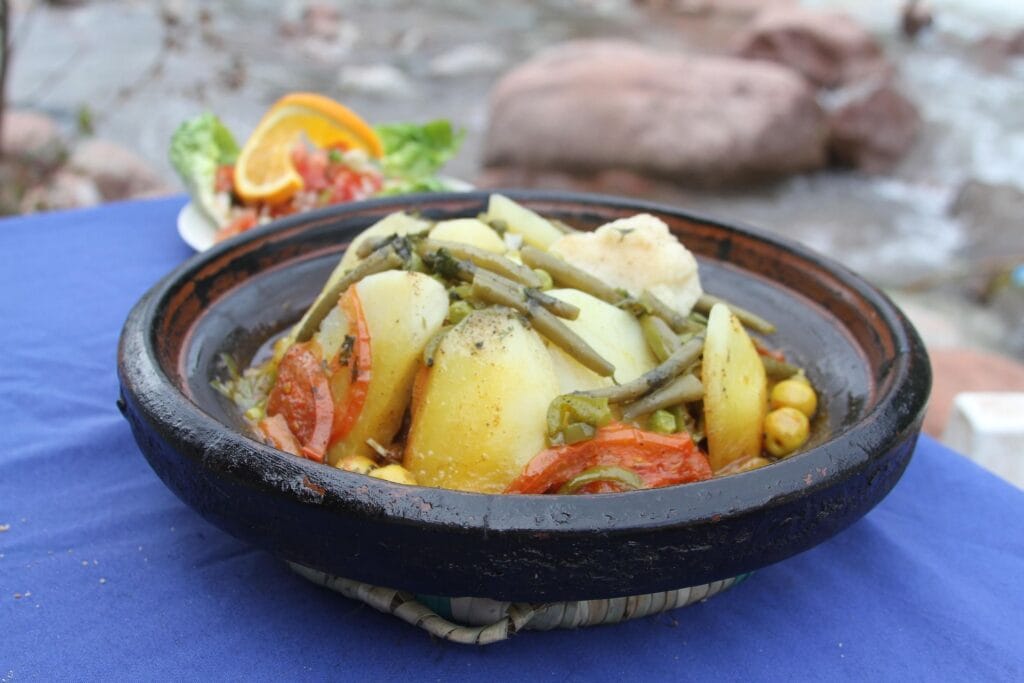
The Sous region is renowned for:
- Amlou (almond, argan oil, honey paste)
- Use of argan oil as a culinary fat
- Flatbreads cooked on clay or metal surfaces
Food here reflects Amazigh agricultural innovation and ecological adaptation.
Middle Atlas
In cedar forest regions, cuisine includes:
- Game meats
- Wild herbs
- Dairy-based dishes
Seasonality is especially pronounced, with diets shifting dramatically across the year.
Coastal and Urban Regions
Urban centers like Fez and Marrakech developed refined culinary traditions influenced by court culture, while coastal regions integrated seafood and Mediterranean techniques.
Symbolic and Ritual Dimensions of Food
Food in Life-Cycle Rituals
In Moroccan culture, food marks transitions:
- Birth celebrations involve sweetened dishes symbolizing abundance
- Weddings feature elaborate meals affirming social alliances
- Funerary meals express collective mourning and remembrance
Each dish carries encoded meaning understood within the community.
Sacred Foods and Seasonal Ceremonies
Agricultural rituals involve specific foods prepared at key moments:
- Harvest meals thanking ancestral spirits
- New Year dishes symbolizing renewal
- Sacrificial meals reinforcing communal bonds
Food becomes a medium between human and spiritual realms.
Gender, Knowledge, and Culinary Authority
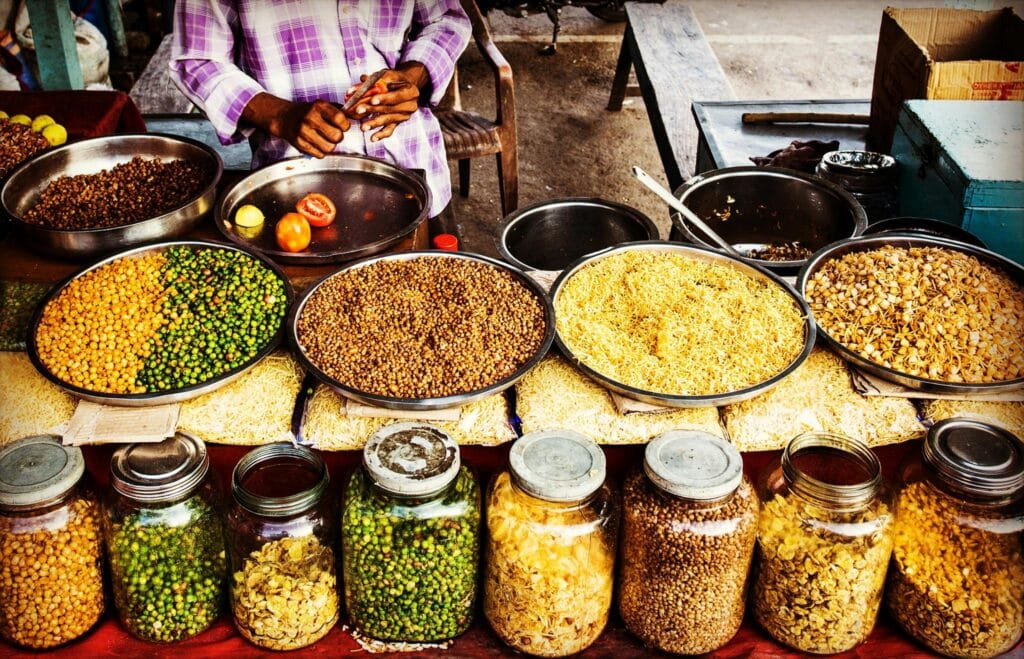
Women are the primary custodians of culinary knowledge in Morocco. Their expertise extends beyond cooking into nutrition, medicine, and ritual timing. Recipes are not written but embodied through practice.
Culinary skill grants:
- Social respect
- Authority within the household
- Intergenerational influence
This knowledge system represents an undervalued intellectual heritage.
Modern Transformations of Moroccan Cuisine
Urbanization and Globalization
Urban life has altered food habits through:
- Industrial ingredients
- Restaurant culture
- Reduced time for traditional preparation
However, traditional dishes remain markers of identity, especially during festivals.
Tourism and Culinary Representation
Tourism has commodified Moroccan cuisine, often simplifying complex traditions. While this increases visibility, it risks flattening regional diversity.
Authentic knowledge survives primarily in rural and family contexts.
Cuisine as Intangible Cultural Heritage
Cuisine in Morocco qualifies as intangible heritage due to:
- Oral transmission
- Community-based practice
- Ecological embeddedness
Preserving food traditions means preserving language, land, and social memory.
Conclusion: Preserving the Living Heritage of Moroccan Cuisine
Cuisine in Morocco is not a relic of the past but a living system that continues to adapt while preserving deep historical roots. Especially within Amazigh communities, food remains a form of cultural resistance, continuity, and identity.
Documenting, respecting, and sustaining these traditions is essential—not only for Morocco, but for global cultural heritage. Food tells stories that archives cannot, carrying wisdom shaped by centuries of human-environment interaction.
References & Further Reading
- Montagne, R. Berbers and the Makhzen
- Hart, D. Tribe and Society in Rural Morocco
- Oral histories from Amazigh communities (High Atlas, Sous, Middle Atlas)
- Anthropological field studies on North African food systems
Call to Action
Explore more in-depth studies of Amazigh culture, food traditions, and living heritage on iwziwn.com, where history is preserved through knowledge, respect, and community memory.