Amazigh Pottery: The Living Art of Morocco
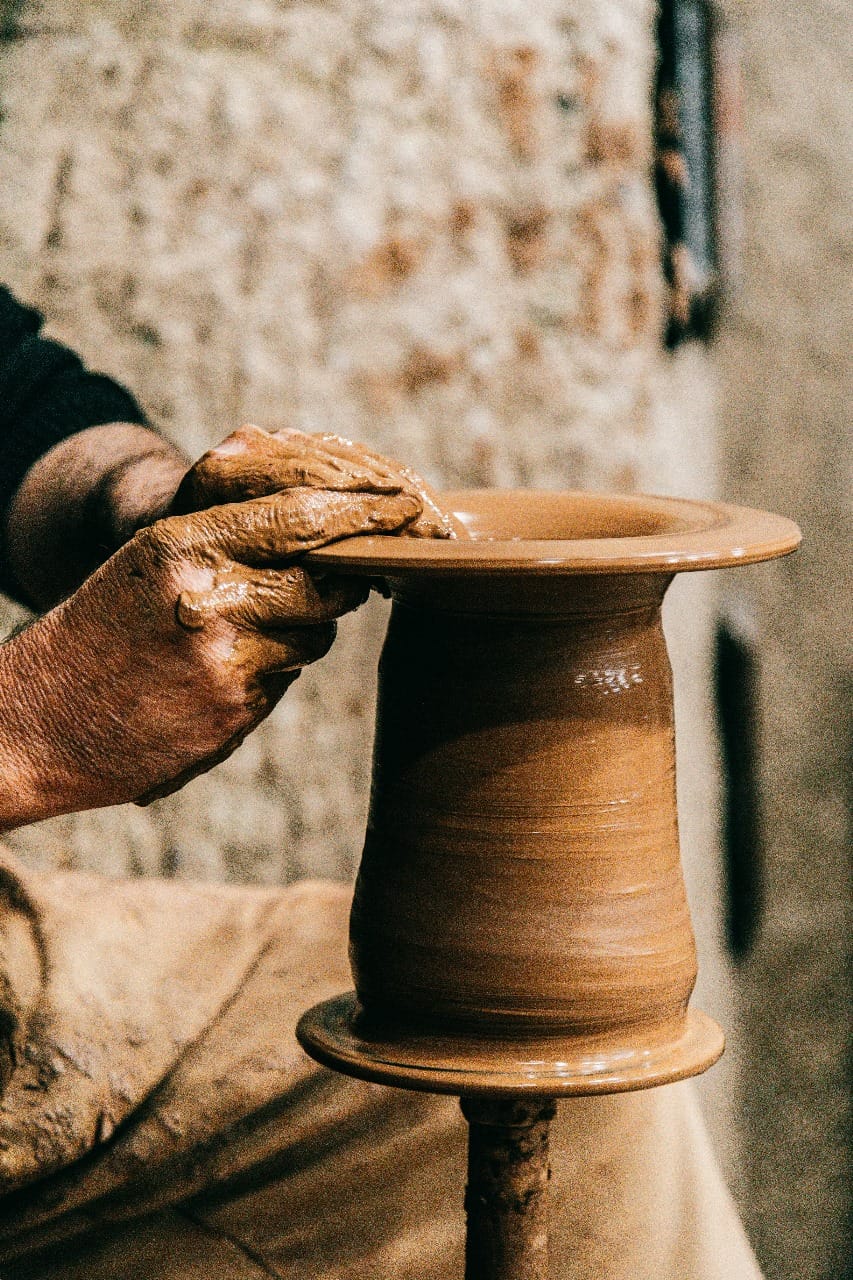
Introduction – Amazigh Pottery: Clay, Memory, and Heritage
Amazigh pottery is one of Morocco’s most distinctive traditional crafts, shaped by the relationship between people, land, and everyday life. Across the Rif, Middle Atlas, High Atlas, Souss, and Anti-Atlas, local communities have developed pottery traditions adapted to their environment and practical needs.
These vessels were traditionally made for storing water, grains, milk, butter, and other household products. Yet their importance goes beyond their practical function. Shapes, surface treatments, colors, and geometric decoration can carry cultural meanings, although their interpretation varies from one community and region to another.
For generations, women have played an important role in making and transmitting many rural pottery traditions. Their knowledge includes selecting and preparing clay, forming vessels by hand, decorating surfaces, and managing the firing process.
Today, Amazigh pottery remains an important part of Morocco’s living cultural heritage. Some traditions have declined as industrial containers and mass-produced ceramics have become widespread, while others are being renewed through artisans, cooperatives, cultural initiatives, and growing interest in handmade crafts.
This article invites you to explore the deep world of Amazigh pottery: its origins, symbols, and spiritual dimensions. You’ll learn how this humble craft has shaped the cultural and emotional fabric of Morocco’s indigenous Amazigh people — especially through the hands of women who are its eternal guardians.
Table of Contents
The Origins of Amazigh Pottery – A Tradition Shaped by the Earth
The Earth as a Material and Cultural Resource
Pottery begins with a simple relationship between people and their environment: finding suitable clay, adding water, shaping it, and transforming it through drying and firing. In rural Morocco, these processes were closely connected to local landscapes and available resources.
Rather than treating Berber pottery as a single uniform tradition, it is more accurate to understand it as a collection of regional practices. Different communities developed their own vessel forms, decorative techniques, firing methods, and uses according to local conditions and cultural preferences.
For Amazigh communities, clay isn’t just a resource; it’s a living being — “Akal”, the Earth Mother. From her, people learned patience, creation, and resilience. Early Amazigh tribes developed pottery long before metalworking reached North Africa. Archaeological finds in Aït Ouaouzguit, Aït Atta, and Tiznit reveal clay vessels dating back over 3,000 years, showing continuity from prehistoric North African Berbers to modern Amazigh villages.
From Everyday Utility to Cultural Expression
Traditional pottery was closely connected to household life. Large vessels could be used to store water or food, while smaller containers served particular domestic or ceremonial purposes.
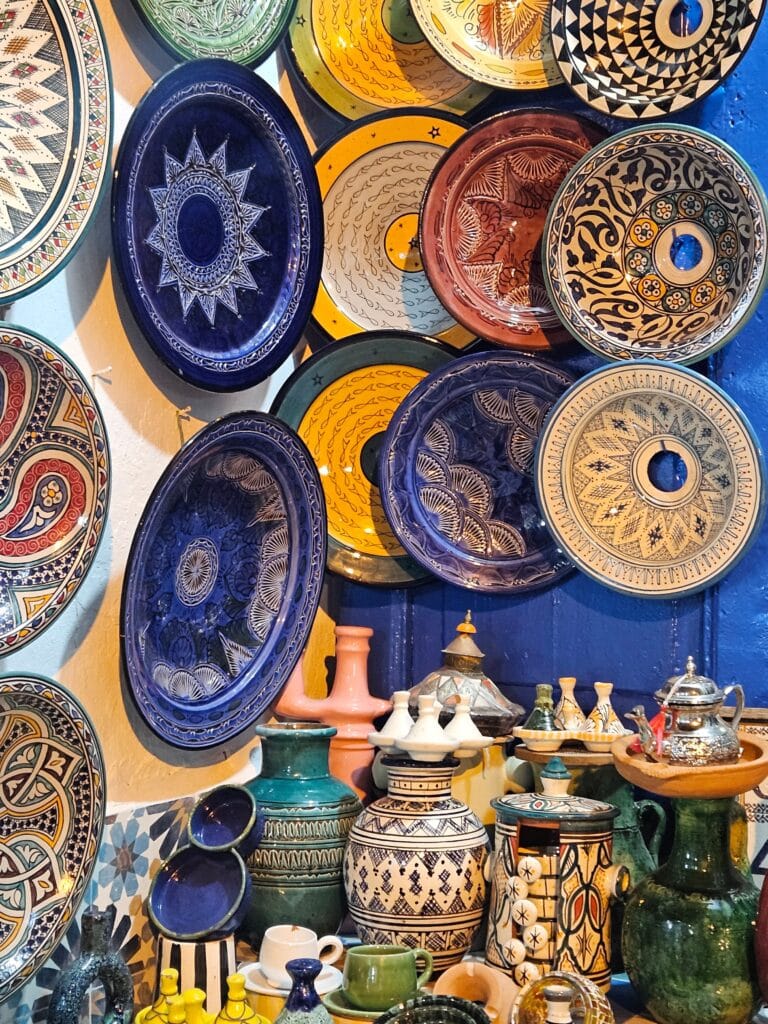
Decoration added another dimension. Geometric forms, lines, dots, and other motifs appear across different Moroccan pottery traditions, but their meanings should not automatically be treated as universal. A symbol may have a particular interpretation in one community and a different meaning—or no specific symbolic meaning—in another.
This regional diversity is one of the reasons Amazigh pottery is so valuable for understanding Morocco’s cultural landscape.
From Function to Symbolism
Originally, pottery had a purely functional purpose — for storing grains, carrying water, and preserving butter (smen). But gradually, its ornamentation became language. Amazigh women began to inscribe geometric and symbolic patterns — triangles for fertility, zigzags for water, diamonds for protection, and dots for cosmic balance.
“To decorate a pot,” said an old potter from Tamegroute, “is to speak with clay, to tell the story of life without words.”
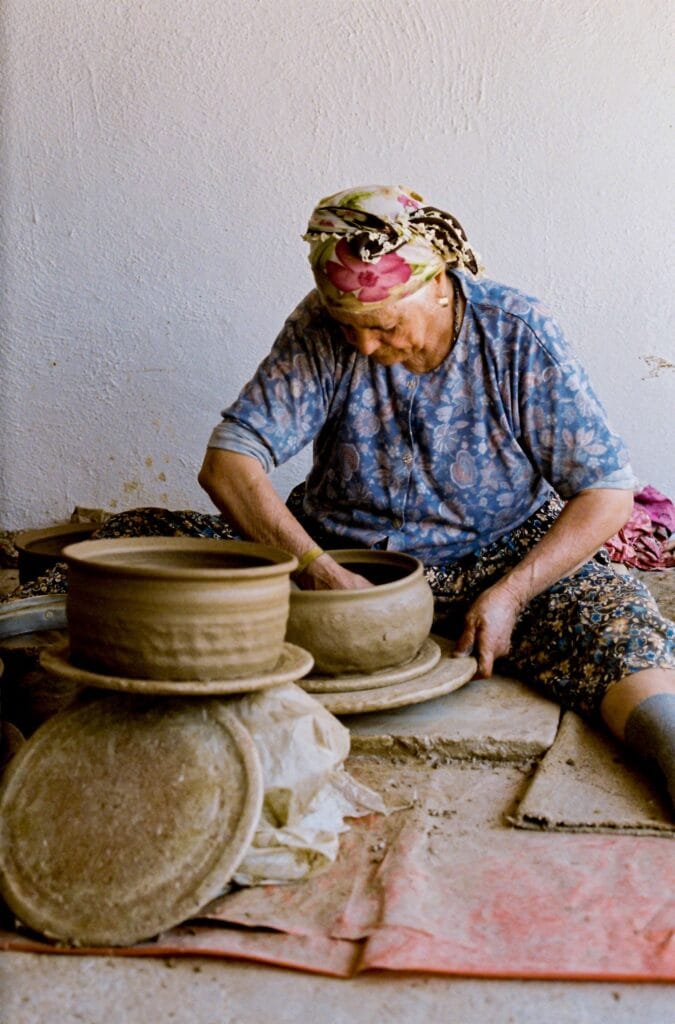
The Role of Women – Keepers of Fire and Memory
Pottery as a Woman’s Domain
In most Amazigh villages, pottery remains a female art. Men may gather the clay or manage transport, but it is women who mold, decorate, and fire it. Their techniques pass from mother to daughter — an oral university of hand movements and ancestral secrets.
Amazigh women often gather near water sources — where clay is abundant — to shape pots in small cooperatives. This communal act blends craftsmanship with sisterhood. Songs, stories, and jokes accompany the process, turning labor into celebration.
Symbolism in Women’s Work
In many rural Amazigh communities, pottery making has traditionally been strongly associated with women. Knowledge was often learned informally within families, with younger generations observing and gradually practicing the techniques used by mothers, grandmothers, and other experienced artisans.
This transmission involved much more than learning how to shape clay. It included knowledge of suitable materials, vessel proportions, decoration, drying conditions, firing, and the appropriate use of particular objects.
For this reason, pottery can also be viewed as a form of intangible cultural knowledge. The finished vessel is only one part of the tradition; the techniques and knowledge required to create it are equally important.
For Amazigh women, decorating pottery is not about aesthetics — it’s spiritual communication. Each pattern has ritual meaning:
- Triangles: Represent femininity, fertility, and the womb.
- Zigzags: Symbolize rivers and the continuity of life.
- Crosses and dots: Express harmony between the visible and invisible worlds.
- Fish bones and eyes: Protect from evil forces.
Women use a mixture of natural pigments — iron oxide for red, manganese for black, and kaolin for white — connecting their art directly to the land’s minerals.
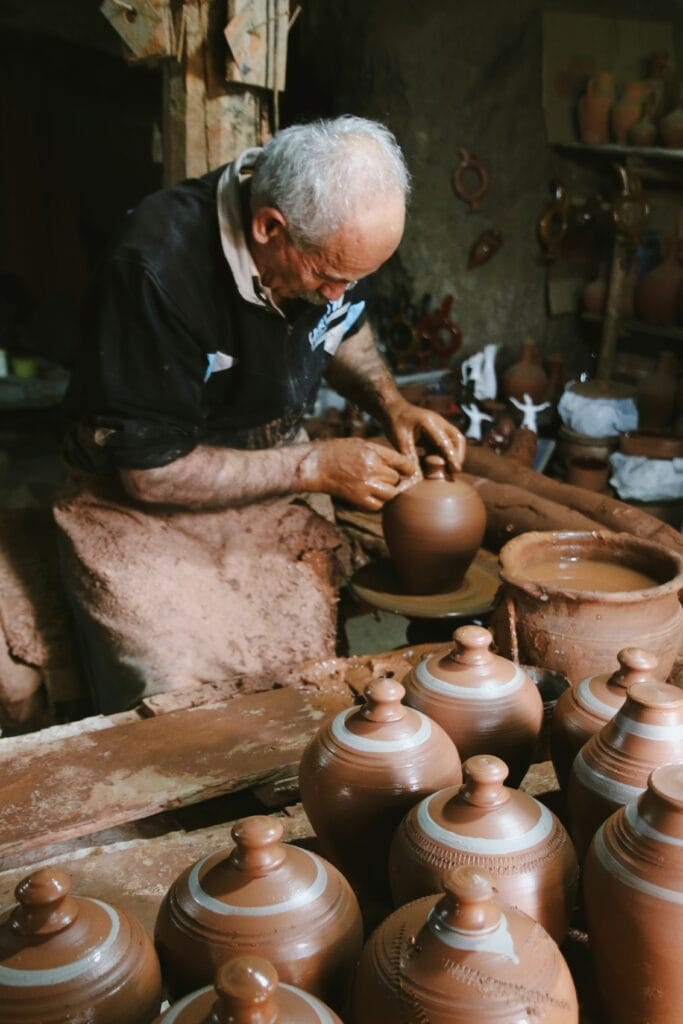
The Process – From Clay to Cultural Identity
Step-by-Step: How Traditional Amazigh Pottery Is Made
Traditional pottery techniques vary considerably between Moroccan regions, but the basic process usually involves several stages.
1. Preparing the clay: Suitable clay is collected locally and cleaned or prepared before use.
2. Mixing and kneading: Water is added gradually until the clay reaches a workable consistency.
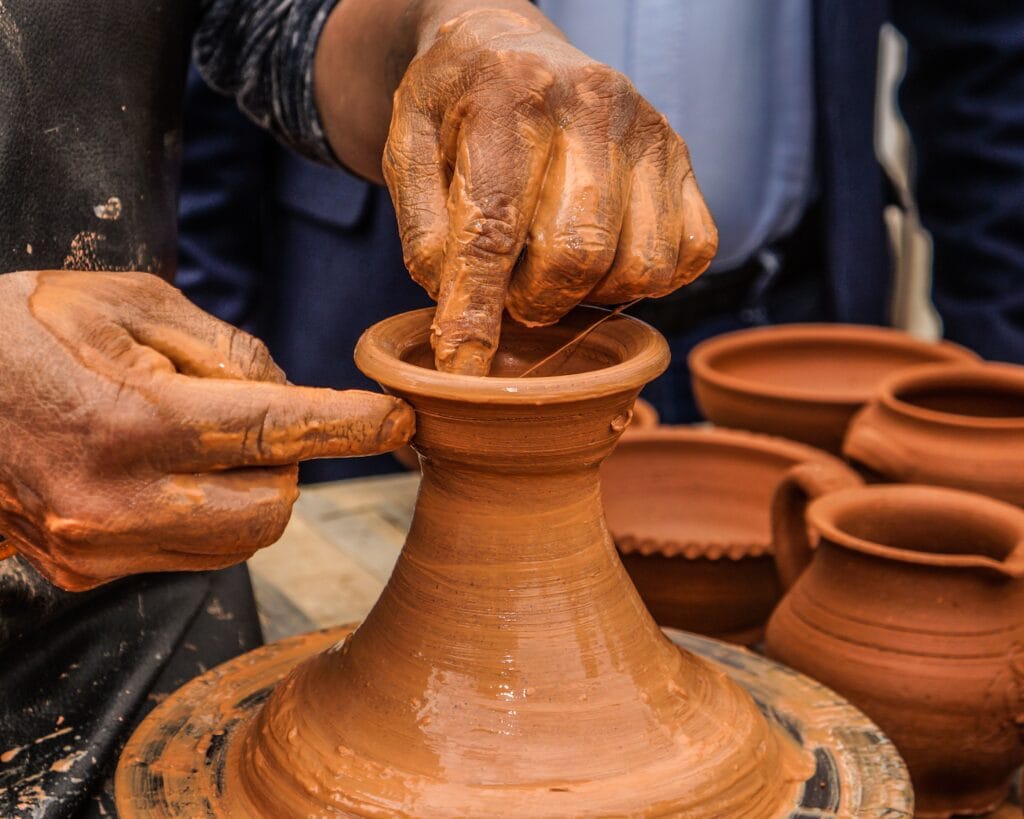
3. Shaping: Many traditional rural pieces are formed by hand rather than on a pottery wheel. The artisan gradually builds the vessel into its intended shape.
4. Drying: The unfinished pot is allowed to dry before firing. Controlled drying is important because excessive moisture can cause cracking.
5. Decorating: Depending on the tradition, surfaces may be incised, painted, polished, or left relatively plain.
6. Firing: The dried vessels are fired using traditional kilns or open firing methods. Temperature and firing conditions strongly influence the final color, strength, and appearance.
The process is slow compared with industrial pottery, but that is precisely what makes handmade pottery distinctive: every piece reflects the materials, techniques, and decisions of its maker.
Below is a detailed overview of how Amazigh pottery is traditionally made — still practiced today in villages across the Atlas:
| Stage | Description | Cultural Meaning |
|---|---|---|
| Clay Gathering | Women collect clay from riverbanks or dry beds. | A sacred act — returning to the source. |
| Kneading (Adrar n-tikint) | The clay is mixed with water and feet or hands until smooth. | Symbol of unity and patience. |
| Shaping (Tighzert) | Pots are shaped by hand — no wheel used in many villages. | Reflects simplicity and harmony with nature. |
| Drying (Asough) | Left to dry under shade for days. | Represents maturation and waiting. |
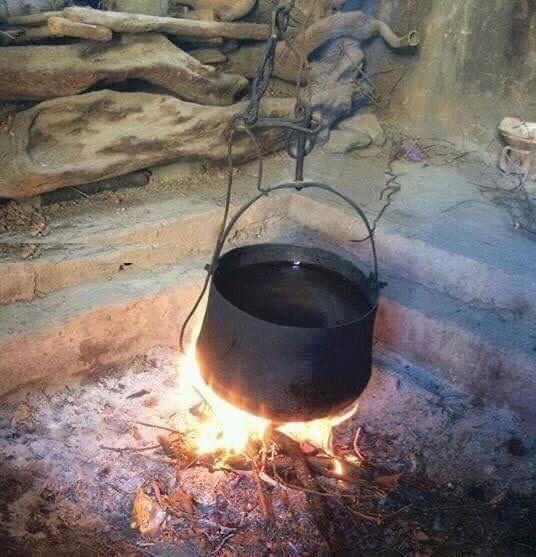
| Firing (Tazwit) | Fired in open-air kilns or domes with wood and straw. | Symbol of purification by fire. |
| Decoration (Tazrart) | Painted with geometric symbols before final firing. | The soul of the piece — where magic lives. |
This process takes 7 to 15 days — a slow rhythm that reflects the Amazigh philosophy of timeless patience.
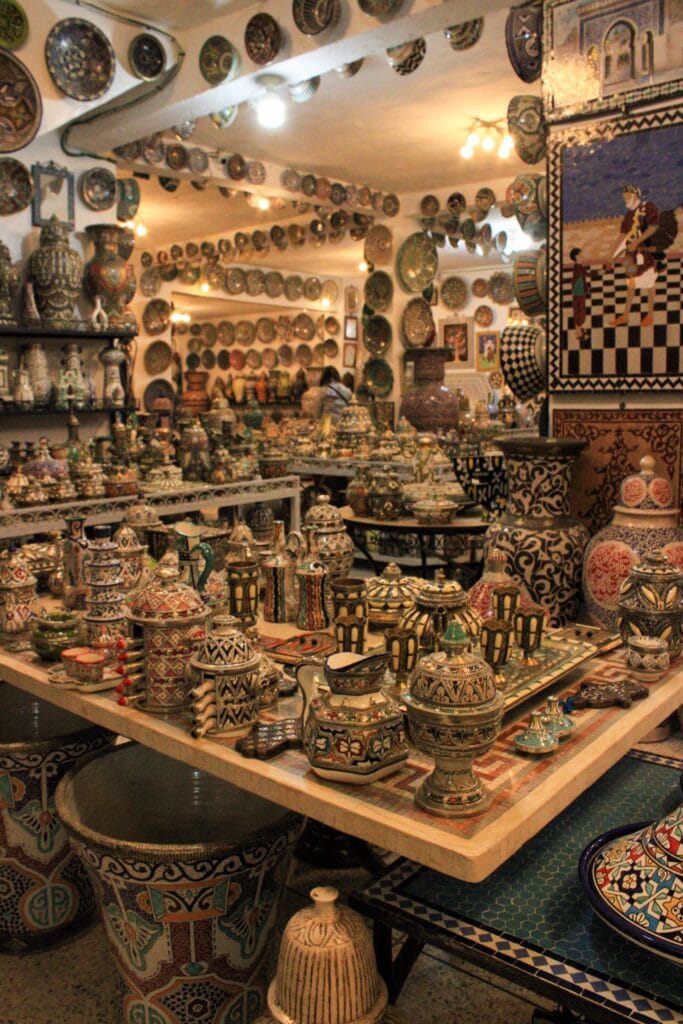
Regional Styles of Amazigh Pottery in Morocco
Rif Pottery (Northern Morocco)
Pottery traditions in northern Morocco include distinctive forms and decorative styles associated with Rif communities. Handmade vessels have historically served practical household purposes, while geometric decoration gives many pieces a recognizable regional character.
The Rif Amazigh women (Tarifit speakers) produce pottery known for its earthy tones and vertical motifs. Their jars are often tall and narrow — used for water and milk. The decoration features red and black linear patterns, emphasizing balance and duality.
Middle Atlas Pottery
In the Middle Atlas, pottery traditions developed within mountain communities where locally available materials shaped both production and design. Functional vessels may feature relatively restrained decoration, emphasizing form, texture, and handmade character.
Here, pottery is functional yet richly symbolic. Women of Aït Youssi and Aït Seghrouchen craft pots for both domestic and ritual uses. Their art tends to be less colored but deeply engraved, focusing on texture and relief.
High Atlas and Souss Pottery
The High Atlas and Souss contain several pottery traditions associated with Amazigh-speaking communities. Local pieces may display earthy colors and geometric decoration, while their uses range from household storage to objects connected with particular social or ceremonial contexts.
The Tachelhit-speaking regions of Souss and High Atlas are known for reddish pottery with black geometric designs. In areas like Tiznit, Aït Baamrane, and Aoulouz, pottery accompanies ceremonies — storing smen, argan oil, or milk offered during weddings and moussems.
Anti-Atlas and Sahara Pottery
In the Anti-Atlas and southern regions, pottery traditions reflect dry environments and local lifestyles. Forms can be robust and practical, demonstrating how traditional craft adapted to the needs of communities living in challenging landscapes.
In the desert fringes, pottery becomes simpler and more robust — adapted to nomadic needs. Pots are thicker, fired at lower temperatures, and decorated minimally, often with incised lines representing dunes and stars.
The Spiritual Dimension – Clay as a Bridge Between Worlds
In Amazigh cosmology, earth, water, fire, and air are sacred elements. Pottery combines them all, becoming a ritual object rather than a mere utensil.
During some agricultural rituals or weddings, pots are broken to ward off evil spirits — an act symbolizing renewal. In others, they’re filled with milk or honey as offerings to ancestors.
“The pot holds not just food,” says one artisan from Aït Atta, “it holds memory — of the land, of mothers, of blessings.”
What Makes Amazigh Pottery Different from Industrial Ceramics?
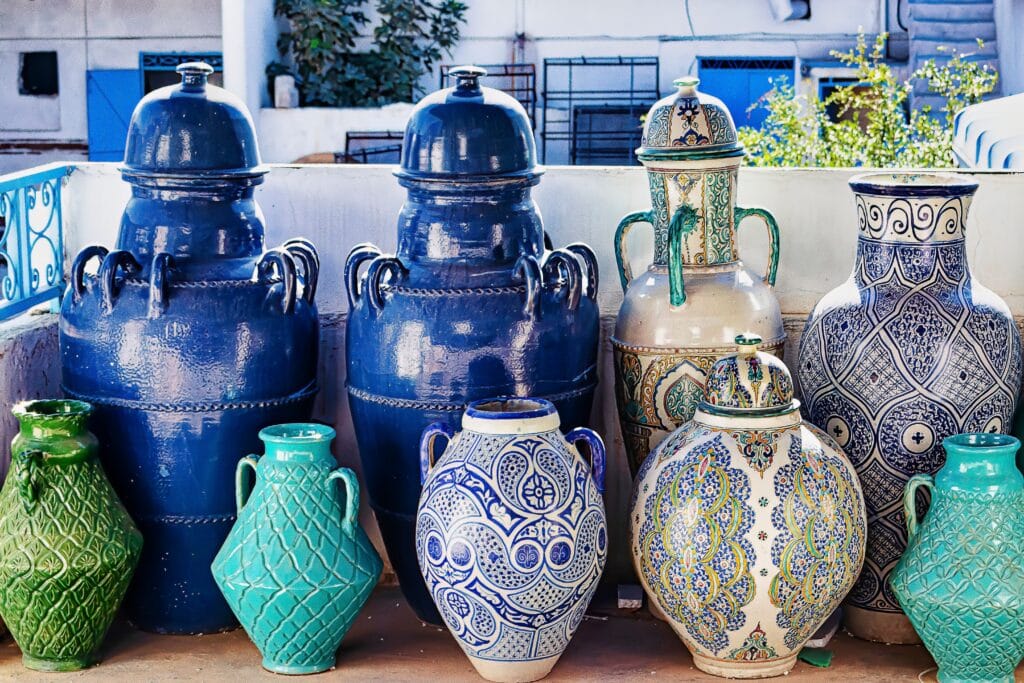
One of the clearest differences is the relationship between the object and the person who makes it. Industrial ceramics are generally produced through standardized processes designed for consistency, while traditional Amazigh pottery often preserves handmade variations in shape, surface, color, and decoration.
The difference is also cultural. A traditional vessel can reflect local materials, inherited techniques, household practices, and regional aesthetics. Its value therefore cannot always be measured simply by its appearance or function.
For cultural travelers and collectors, this distinction is important. Buying directly from artisans or reputable cooperatives can help support the people who continue to maintain these skills.
Why Amazigh Pottery Matters to Moroccan Heritage
Amazigh pottery offers a window into several aspects of Moroccan cultural history at once. It reveals how communities used local resources, organized domestic life, transmitted knowledge, and expressed aesthetic preferences through everyday objects.
It also demonstrates that heritage is not limited to monuments and historic buildings. A clay vessel can represent a living tradition just as meaningfully as an ancient architectural site, particularly when the techniques behind it continue to be practiced.
For this reason, protecting Amazigh pottery means protecting both objects and knowledge: the finished vessels, the raw materials, the techniques, the vocabulary, the stories, and the people who keep the craft alive.
Amazigh Pottery in the Modern World
Amazigh pottery now exists between tradition and innovation. Some artisans continue to produce vessels using techniques learned within their families, while others adapt traditional forms for contemporary homes, tourism, interior decoration, and international craft markets.
This creates both opportunities and challenges. Growing demand can provide income for artisans and help maintain traditional skills, but commercialization can also encourage simplified designs or mass-produced objects marketed as “traditional.”
The future of Amazigh pottery therefore depends not simply on selling more products, but on ensuring that artisans retain control over their knowledge, receive fair compensation, and have opportunities to teach their techniques to younger generations.
From Village to Gallery
Today, Amazigh pottery has transcended its village boundaries. Many artisans now work in cooperatives supported by Moroccan cultural organizations and UNESCO’s Intangible Heritage programs. Their work is showcased in exhibitions from Marrakech to Paris, connecting global audiences to local traditions.
Challenges of Modernization
However, modernization threatens the survival of traditional pottery. Mass-produced ceramics and plastic containers have replaced many clay vessels in daily life. Younger generations often migrate, leaving fewer artisans behind.
Still, in places like Tamegroute, Aït Khozema, and Aït Ouaouzguit, potters continue their ancestral practice — balancing between tradition and innovation.
Amazigh Pottery and Traditional Sustainability
Traditional pottery can also provide useful lessons about local resource use. Artisans historically worked with materials available within their surrounding environment and produced objects intended for practical, long-term use.
Clay vessels could replace some disposable or manufactured containers, while traditional production relied heavily on local knowledge rather than complex industrial infrastructure.
However, it is important not to describe all traditional pottery as automatically “zero waste” or environmentally harmless. Clay extraction, fuel consumption during firing, and transportation can still have environmental impacts.
The more meaningful lesson is that Amazigh pottery demonstrates how local materials, repairable objects, inherited skills, and community-based production can form part of a more sustainable relationship with material culture.
Amazigh pottery offers valuable lessons for sustainability:
- Zero waste: Clay waste is recycled.
- Natural pigments: No chemicals used.
- Low energy: Firing often uses renewable materials like wood and straw.
- Local economy: Pottery supports women’s cooperatives and cultural tourism.
These principles align perfectly with modern eco-conscious living, proving that ancient crafts hold solutions for the future.
Amazigh Pottery and Identity – The Language of Symbols
Pottery in Amazigh culture functions like oral literature — each pattern tells a story. Anthropologists like Mohamed Chafik and David Hart have documented how these symbols echo Tamazight language structures: repetition, symmetry, and abstraction.
The craft becomes an unwritten script of identity, especially for Amazigh women who historically had limited access to formal literacy. Through pottery, they wrote their culture in clay.
Preserving the Craft – Education and Revival Projects
Cooperatives and Cultural Associations
Across Morocco, numerous projects are working to preserve pottery traditions:
- Cooperative Tiznit Amazigh Artisanal – Training young women in design and firing.
- IRCAM’s Cultural Heritage Program – Documenting Amazigh symbols and oral traditions.
- UNESCO’s “Living Human Treasures” initiative – Supporting artisans as heritage transmitters.
Teaching the Craft to the Next Generation
Educational programs now integrate pottery workshops into rural schools. Children learn not only handcrafting skills but also respect for their Amazigh identity — connecting cultural heritage to self-esteem and creativity.
Did You Know? 8 Facts About Amazigh Pottery
- Amazigh pottery varies greatly by region, so there is no single Moroccan Amazigh pottery style.
- Many traditional pieces were designed primarily for everyday household use, not decoration.
- Hand-forming remains an important technique in several rural pottery traditions.
- Women have played a major role in transmitting pottery knowledge in many Amazigh communities.
- Local clay can influence the color and texture of finished pottery.
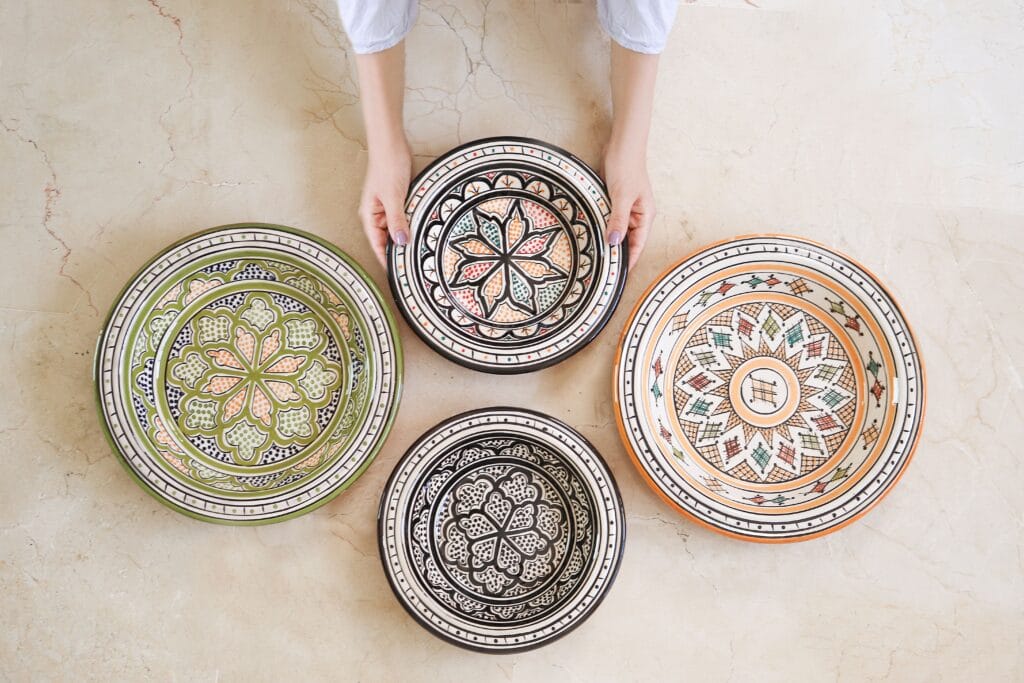
- Geometric decoration is common, but symbolic meanings are not necessarily universal across Amazigh communities.
- Traditional pottery reflects knowledge of clay, water, drying, fire, and local environmental conditions.
- Contemporary artisans increasingly combine traditional techniques with new designs and markets.
FAQs about Amazigh Pottery
What is Amazigh pottery?
Amazigh pottery refers to traditional pottery made within Amazigh communities of Morocco and other parts of North Africa. It includes different regional techniques, forms, decorative styles, and practical uses.
Where is Amazigh pottery made in Morocco?
Traditional pottery can be found in several regions, including the Rif, Middle Atlas, High Atlas, Souss, Anti-Atlas, and southern Morocco. Each region has its own traditions and variations.
Is Amazigh pottery handmade?
Much traditional rural Amazigh pottery is handmade, although contemporary artisans may combine traditional techniques with modern tools and production methods.
Who traditionally makes Amazigh pottery?
Women have historically been important pottery makers in many rural Amazigh communities, particularly in traditions where skills are transmitted within families.
What is Amazigh pottery used for?
Traditional pottery has been used for storing and serving water, milk, grains, butter, and other household products. Some pieces also have ceremonial or decorative purposes.
What symbols appear on Amazigh pottery?
Geometric forms such as lines, triangles, diamonds, dots, and zigzags may appear on pottery. Their meanings vary by region and community, so they should not be interpreted as having one universal meaning.
Where can I buy authentic Amazigh pottery in Morocco?
Travelers can find traditional pottery in local markets, artisan workshops, and cooperatives. Buying directly from established artisans or cooperatives is generally a better way to support living craft traditions.
Is Amazigh pottery still made today?
Yes. Although industrial products have reduced the everyday use of some traditional vessels, artisans and cooperatives continue to produce Amazigh pottery for local and international markets.
Why is Amazigh pottery important?
It preserves practical knowledge, artistic traditions, regional identity, and relationships between communities and their environment. It is therefore both a craft and an important part of living cultural heritage.
What should travelers look for when buying Amazigh pottery?
Look for handmade pieces, ask about their origin and production method, and purchase from artisans or reputable cooperatives when possible. This helps distinguish genuinely local craftsmanship from mass-produced products.
What makes Amazigh pottery unique?
Amazigh pottery is entirely handmade using ancestral techniques, decorated with symbolic geometric patterns that represent nature, fertility, and protection.
Who are the main artisans of Amazigh pottery?
Primarily women in rural Amazigh communities, especially in the Atlas Mountains, who transmit their craft through generations.
Where can I find authentic Amazigh pottery?
You can find it in local markets in Tiznit, Aït Benhaddou, and Tamegroute, or through certified cooperatives that preserve traditional methods.
What materials are used in Amazigh pottery?
Local clay, natural pigments (iron oxide, manganese), water, and straw for firing.
How is pottery connected to Amazigh identity?
It’s an artistic language expressing spirituality, gender roles, and the bond between people and land — a living archive of Amazigh heritage.
Conclusion – Amazigh Pottery as Living Moroccan Heritage
Amazigh pottery is much more than handmade clay. It brings together local materials, practical knowledge, artistic expression, and generations of cultural memory. From the Rif and Atlas Mountains to the Souss and Anti-Atlas, its regional diversity reflects the richness of Morocco’s Amazigh heritage.
Although modern life has changed how pottery is produced and used, the tradition continues through artisans, families, cooperatives, and cultural initiatives. Supporting these makers means helping preserve not only beautiful objects, but also the knowledge and skills behind them.
When you discover an Amazigh pot, look beyond its shape and decoration. You are looking at a small piece of Morocco’s living cultural history.
Amazigh pottery is not a relic of the past — it’s a breathing tradition. Each pot carries within it the essence of the mountains, the warmth of fire, and the wisdom of generations of women who shaped life from dust.
As you learn about this art, you’re not just discovering objects — you’re rediscovering a worldview. A philosophy where humans, earth, and spirit are one.
“To touch clay,” says an Amazigh proverb, “is to touch the beginning of all things.”
Call to Action
If this article inspired you, explore more about Amazigh crafts, language, and art on iwziwn.com. Support local artisans, share their stories, and help preserve Morocco’s living heritage.
References
FAO: Women and Rural Craft Economies in North Africa, 2019
UNESCO Intangible Heritage Database – Traditional Pottery of Morocco
IRCAM (Institut Royal de la Culture Amazighe) – Research on Amazigh Art and Symbolism
Mohamed Chafik, Le Manifeste Amazigh, 2000
David M. Hart, The Aith Waryaghar of the Moroccan Rif, 1976