Moroccan Culture, History & Heritage: An Academic Exploration of Amazigh Foundations and National Identity
Introduction: Understanding Morocco Through Culture and Historical Continuity
To study Moroccan culture, history, and heritage is to engage with a layered civilization shaped by millennia of continuity, adaptation, and exchange. Morocco is not merely a geographic space at the crossroads of Africa and Europe; it is a cultural system, where indigenous Amazigh traditions intersect with Islamic, Arab, African, Andalusian, and Mediterranean influences.
At the core of this system lies the Amazigh (Berber) substrate, which predates all subsequent cultural layers. This indigenous foundation provides the structural logic through which Moroccan society organizes:
- Social relations
- Spatial environments
- Symbolic systems
- Economic practices
Thus, Moroccan culture cannot be understood without situating Amazigh heritage as both historical origin and ongoing presence.
This article approaches Moroccan culture as:
- A historical continuum rather than a static identity
- A plural system shaped by regional diversity
- A symbolic universe encoded in language, craft, and ritual
- A living heritage negotiating modern transformations
Table of Contents
I. Historical Foundations of Moroccan Culture
1. Prehistoric and Indigenous Amazigh Origins
The earliest cultural formations in Morocco are linked to prehistoric populations whose descendants are today identified as Amazigh. Archaeological evidence—including rock art, burial sites, and early agricultural systems—indicates long-standing human settlement structured around adaptation to diverse environments.
Amazigh societies developed:
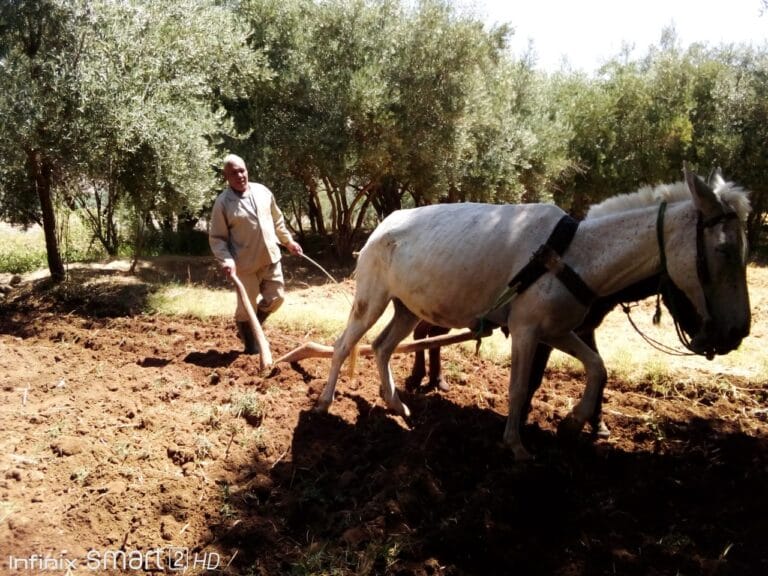
- Agro-pastoral economies
- Clan-based social organization
- Oral traditions preserving genealogies and cosmologies
These early systems established patterns that persist in rural Morocco today, particularly in mountainous regions.
2. Classical Antiquity and External Contacts
From the first millennium BCE, Morocco entered broader Mediterranean networks. Contacts with Phoenicians, Carthaginians, and Romans introduced:
- Trade infrastructures
- Urban settlements
- Political hierarchies
However, Amazigh groups maintained significant autonomy, integrating external elements without losing their cultural core. This pattern of selective adaptation would become a defining feature of Moroccan history.
3. Islamic Expansion and Cultural Transformation
The arrival of Islam in the 7th–8th centuries marked a major transformation. Yet, rather than replacing Amazigh identity, Islam was localized and reinterpreted within existing frameworks.
Key developments include:
- Formation of Amazigh-led dynasties (Almoravids, Almohads)
- Spread of Islamic scholarship and architecture
- Integration of Arabic language alongside Tamazight
This period demonstrates Morocco’s ability to synthesize religious change with indigenous continuity.
4. Andalusian Influence and Cultural Refinement
Following the fall of Al-Andalus, waves of migrants brought refined urban culture:
- Music (Andalusian classical traditions)
- Cuisine
- Craftsmanship
- Intellectual traditions
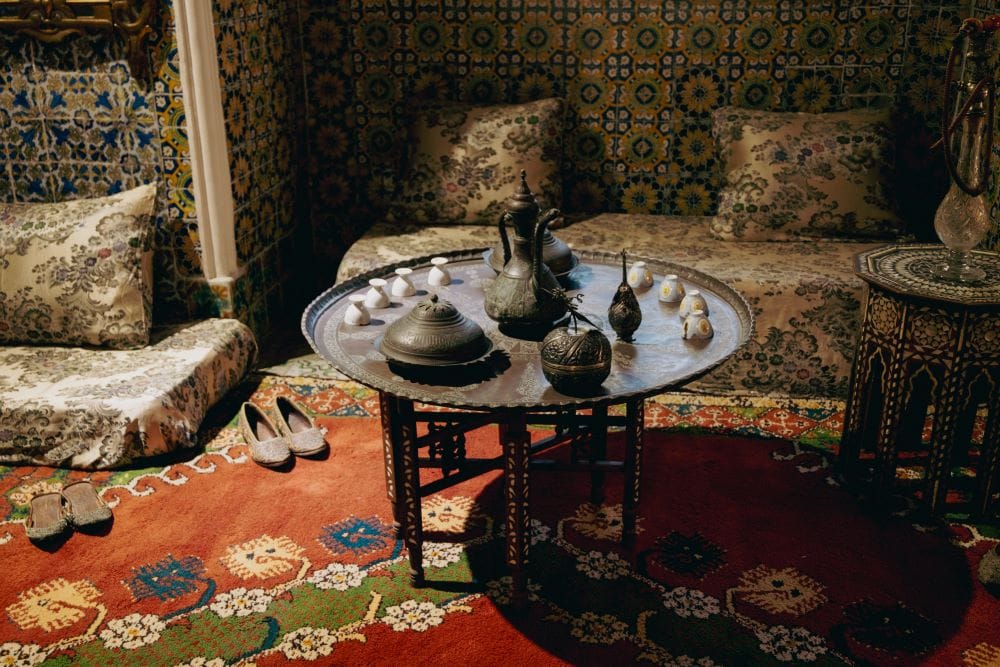
Cities such as Fez and Marrakesh became centers of cultural fusion, where Amazigh, Arab, and Andalusian elements merged.
5. Colonial Period and Modern State Formation
French and Spanish colonial rule (1912–1956) reshaped Morocco’s political and economic structures. Colonial policies:
- Reorganized land ownership
- Introduced modern education systems
- Attempted to categorize ethnic identities
Post-independence Morocco engaged in nation-building, balancing modernization with cultural preservation.
II. Anthropological Structure of Moroccan Society
1. Tribal Organization and Social Cohesion
Traditional Moroccan society, particularly in Amazigh regions, was organized around:
- Tribes (qabila)
- Councils (jama‘a)
- Alliances (leff)
These structures functioned as decentralized governance systems, regulating:
- Resource distribution
- Conflict resolution
- Collective decision-making
2. Oral Tradition as Cultural Archive
In the absence of widespread literacy historically, knowledge was transmitted orally through:
- Poetry
- Storytelling
- Proverbs
- Ritual performances
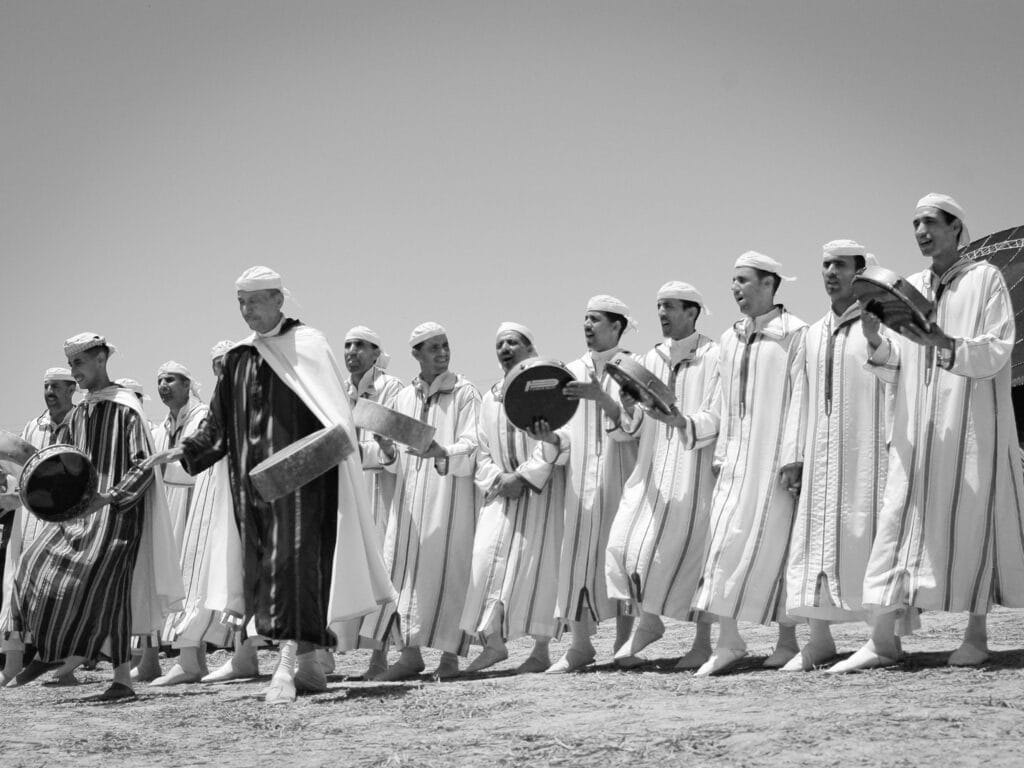
This oral system ensured the continuity of cultural memory across generations.
3. Gender Roles and Cultural Transmission
Women play a central role in preserving Moroccan heritage:
- Weaving textiles
- Preparing traditional foods
- Transmitting language and customs
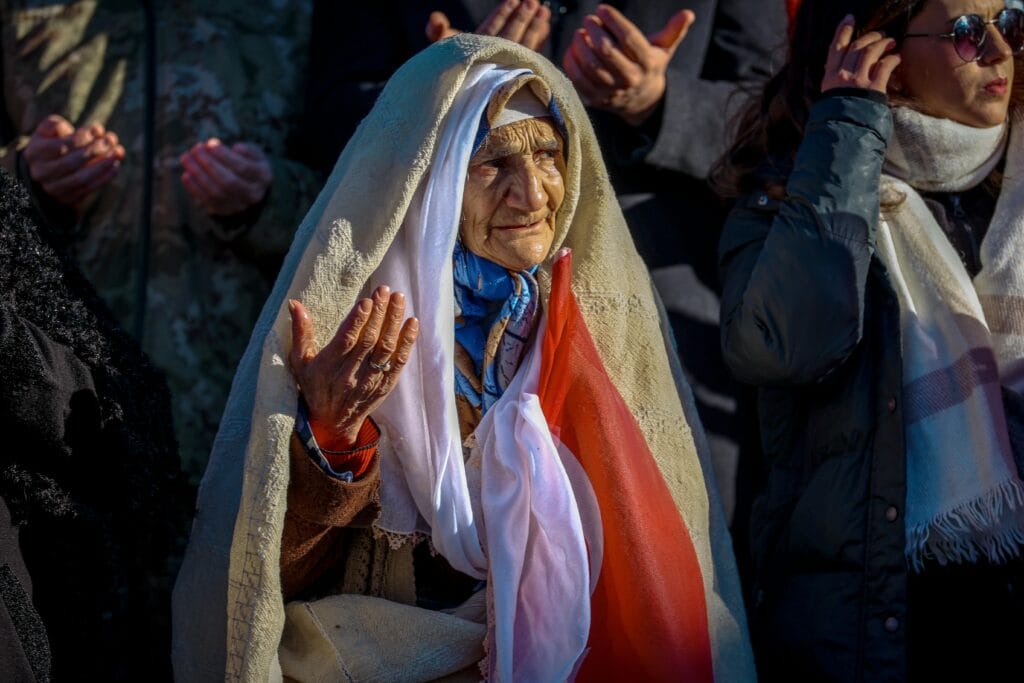
Their contributions constitute a hidden yet foundational dimension of cultural continuity.
III. Regional Diversity: Landscapes and Cultural Expressions
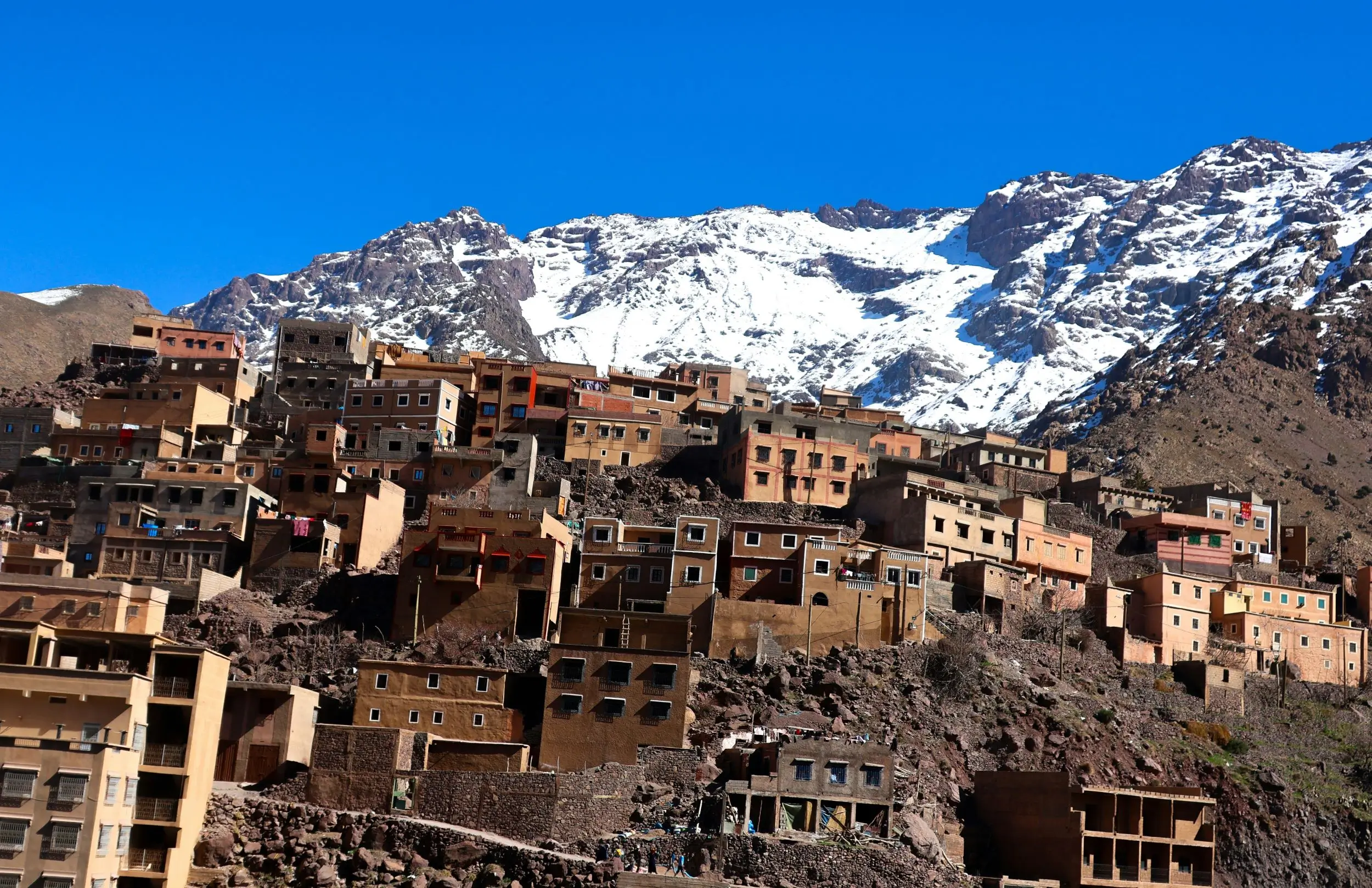
1. The High Atlas: Isolation and Cultural Preservation
The High Atlas Mountains represent one of the most culturally resilient regions.
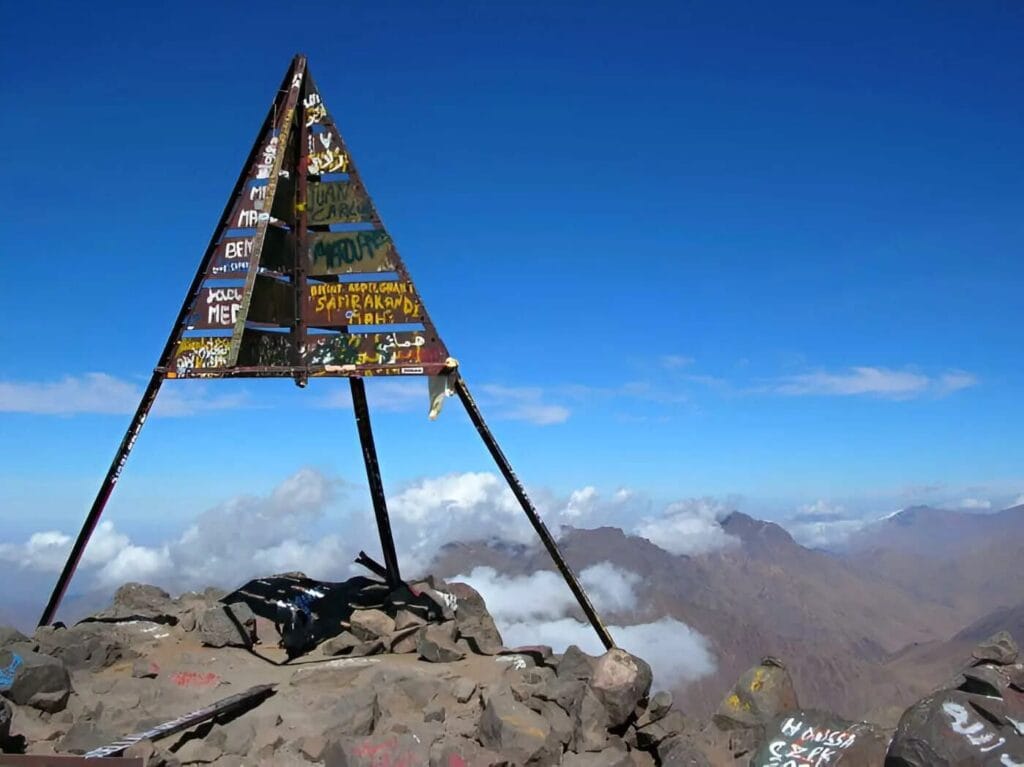
Characteristics include:
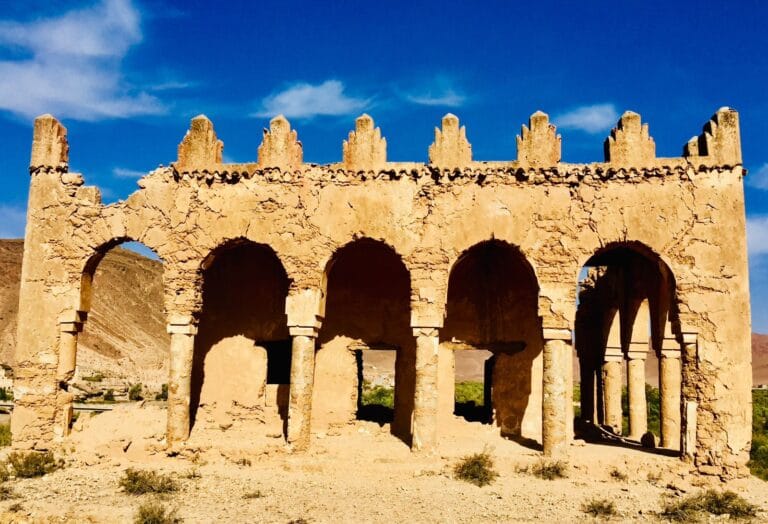
- Stone and earth architecture
- Strong tribal identities
- Distinct linguistic variants of Tamazight
Isolation has preserved ancient practices, particularly in agriculture and craftsmanship.
2. The Middle Atlas: Forest Culture and Pastoral Life
In the Middle Atlas:
- Cedar forests shape economic life
- Seasonal migration patterns persist
- Pastoral traditions dominate
This region illustrates the balance between mobility and settlement.
3. The Sous Valley: Agricultural Innovation
The Sous Valley is known for:
- Intensive agriculture
- Trade networks
- Cultural production (music, crafts)
It represents a dynamic interaction between tradition and economic adaptation.
4. Coastal and Urban Regions
Cities like Casablanca and Rabat embody modern Moroccan identity:
- Industrialization
- Cultural hybridity
- Global connectivity
IV. Symbolic and Spiritual Dimensions
1. Islam and Local Spirituality
Moroccan Islam integrates:
- Orthodox practices
- Sufi traditions
- Local saint veneration
This creates a spiritual landscape where religion is both institutional and experiential.
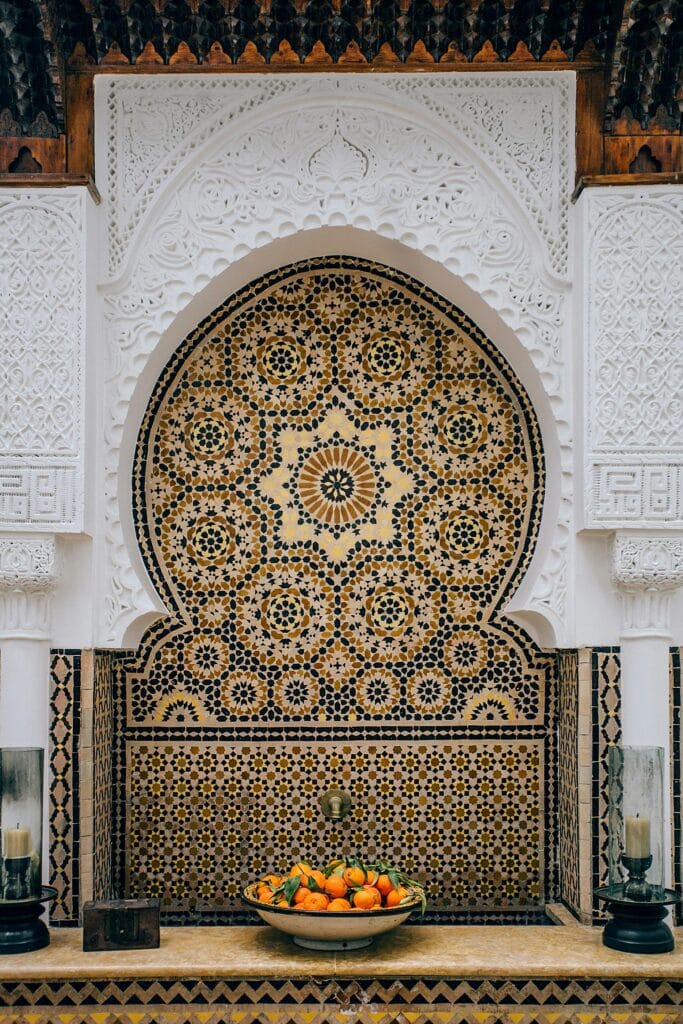
2. Symbolism in Material Culture
Symbols permeate Moroccan crafts:
- Geometric motifs in carpets
- Protective symbols in jewelry
- Architectural ornamentation
These symbols encode beliefs about:
- Protection
- Fertility
- Harmony
3. Rituals and Festivals
Cultural life is structured around rituals such as:
- Agricultural festivals
- Religious celebrations
- Life-cycle ceremonies
These events reinforce collective identity.
V. Moroccan Heritage as Living Practice
1. Craftsmanship and Knowledge Systems
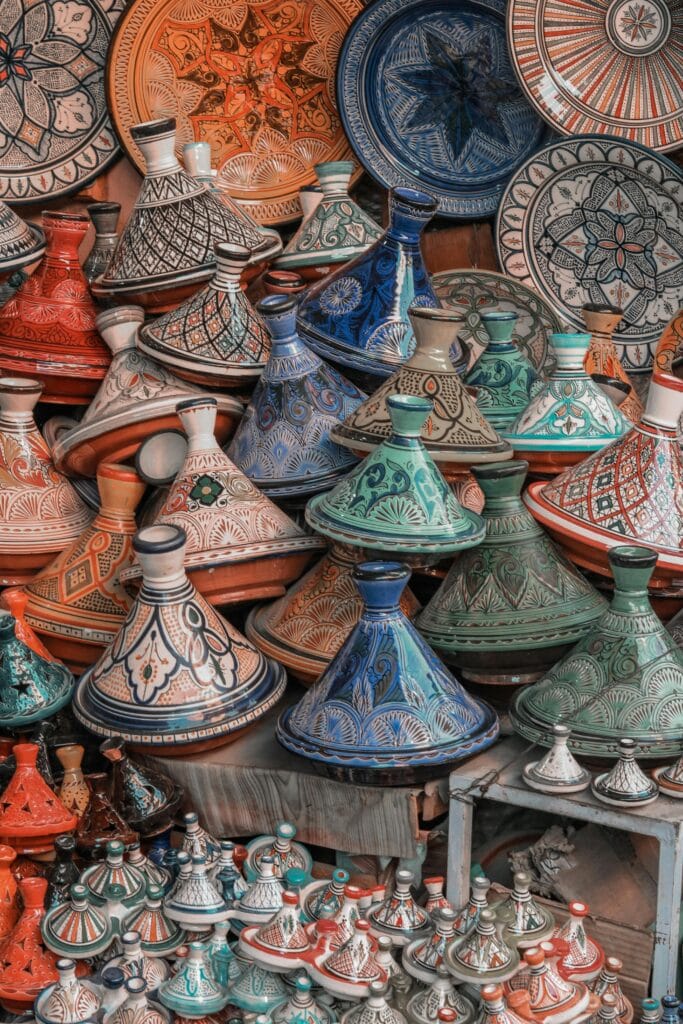
Moroccan crafts are not merely decorative but epistemological:
- Weaving encodes symbolic language
- Architecture reflects environmental adaptation
- Culinary practices express ecological knowledge
2. Language and Identity
The recognition of Tamazight as an official language marks a significant step in cultural preservation. Language functions as:
- Identity marker
- Knowledge system
- Cultural memory
VI. Modern Transformations and Contemporary Challenges
1. Urbanization and Cultural Change
Migration to cities has altered:
- Family structures
- Economic practices
- Cultural transmission
2. Tourism and Cultural Representation
Tourism promotes Moroccan heritage globally but risks:
- Simplification
- Commercialization
- Loss of authenticity
3. Cultural Revival Movements
Recent decades have seen renewed interest in:
- Amazigh language
- Traditional crafts
- Indigenous identity
This revival reflects a broader search for cultural roots.
Cultural Disclaimer
This article is written with full respect for the cultural diversity of Morocco, particularly Amazigh heritage. It aims to document and analyze traditions within an academic framework without appropriation or simplification.
Frequently Asked Questions About Moroccan Culture, History & Heritage
What defines Moroccan culture, history, and heritage?
Moroccan culture, history, and heritage are defined by a combination of Amazigh (Berber) roots, Islamic traditions, and influences from Arab, Andalusian, and African civilizations. This layered identity is expressed through language, architecture, crafts, social customs, and regional diversity.
How important is Amazigh culture in Moroccan heritage?
Amazigh culture forms the foundational layer of Moroccan heritage. It predates other cultural influences and continues to shape language, social organization, traditional crafts, and rural life across regions such as the High Atlas, Middle Atlas, and Sous.
What are the main regions influencing Moroccan cultural diversity?
Moroccan cultural diversity is shaped by regions such as the High Atlas, Middle Atlas, Sous Valley, coastal areas, and major cities. Each region contributes distinct traditions, dialects, architectural styles, and economic practices.
What role does Islam play in Moroccan culture?
Islam plays a central role in Moroccan culture by influencing daily life, social values, rituals, and architecture. It is often practiced alongside local traditions and Sufi spirituality, creating a unique blend of religious and cultural expression.
What are the key elements of traditional Moroccan culture?
Key elements of traditional Moroccan culture include Amazigh languages, tribal social systems, traditional crafts, architectural styles, cuisine, music, and oral traditions. These elements reflect both historical continuity and regional diversity.
What makes Moroccan culture unique compared to other countries?
Moroccan culture is unique due to its deep Amazigh roots combined with centuries of interaction between African, Arab, Andalusian, and Mediterranean influences. This creates a highly diverse cultural landscape with strong regional identities.
Conclusion: Preserving Morocco’s Cultural Complexity
Moroccan culture, history, and Amazigh heritage cannot be reduced to a single narrative. It is a dynamic system shaped by continuity and change, rooted in Amazigh foundations yet enriched by centuries of interaction.
Preserving this heritage requires:
- Documentation
- Education
- Respect for diversity
- Support for local knowledge systems
Ultimately, Moroccan culture endures not as a relic of the past, but as a living, evolving expression of human creativity and resilience.
References & Further Reading
- Montagne, Robert — The Berbers and the Makhzen
- Geertz, Clifford — Studies on Moroccan society
- Gellner, Ernest — Saints of the Atlas
- Hart, David — Tribal systems in Morocco
- Oral traditions from High Atlas and Sous regions
- Ethnographic and anthropological studies on North Africa