The Amazigh New Year (Id Yennayer): A Journey Into Heritage, Identity & Renewal
Introduction: Id Yennayer:
When you hear the words Id Yennayer—the Amazigh New Year—you step into one of the oldest living cultural calendars on earth, a celebration that predates many of the world’s documented civilizations. You may have heard of it in passing, perhaps through a colorful festival, a shared meal, or a conversation with someone from the Atlas or Rif. But when you truly dive into the heart of this celebration, you discover more than a simple new year; you uncover a worldview built on resilience, gratitude, survival, and a deep bond between humans and the land that sustains them.
You might find yourself drawn to Id Yennayer for different reasons—curiosity, heritage, travel, or pure fascination. No matter what brings you here, you’ll quickly realize that this celebration is not just an annual event. For the Amazigh people, it is the emotional and symbolic anchor of an entire civilization, a moment that links the present to millennia of history, myth, and agricultural rhythm.
Id Yennayer does not begin with fireworks or champagne. Instead, it rises from earth, from winter fields, from ancestral blessings whispered beside clay hearths, from hands preparing grains that have carried families through hard seasons. By the time you finish this article, you will not only understand the Amazigh New Year—you will feel its spirit, and you will see why this celebration has survived more than 2,960 years.
Table of Contents
Understanding Id Yennayer: What the Amazigh New Year Really Represents
Before diving into the rituals, symbols, and regional variations, you need to understand the core meaning of Id Yennayer. In Amazigh languages—Tamazight, Tachelhit, Tarifit—the name changes slightly (Yanayer, Ennayer, Id Osuggas), but the essence stays the same.
A New Year Rooted in Agriculture, Not Astronomy
While many cultures celebrated the new year based on astronomical markers such as solstices, the Amazigh calendar grew from:
- Seasonal cycles of farming
- Timing of rainfall in North Africa
- The agricultural restart of winter-to-spring transition
- The moment land becomes ready to give again
For the Amazigh, the beginning of the year was not an abstract date—it was the rebirth of hope.
This makes Id Yennayer both practical and sacred.
You are not just greeting a new number on the calendar—you are greeting the land that feeds you.
The 2,970+ Year Calendar: A Timeless Legacy
The Amazigh calendar counts from the victory of the Libyan-Amazigh King Sheshonq (Shoshenq I), who became Pharaoh of Egypt in 950 BCE.
This is why Amazigh years are written as:
- 2025 (Gregorian) = 2975 (Amazigh)
- 2030 (Gregorian) = 2980 (Amazigh)
When you use the Amazigh year number, you connect directly to this unbroken historical thread.
Emotional Significance of Id Yennayer: Why This Celebration Matters to Amazigh Identity
You cannot understand Id Yennayer without recognizing its emotional depth. For Amazigh communities—from the Rif to the Middle Atlas to the Anti-Atlas—this celebration acts as:
- A protection ritual
- A moment of gratitude for survival
- A renewal of family unity
- A celebration of Amazigh identity in a world that tried to erase it
This emotional weight makes Id Yennayer a living symbol of memory, dignity, and cultural pride.
A Celebration of Continuity
Each generation receives Id Yennayer with the same gestures their ancestors used:
- preparing symbolic meals
- blessing fields and animals
- retelling myths of creation
- lighting fires to repel misfortune
When you take part in these rituals, you’re not just celebrating a date on the calendar—you are inheriting a civilization’s heart.
Origins of Id Yennayer: Myths, History, and the Layers of Time
To understand any tradition deeply, you must explore its origins.
Id Yenner is built from three intertwined layers:
Layer 1: The Historical Foundation (Sheshonq I)
According to the cultural calendar:
- Sheshonq I united North African Amazigh tribes.
- He conquered Egypt peacefully and became Pharaoh.
- His rule symbolized strength, intelligence, and legitimacy of Amazigh civilization.
This moment became the official “start date” of the Amazigh calendar.
Layer 2: The Agricultural Cycle
This layer is even older, and it touches you more directly.
For Amazigh farmers, winter is the moment when crops endure their hardest phase. The Amazigh New Year marks:
- The end of vulnerability
- The start of agricultural blessings
- The moment when nature begins preparing for spring fertility
Farming was survival, and the new year was the promise of life.
Layer 3: The Spiritual and Symbolic Layer
Long before written history, Amazigh communities:
- Lit sacred fires to chase misfortune
- Performed purification rituals
- Cooked meals that symbolized prosperity
- Used chants and oral poetry to bless the year
These traditions survived imperial invasions, religious transformations, and modern pressures because they carried a deeper purpose:
They protected both the land and the soul.
Hitting the Emotional Core: How Id Yennayer Shapes Family, Memory, and Identity
If you ask someone from the High Atlas or Rif what Id Yennayer means to them, the first answer won’t be historical or agricultural.
It will be emotional—memories of childhood, family, taste, light, and warmth.
Here is what Id Yennayer really gives you:
A Sense of Roots
You may travel the world, but Id Yennayer reminds you of where you come from—from mountains, from valleys, from clay homes, from a people who survived by staying united.
Strength Through Ritual
When life feels uncertain, the return of Id Yennayer creates stability.
This is why it remains so important in modern Morocco, Algeria, Tunisia, and the diaspora.
Connection Across Generations
Every family member participates, from the youngest to the oldest.
Elders bless, youth prepare food, children play traditional games.
In Id Yennayer, the family becomes one living organism.
How Id Yennayer Inspires You to Reconnect With Your Own Roots
Even if you didn’t grow up celebrating Id Yennayer, something about this tradition whispers to you. It reminds you that no matter how far you travel, you still come from a line of people who struggled, dreamed, failed, rebuilt, and kept going.
Id Yennayer teaches you that renewal is not just a date — it’s a decision.
It’s the quiet promise that you will try again, become better, and honor the story that shaped you.
Here’s what this celebration invites you to reflect on:
1. Your Relationship With Nature
Watching how Amazigh families prepare food from seasonal crops and study the weather to predict the next year encourages you to pause. You start noticing things you once ignored:
- How the wind changes
- How the soil smells after rain
- How a community moves as one when the harvest arrives
Id Yennayer teaches you that you don’t live above nature — you live with it.
2. Your Relationship With Your Ancestors
Even if you never met them, you are walking on a road they built.
You carry their:
- Strength
- Fear
- Joy
- Resilience
- Choices
The Amazigh New Year reminds you that remembering them doesn’t trap you in the past — it gives you direction for the future.
3. Your Relationship With Time
You learn that time is not something that chases you.
Time becomes:
- A road
- A cycle
- A rhythm
- A companion
Id Yennayer invites you to step into that rhythm rather than fight it.
The Deeper Symbolism Behind Id Yennayer: What Makes It More Than a Celebration?
When you explore Id Yennayer closely, you realize it isn’t simply an annual event — it is a worldview.
Every detail has a meaning and every symbol tells a story.
Below is a deeper look at the layers of symbolism that shape this celebration.
The Symbolism of Land: The Heart of the Amazigh Calendar
For Amazigh people, the land is not an object. It is a mother, a guide, and a source of wisdom.
That is why the Amazigh calendar begins in winter — a time when the earth sleeps so it can rise again stronger.
What the Land Represents:
- Memory — filled with the footsteps of ancestors
- Survival — shaping the way people lived
- Identity — carving villages, dialects, and traditions
- Continuity — the connection between past and future
Without understanding the land, you cannot understand Id Yennayer.
The Symbolism of Fire: A Beacon of Renewal
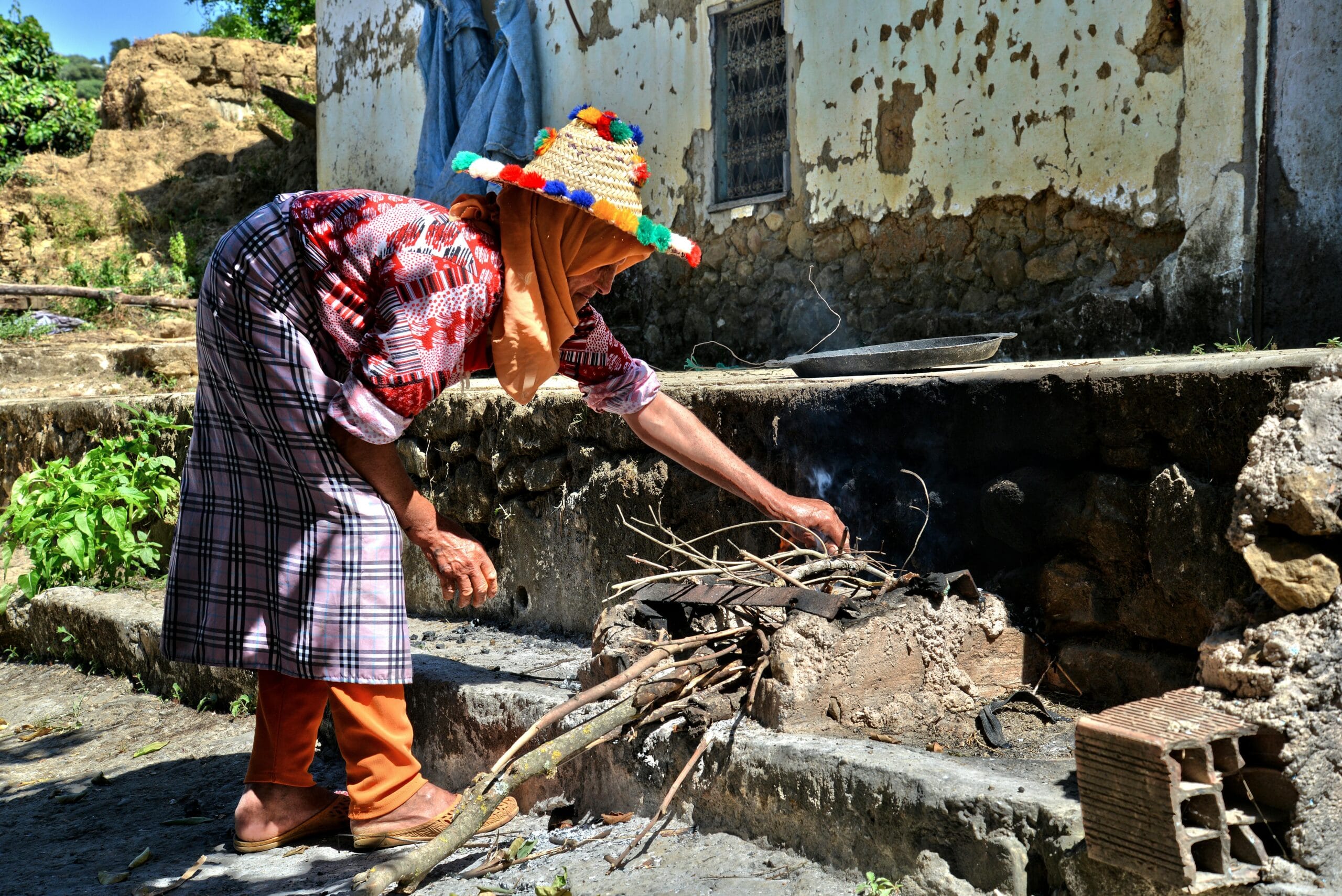
In many communities, families gather around fire on the eve of Yennayer.
Fire stands for:
- Purification
- Light during darkness
- Warmth during winter
- Spiritual protection
You may notice how fire naturally draws people together. That is exactly what Id Yennayer does: it pulls communities back into unity.
The Symbolism of Food: Nourishment for the Body and Spirit
Every ingredient prepared during Id Yennayer carries a coded message.
Signature Dishes & Their Meanings
| Dish | Symbolism | Why It Matters |
|---|---|---|
| Orkimen (barley & legumes) | Abundance & protection | Predicts agricultural success |
| Tighsriwin / Tahrwelt | Fertility & renewal | Encourages blessings for the home |
| Seven-Vegetable Couscous | Harmony & balance | Each vegetable represents a natural force |
You’re not just eating — you’re participating in a cultural ritual of gratitude and hope.
The Symbolism of Ancestors: Guardians of Wisdom
During Id Yennayer, you’ll notice something subtle:
People speak of their ancestors as if they are still present.
And in many ways, they are.
Why ancestors matter:
- They represent continuity
- They offer guidance through memory
- They remind you of collective identity
- They ground you when life becomes chaotic
Id Yennayer turns remembrance into strength.
How Different Amazigh Regions Celebrate Id Yennayer
A beautiful part of this celebration is that every Amazigh region adds its own colors, sounds, and flavors. This diversity enriches the meaning of the New Year, turning it into a mosaic of identities under one shared heritage.
In the Souss & Anti-Atlas: Rituals Rooted in Agriculture
If you travel through Igherm, Taroudant, Tiznit, or Iwziwn, you’ll find that Id Yennayer reflects centuries of agricultural life.
Typical elements include:
- Preparing millet and barley dishes
- Bringing symbolic offerings to the home
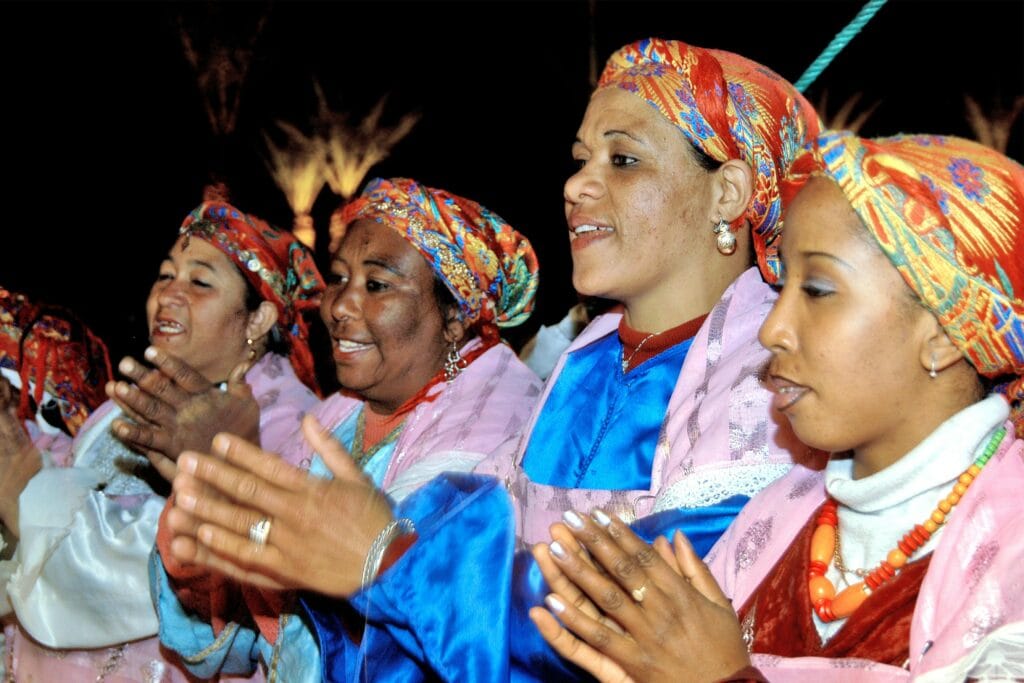
- Singing traditional Ahouach around fire
- Giving children first-fruit blessings
Nature, community, and faith blend seamlessly in these rituals.
In the Middle Atlas: Purification & Joy
Communities like the Zayanes and Aït M’Guild often celebrate with rituals designed to:
- Purify the home
- Protect livestock
- Bless the new agricultural cycle
Drumming, dancing, and poetry are central to these celebrations.
In Kabylia & Aurès: Echoes of Ancient Libya
Across present-day Algeria, Amazigh communities mark the new year with customs that strongly resemble ancient Numidian and Libyan agricultural rites.
They include:
- Masked dances
- Olive-branch blessings
- Seven-vegetable dishes
- House cleaning rituals
The symbolism remains consistent: life begins again from the earth.
Modern Meaning: What Id Yennayer Teaches You Today
Even if your life feels far from mountains, valleys, and agricultural cycles, the lessons of Id Yennayer still speak to you.
Id Yennayer teaches you to:
- Reset your life intentionally
- Celebrate continuity over chaos
- Embrace your identity without apology
- Value community and not just individual success
- Understand the land that feeds you
- Live in rhythm with the natural world
You realize that this celebration is not just ancient — it is timeless.
Frequently Asked Questions (FAQ) About the Amazigh New Year (Id Yennayer)
1. What is the Amazigh New Year (Id Yennayer)?
It is the traditional Amazigh New Year, celebrated every January 12–14 to honor agricultural renewal, ancient heritage, and ancestral wisdom.
2. Why do Amazigh people celebrate the New Year in January?
Because the Amazigh calendar is agricultural and lunar-solar. January marks the rebirth of the land, making it the natural start of the year.
3. Why is it called “Id Yennayer”?
“Id” means “feast/day” and “Yennayer” refers to January, derived from Latin “Januarius.” Together, they signify the Feast of the Amazigh New Year.
4. What foods are traditionally eaten during the Amazigh New Year?
Typical dishes include:
- Orkimen
- Tahrwelt
- Seven-vegetable couscous
- Dishes with symbolic seeds, grains, and legumes
Each dish is chosen for its blessing or symbolic meaning.
5. Why is the Amazigh New Year important today?
Because it helps you reconnect with identity, tradition, and community at a time when modern life often feels disconnected and fast-paced.
Conclusion: Why Id Yennayer Still Matters in Your Life Today
You may come from a different background or live far from the regions where Id Yennayer is celebrated — but the meaning of this celebration reaches you deeply.
Id Yennayer tells you:
- Start again
- Honor your roots
- Protect the earth
- Value community
- Balance your life
- Carry your ancestors with pride
And most importantly:
You have the power to reshape your year, your choices, and your story — just as Amazigh ancestors reshaped their world with strength and resilience.
Call to Action
If this article inspired you, take the next step:
Explore the full world of Amazigh culture, traditions, and history — and let each discovery bring you closer to your own heritage, wherever you come from.