Moroccan Caftan: History, Amazigh Influence, and Its Rise as a Global Fashion Icon
Introduction: A Dress That Carries Centuries of Identity
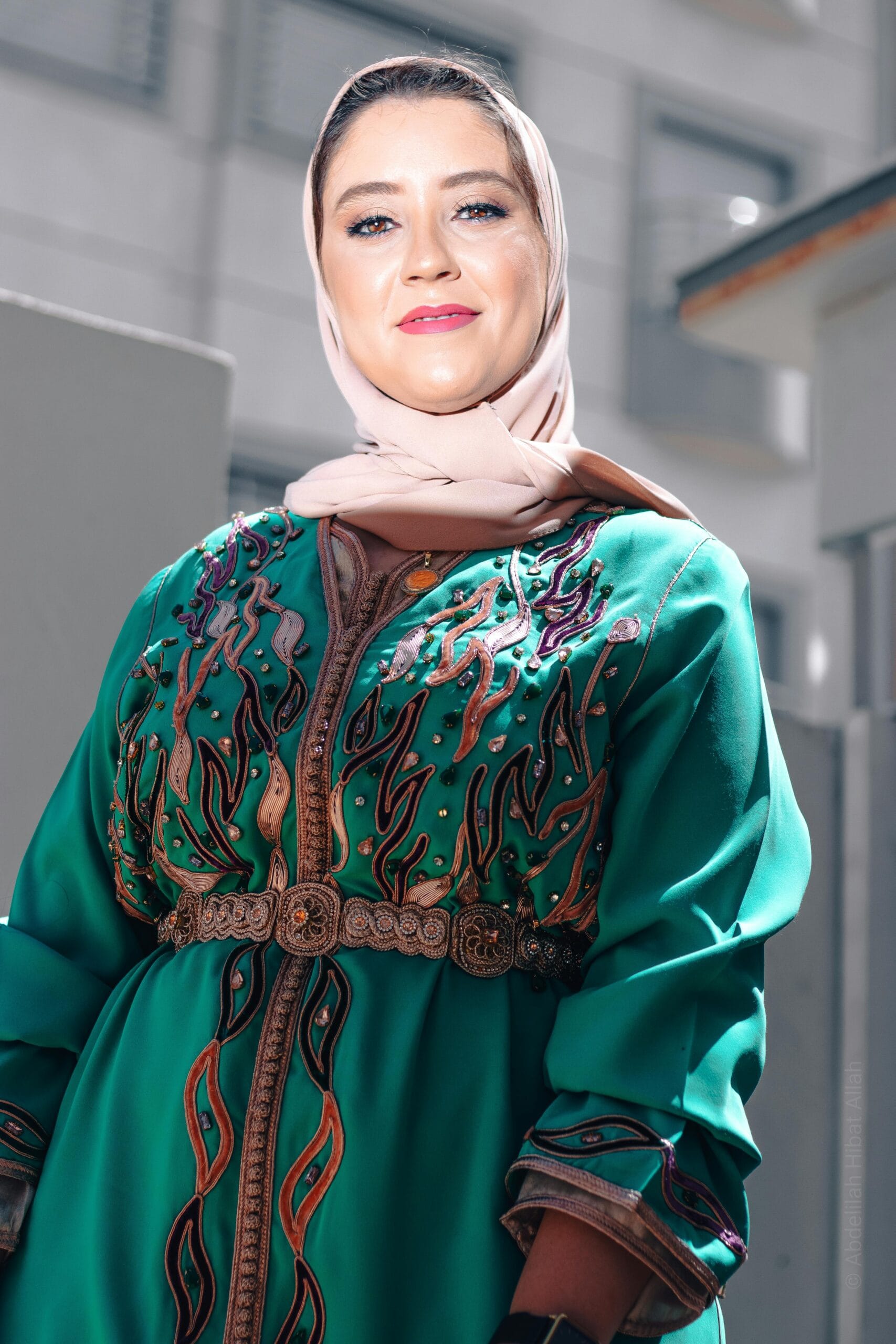
The Moroccan Caftan is more than a garment; it is a cultural archive stitched with memory, identity, and artistry. From the palaces of Andalusian nobility, to the Amazigh mountains and villages, to the runways of Paris Fashion Week, the caftan has survived, transformed, and transcended time.
Today, it stands as one of Morocco’s strongest cultural ambassadors—an icon of elegance worn by brides, royals, and global celebrities. Yet behind its shimmering embroidery lies a long history of migrations, cultural blending, artisanal mastery, and Amazigh artistic influence that shaped its distinct Moroccan soul.
The moment your fingers brush against the fabric of a handcrafted Moroccan Caftan, there’s an undeniable connection to generations of artisans who poured skill and soul into every stitch. Wearing it for the first time awakens an emotional resonance, as if centuries of stories and traditions are draped over your shoulders, whispering their legacy. Its presence at weddings, family celebrations, and life milestones transforms ordinary moments into cherished memories, each fold and embroidery carrying meaning beyond decoration. In that garment, you feel a profound sense of identity and pride—a tangible link to a culture rich in history, artistry, and enduring beauty.
Table of Contents
What Is the Moroccan Caftan? A Cultural Masterpiece Defined
Origins of the Term “Caftan”
The term “caftan” has deep historical roots. Derived from the Persian word kaftan, it was adopted into Arabic and Amazigh cultures, signifying a long, flowing robe worn by both men and women. Early references in North Africa and Andalusia describe the caftan as a garment reserved for nobility and religious figures, emphasizing its symbolic and social importance. Over time, the Moroccan caftan evolved into a distinct cultural emblem.
In other hand, there is other references say that The word kaftan has origins linked to the Ottoman courts, where long robes symbolized power and prestige. These robes later spread across the Middle East through trade and royal gift-giving.
Despite the clear disagreement surrounding the true origin of the word “Kaftan,” there is no doubt that the Moroccan Amazigh touch added to this style of clothing has given it a distinctive and unmatched character. Enriched by a deep and diverse Amazigh cultural heritage, this traditional garment has been transformed into something entirely unique—both in its artistic expression and symbolic meaning. The Amazigh craftsmanship, motifs, and color philosophy have shaped the kaftan into a culturally rooted creation that carries its own identity. Over time, these elements have elevated it from a simple garment to a treasured piece of Morocco’s tangible cultural heritage, representing centuries of tradition, creativity, and cultural pride.
Distinct Features of the Moroccan Caftan
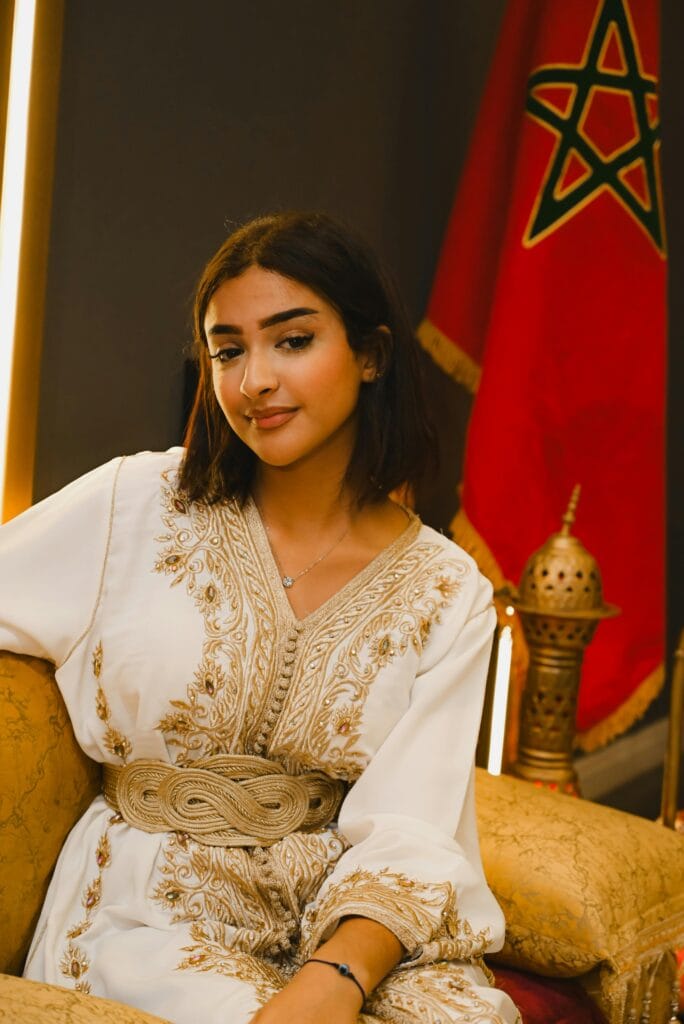
The Moroccan caftan is recognized for its elegant tailoring, luxurious fabrics, and intricate embroidery. Typically, the garment features a straight or slightly flared silhouette with long sleeves, designed for both comfort and ceremonial presence. Common materials include silk, velvet, brocade, and traditional sabra thread. Embroidery styles such as Tarz, Rabati, and Fassi techniques showcase regional craftsmanship. Museums like the Dar Si Said Museum in Marrakech house examples that demonstrate these exquisite traditions, preserving knowledge for future generations.
The History of the Moroccan Caftan Through the Ages
Andalusian Roots and the Arrival to Morocco
During the 13th–15th centuries, Andalusian artisans and noble families migrated to Morocco, bringing with them refined textile techniques. The caftan was incorporated into royal court attire, signifying status and elegance. These early garments were rich in design and symbolism, reflecting the intricate artistry of Andalusian culture.
These Andalusian styles would later merge with Amazigh, Arab, and Saharan influences, especially to cities like Fez, Tetouan, and Rabat—they brought their textile traditions with them, forming what we now know as the Moroccan caftan.
Saadian and Alaouite Dynasties (16th–19th Century)
The Saadian and Alaouite periods introduced Ottoman influences, transforming the caftan from royal court attire to fashionable elite women’s clothing. During this time, the garment became more structured, and embroidery techniques flourished, creating luxurious ensembles for ceremonial use.
The Moroccan Royal Courts and the Birth of a National Dress
Once in Morocco, the garment transformed dramatically:
• Sultans adopted it as part of official court attire.
• Artisans developed unique styles of embroidery, weaving, and finishing.
• Workshops supported by royal patronage refined techniques like sfifa, aâkad, dfira, and tarz.
By the Saadian and Alaouite dynasties, the caftan had become firmly embedded as a Moroccan luxury tradition, worn during ceremonies, diplomatic receptions, and weddings.
Modern Era Transformations (20th–21st Century)
Urban centers like Fez, Rabat, and Salé became hubs for tailoring innovation. Tailors, or maâllems, developed embroidery schools and workshops that continue today. Moroccan historians and fashion archives document these transformations, showing how the caftan has adapted to modern tastes while preserving its heritage.
The Amazigh (Berber) Influence in the Moroccan Caftan: The Hidden Foundation of Moroccan Elegance
Amazigh Aesthetics and Symbolism
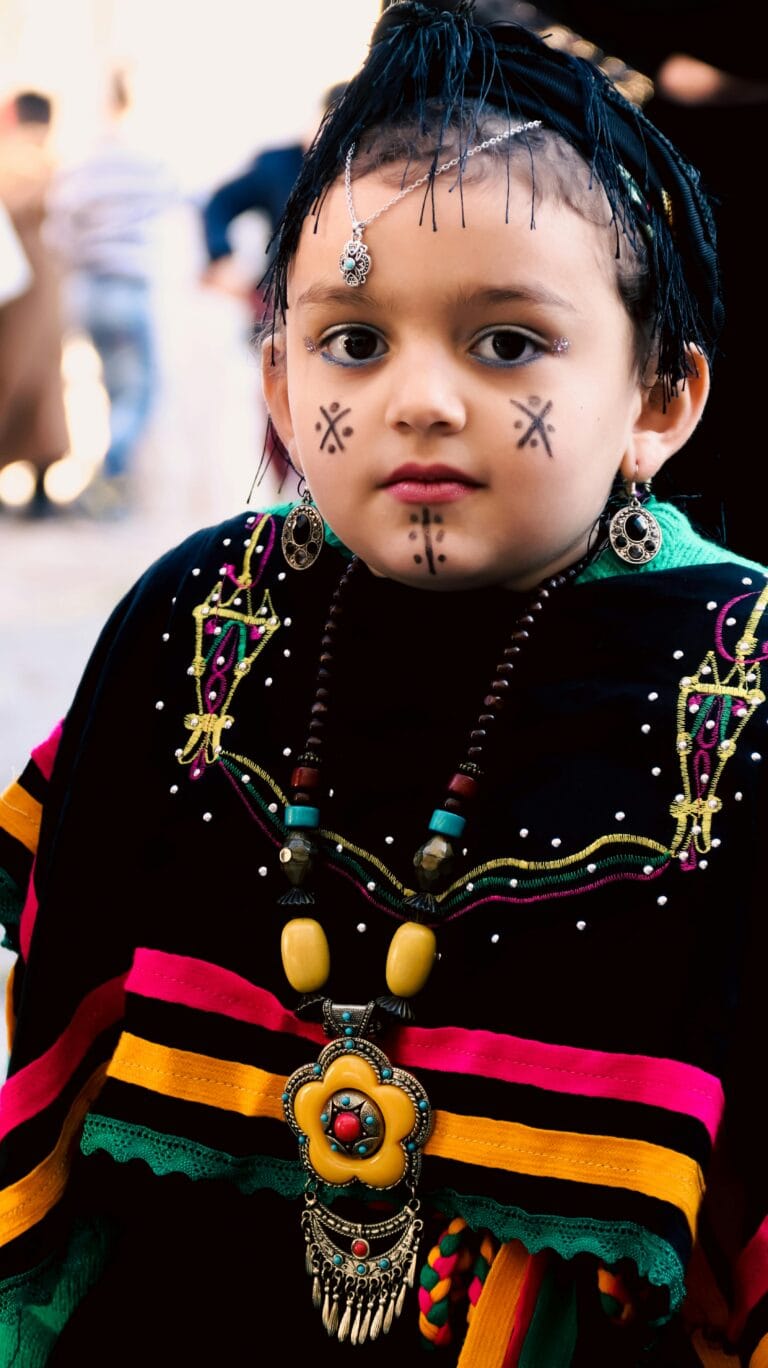
Although the caftan arrived via Andalusian elites, its Moroccan evolution owes a massive debt to Amazigh aesthetics and craftsmanship. Amazigh culture contributed significantly to the caftan’s visual identity. Geometric motifs, tribal color codes, and spiritual symbols imbue each garment with layers of meaning. These motifs often signify fertility, protection, and community identity, transforming clothing into a cultural narrative.
Amazigh women historically did not wear caftans as we know it today, but their traditional garments included:
• Tafsut / Taqsabit (Amazigh dresses)
• Tahandirt (woven garments)
• Tabniqt (tribal tunic)
• Amazigh silver jewelry
However, their motifs, weaving skills, and color systems deeply shaped the Moroccan caftan industry.
Materials, Weaving and Techniques Rooted in Amazigh Culture
Amazigh tribes from Sous, Anti-Atlas, and High Atlas developed extremely refined techniques in:
• weaving wool,
• creating geometric patterns,
• hand-dyeing fabrics,
• and producing textile symbols representing fertility, nature, and protection.
Amazigh artisans introduced hand-woven fabrics and natural dyes, techniques maintained by women’s cooperatives throughout Morocco. These practices ensure the authenticity and sustainability of the craft, linking modern caftans to centuries-old traditions.
These techniques influenced the fabrics chosen for caftans, including:
• handwoven silks,
• wool blends,
• natural dyes (saffron, indigo, henna).
Amazigh Geometric Symbolism
Traditional Amazigh symbols—such as:
• losanges,
• triangles,
• zigzags,
• Tifinagh-inspired linear patterns
—have appeared subtly in modern caftans, especially in artisanal or “fusion” designs.
Amazigh Jewelry Influence
The famous silver jewelry from regions like:
• Aït Atta
• Aït Ouaouzguite
• Aït Baamrane
has inspired caftan accessory styling.
Designers integrated Amazigh-style fibulae (tabzima), heavy necklaces, and bold color palettes.
Amazigh Color Psychology
Amazigh textiles traditionally emphasize strong color contrasts:
• red for life and strength
• blue for protection
• green for nature
• yellow for fertility
Today, modern caftans sometimes borrow these bold Amazigh chromatic systems.
Regional Amazigh Variations and Their Impact on Modern Caftans
Different Amazigh regions offer unique interpretations:
- Rif: Bold geometric patterns and bright colors.
- Middle Atlas: Earth-toned textiles with delicate stitchwork.
- Souss-Massa: Patterns from Ait Atta, Ida Oultit, and Chleuh tribes, often symbolizing protection or fertility.
Ethnographic studies confirm the cultural and symbolic richness these variations bring to modern caftans.
Moroccan Caftan Styles and Regional Diversity
Takchita vs. Caftan: Understanding the Difference
Morocco transformed the caftan into something unique: the Takchita. While often confused, the caftan and takchita are distinct: the caftan is typically a single-layer garment for formal or ceremonial events, whereas the takchita features a double-layer design, often reserved for weddings.
✔ Takchita = 2-piece formal dress
1. Tahtiya (inner dress)
2. Dfina (outer embroidered robe)
This style does not exist in the Ottoman, Gulf, or Persian world. It is purely Moroccan—a blending of:
• Andalusian layering techniques
• Amazigh textile traditions
• Courtly fashion
• Contemporary haute couture
The Takchita is now the centerpiece of Moroccan weddings.
Regional Evolution of the Moroccan Caftan
Fassi Caftan: The Royal Classic Rich velvet, gold thread (zari), and intricate tarz fassi embroidery. Known for luxury, refinement and lighter fabrics.
Rbati Caftan: Light and Andalusian Floral patterns, silk threads, and delicate colors influenced by Andalusian gardens with bold patterns reflecting the city’s royal heritage.
Marrakchi Caftan: Style: The Fashion Capital. Contemporary cuts, lighter fabrics, runway-friendly styles. Rich textures and vibrant colors.
Tetouani Caftan: Hispano-Moorish Heritage. Heavy embroidery, bold shapes, and clear Influenced by Andalusian Jews, featuring elegant, understated embellishments.
Amazigh Fusion Caftan (Modern Trend):
New generation designers integrate:
• tribal patterns,
• geometric motifs,
• silver accessories,
• earthy colors,
• Amazigh-inspired belts and fibula designs.
Embellishment Techniques
Moroccan caftans are handmade using multiple artisanal techniques: A master caftan may take 2–6 months to complete.
- Tarz Maalem (Embroidery): Hand embroidery requiring years of mastery, Styles such as Fassi, Rabati, Meknessi, and Tetouani
- Aakad: Traditional and Meticulous handmade buttons created knot by knotbuttons.
- Dfira: Braided cords for closure and decoration. Gold or silver thread weaving.
- T’lila: Beadwork that adds texture and sparkle.
- Sfifa: Braided silk or metallic trim that outlines the garment.
Moroccan Caftan in Ceremonies and Social Rituals
Weddings and Traditional Ensembles
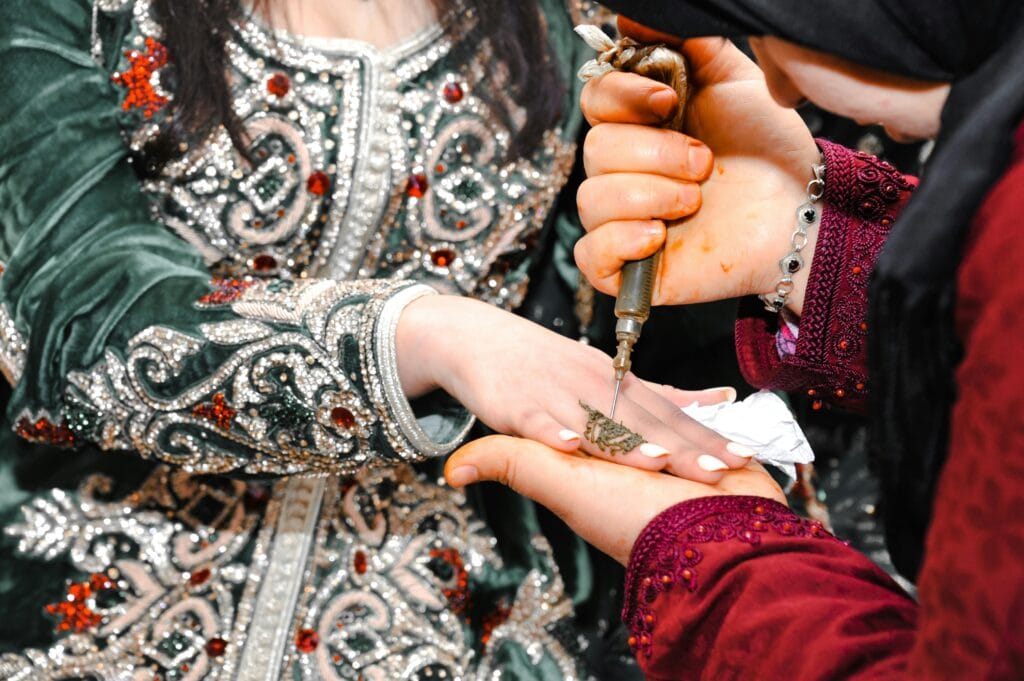
Bridal caftans are central to Moroccan weddings, where colors and materials are chosen for symbolic meaning—red for happiness, gold for prosperity, green for fertility. Sets often include a matching belt and veil, creating a cohesive ceremonial look.
Religious and Family Celebrations
Caftans are also worn during Eid al-Fitr, birth ceremonies, and engagements, marking important life events with elegance and tradition.
Identity and Intergenerational Transmission
The passing of caftans from mothers to daughters preserves memory, heritage, and identity, creating emotional bonds between generations.
The Moroccan Caftan in the Global Fashion Scene
How the Moroccan Caftan Became a Global Fashion Icon
- International Fashion Shows
Events like Caftan du Maroc (in Marrakech) helped broadcast the caftan to the world. Designers began exporting haute couture versions to Europe, the Gulf, and America. Designers like Yves Saint Laurent, Dior, and Jean Paul Gaultier have drawn inspiration from Moroccan craftsmanship, integrating caftan elements into haute couture.
- Celebrity Influence
Celebrities and global artists have worn Moroccan caftans at red carpets, influencing their spread. Modern Moroccan designers such as Zineb Joundy, Fadila El Gadi, and Amine Bendriouich showcase Moroccan caftans internationally, bridging tradition and contemporary fashion.
- Social Media
Through globalization, diaspora communities, and social media, the Moroccan caftan has become a worldwide emblem of elegance, tradition, and cultural diplomacy. Platforms like Instagram and TikTok brought visibility to Moroccan weddings, bridal looks, and designer caftans.
- Fashion Diplomacy
First ladies, diplomats, and royals of Morocco have worn caftans in international ceremonies, helping it enter global haute couture.
Craftsmanship Behind the Moroccan Caftan
The Work of the Maâlem (Master Artisan)
Maâllems dedicate years to mastering techniques, from embroidery to tailoring, ensuring that each caftan meets the highest standards of artistry.
Tools and Materials Used
Needles, embroidery frames, sabra thread, and brocade looms are essential to caftan creation.
Step-by-Step Production Process
- Drafting and measurements
- Fabric selection
- Embroidery layout
- Hand-stitching
- Finishing touches
- Final fitting
This meticulous process reflects both skill and patience.
Modern Interpretations and Contemporary Fashion Trends
Minimalist Caftans
Neutral palettes and soft fabrics create modern, understated elegance suitable for casual or formal wear.
Haute Couture Caftans
Runway silhouettes fuse Moroccan tradition with European haute couture, offering bold, avant-garde designs.
Sustainable and Ethical Caftan Production
Eco-friendly dyes, handcraft revival, and women’s cooperatives ensure that the tradition continues responsibly.
How to Wear and Style a Moroccan Caftan
Accessories
Belts (Mdamma) and Amazigh silver or gold jewelry complete the ensemble.
Choosing the Right Caftan for Your Event
Consider weddings, engagements, or casual gatherings when selecting fabrics, colors, and embroidery styles.
Tips for Maintaining and Preserving Caftans
Proper cleaning, storage, and long-term care prolong the life of these cultural treasures.
Cultural Meaning: Why the Caftan Still Matters
The caftan remains powerful because it represents:
• Identity — A tangible expression of Moroccan heritage.
• Craftsmanship — A living tradition passed through generations.
• Femininity — A symbol of beauty and elegance.
• Continuity — A garment that connects past and present.
• Economic Value — Supports countless Moroccan artisans.
It is a cultural ambassador that Morocco shares with pride.
Symbolism and Cultural Significance of the Moroccan Caftan
Identity, Feminine Power, and Elegance
The caftan is more than clothing; it communicates cultural language, empowering women and preserving heritage.
Spiritual and Protective Symbolism in Patterns
Amazigh motifs and stitchwork tell stories of protection, fertility, and identity, transforming garments into living symbols.
What makes the Moroccan Caftan different from other caftans?
Its embroidery, fabrics, and regional techniques define its unique Moroccan identity
Did Amazigh culture influence the caftan?
Yes — Amazigh textile patterns, colors, and techniques influenced early caftan aesthetics.
Is the Moroccan Caftan originally Amazigh or Arabic?
It reflects both Amazigh and Arabic influences, blending history, culture, and artistry.
Why is the Moroccan Caftan so expensive?
Handmade embroidery, luxurious fabrics, and skilled artisanship contribute to its high value.
Which region of Morocco is known for the best caftans?
Cities like Fez, Rabat, and Marrakech are renowned, each with distinctive styles.
How has the Moroccan Caftan influenced global fashion designers?
Its intricate embroidery and elegant silhouettes inspire international haute couture and ready-to-wear collections.
What is the difference between a Caftan and a Takchita?
A takchita is a double-layered ceremonial garment, while a caftan is typically single-layered for formal or traditional use.
Conclusion — The Timeless Journey of the Moroccan Caftan
The Moroccan caftan endures as a symbol of cultural heritage, craftsmanship, and identity. It has transcended centuries, adapting to modern fashion while maintaining its ceremonial and emotional significance. Each caftan carries stories, pride, and artistry—an invitation for you to explore, wear, and preserve this cultural masterpiece for generations to come.
Today, as its silhouette walks red carpets, wedding halls, and fashion runways, the caftan carries with it the soul of a civilization that values beauty, tradition, freedom, and craftsmanship.
It is not just a dress.
It is Morocco woven into fabric.