Moroccan Argan Oil: Amazigh Heritage, Culture, and Uses.
When you hear the words Moroccan Argan Oil, you probably think of beauty products on a store shelf, promising healthier skin or shinier hair. But what if you knew that behind every drop of this golden liquid lies a story that connects you to one of the world’s oldest cultures, the Amazigh people of Morocco? This is not just oil—it’s a heritage, a way of life, and a reflection of the deep bond between humans and nature. As you read this article, you’ll not only learn how argan oil is made and used, but you’ll also discover how it embodies the soul of Morocco and why it has been called the “liquid gold of the Amazigh.”
By the end, you’ll see why argan oil is not simply a product you buy—it’s a journey into history, culture, and sustainability, and a way to connect with traditions that stretch back thousands of years.
Table of Contents
The Origins of Argan Oil?
Long before it became a global beauty trend, argan oil was the heart of Amazigh daily life in the southern regions of Morocco. The Amazigh people—sometimes called Berbers—were the original guardians of this natural treasure. For centuries, families pressed the kernels of the argan tree into oil used for cooking, healing, and spiritual practices.
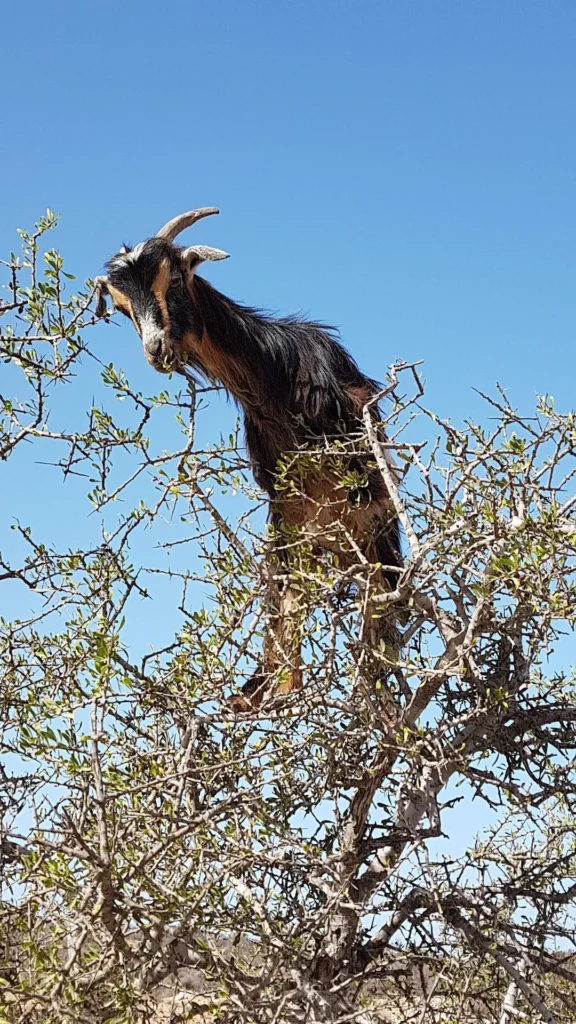
The tree itself, Argania spinosa, is unique to Morocco. It grows mainly in the arid lands between the High Atlas Mountains and the Atlantic coast, where other plants often cannot survive. You can think of it as both a gift and a guardian: a source of food and income, but also a shield against desertification. Without it, vast landscapes would turn into dry wastelands.
The Sacred Tree of Life
To the Amazigh, the argan tree was never just a plant. It was the “tree of life.” Its gnarled roots held the soil together, its shade offered relief in the summer sun, its fruits fed both people and animals, and its oil nourished the body inside and out.
Even in oral Amazigh poetry and proverbs, the argan tree often appears as a symbol of resilience, endurance, and feminine energy. Many elders say that just as the tree survives in harsh conditions, so too do the Amazigh people survive and thrive in their rugged homeland.
Early Argan oil Uses and Traditions
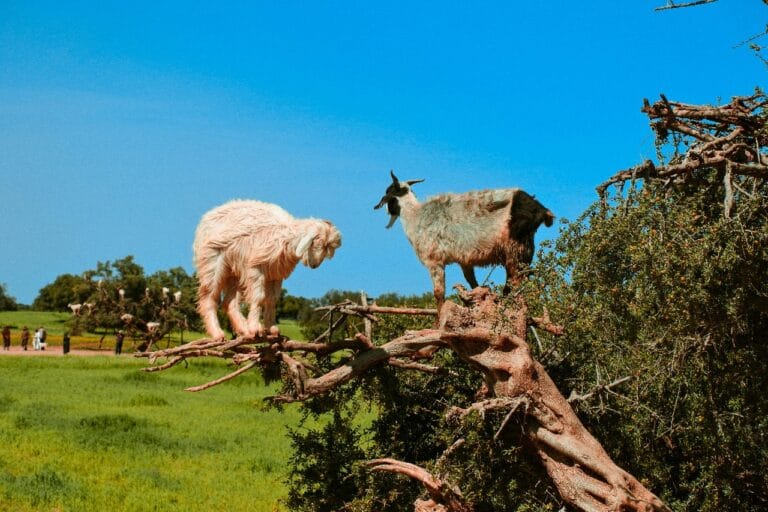
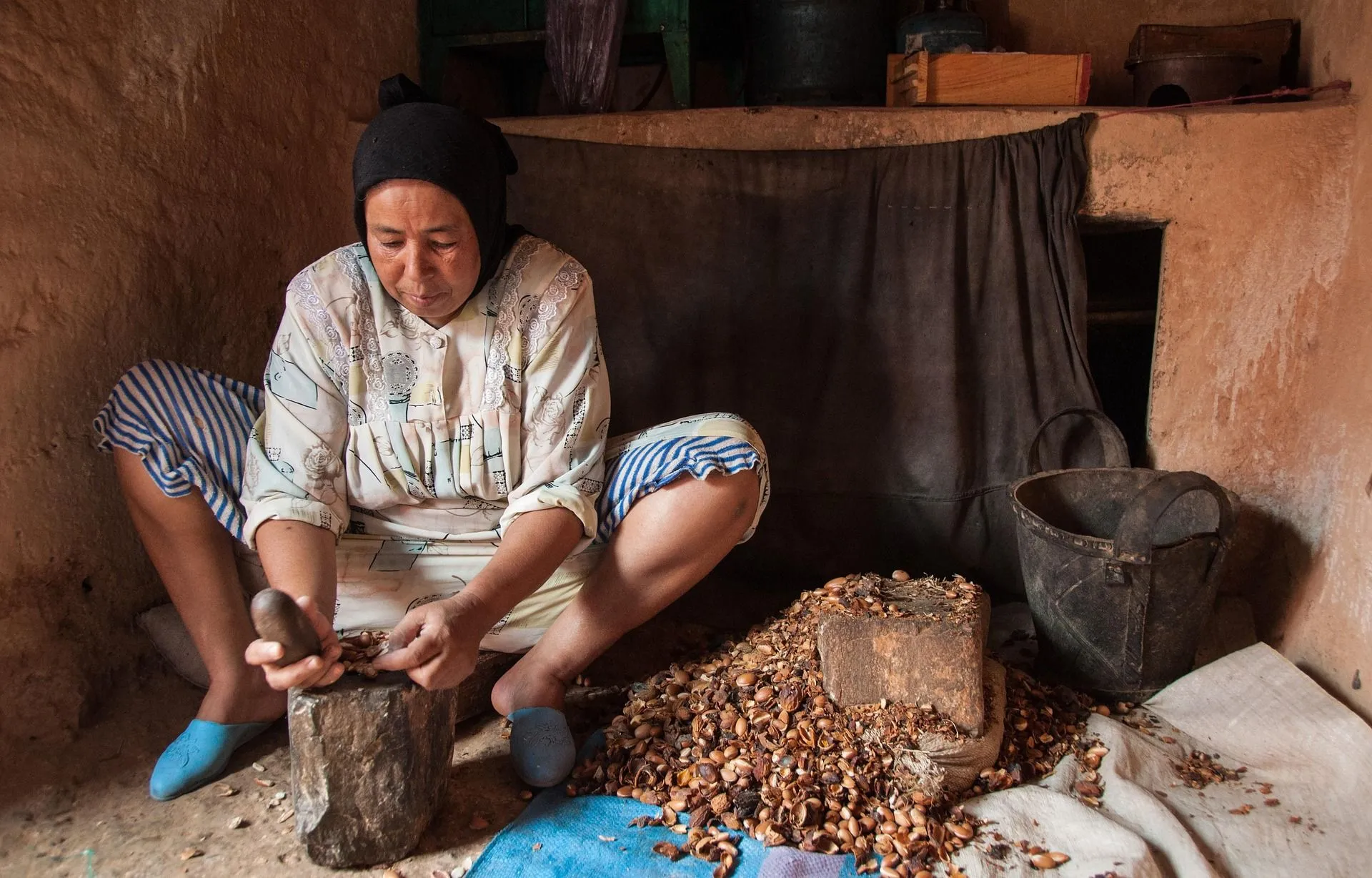
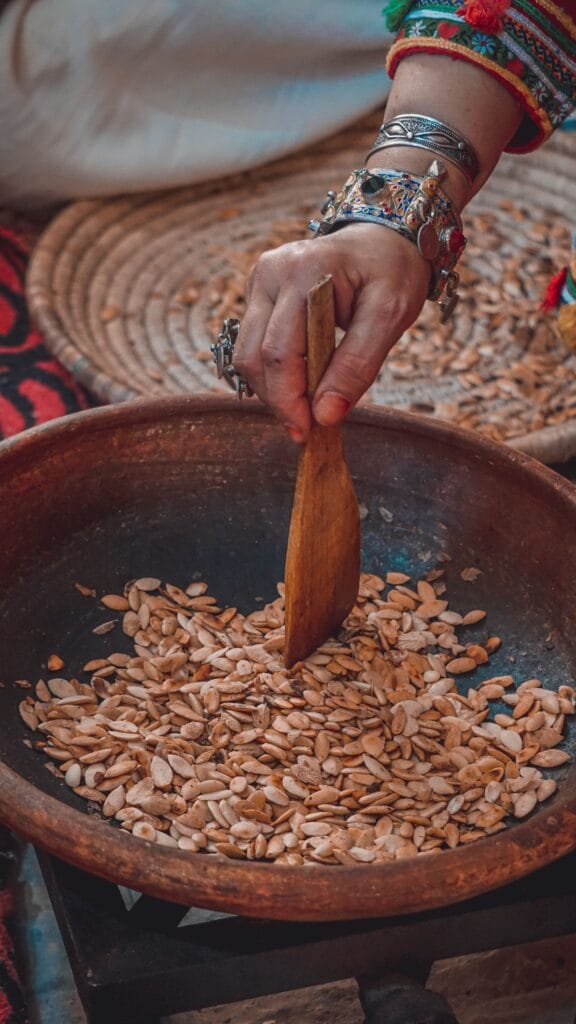
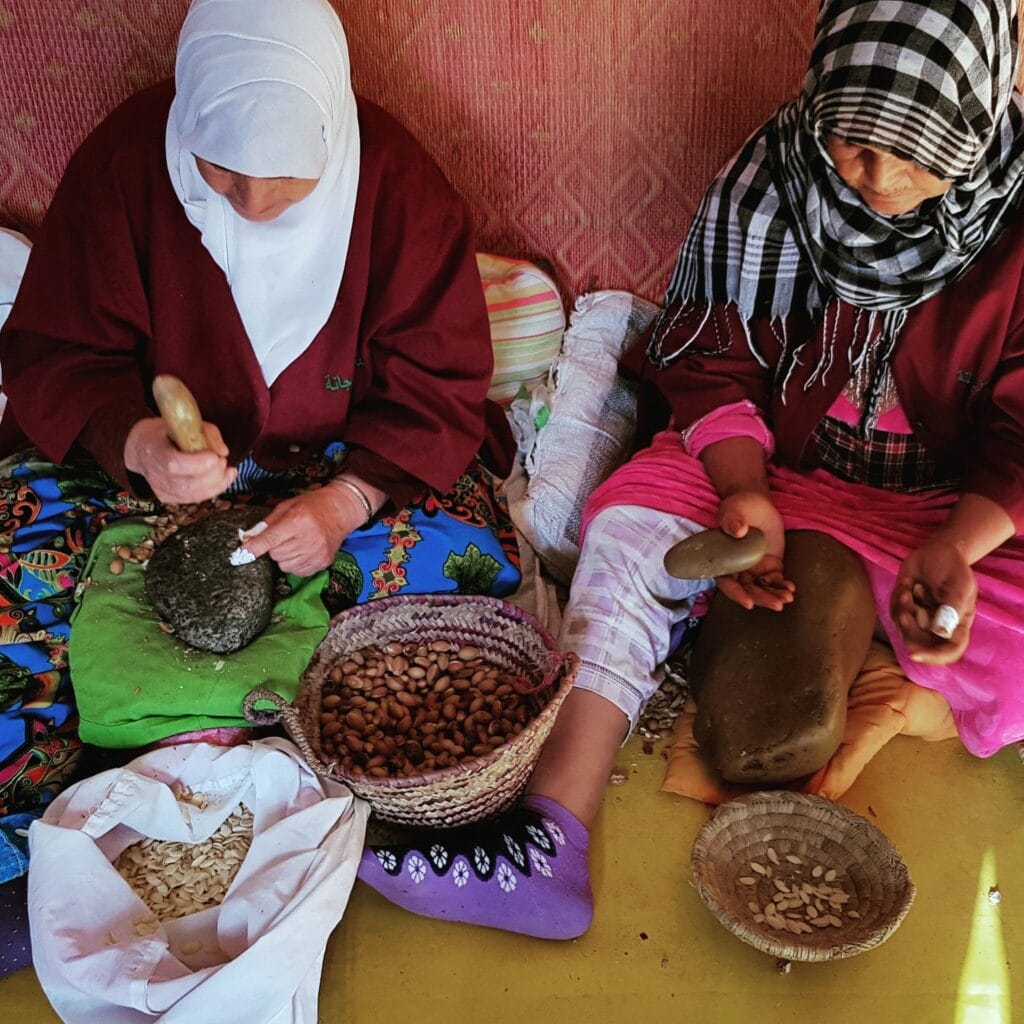
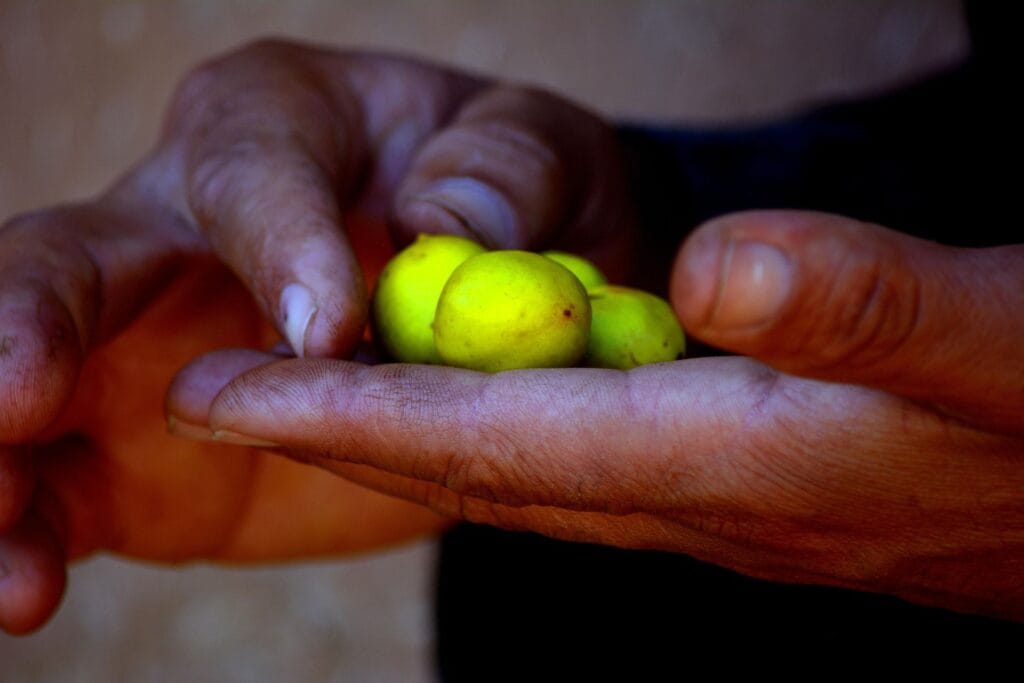
When you picture an Amazigh village centuries ago, imagine women gathering argan nuts after goats had grazed on the trees. They would dry the nuts, crack them open by hand with stones, and carefully grind the kernels into paste. From that paste, oil was extracted—a labor-intensive process that could take hours just to produce a small bottle.
The oil wasn’t wasted. It had multiple roles:
- Culinary: mixed with almonds and honey to create amlou, a traditional dip eaten with bread.
- Medicinal: applied to wounds, used as a remedy for joint pain, or taken to ease digestion.
- Cosmetic: massaged into skin to protect from the desert sun and dry winds.
- Spiritual: used in rituals to bless newborns or to honor ancestors.
This cultural richness shows you that argan oil was not a trend, but a tradition—woven into everyday life and sacred events alike.
moroccan Argan Oil and the Amazigh Agdal System
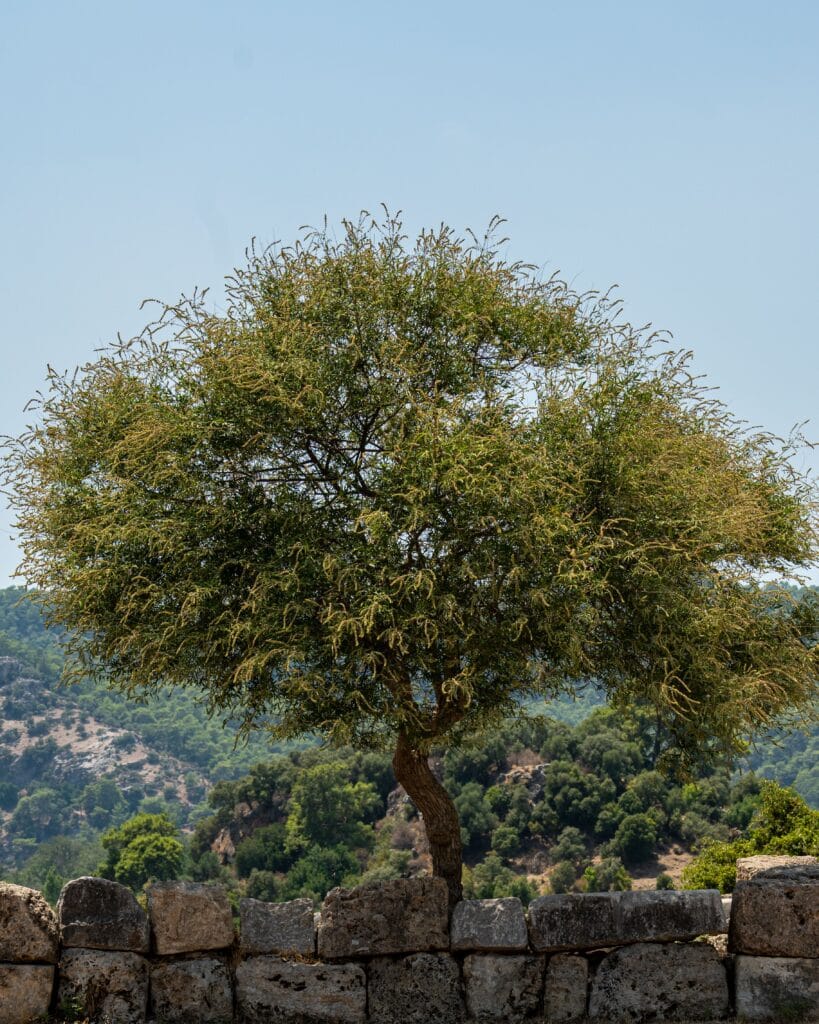
One of the most interesting aspects of argan culture is that traditional communities developed systems for managing natural resources rather than simply extracting from them. Among these practices is Agdal, a form of community-based resource management that can regulate access to forests and natural resources during particular periods.
In the Arganeraie, such practices have helped communities coordinate activities such as fruit harvesting with the ecological cycles of the trees. UNESCO describes the Agdal system, alongside traditional water-sharing practices, as an example of indigenous environmental knowledge and adaptation to changing climatic conditions.
This perspective changes how we understand Moroccan Argan Oil. Its history is not simply a story about producing a valuable cosmetic or culinary product; it is also a story about how rural communities managed land, trees, water, livestock, and seasonal resources together.
Cultural Heritage of moroccan Argan Oil
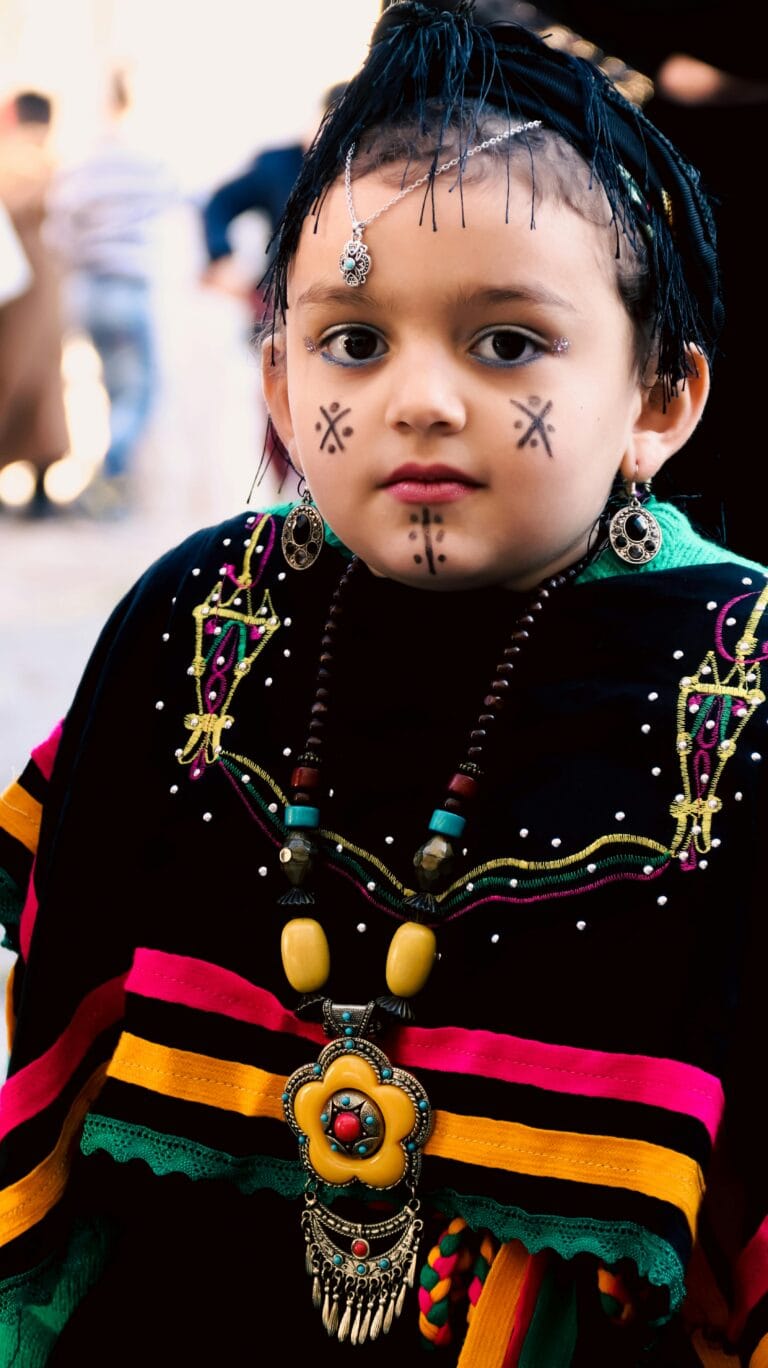
Moroccan Argan oil is not only about beauty and food—it is a mirror of Amazigh identity and a cultural legacy passed down through countless generations. When you look at how the oil is made and shared, you see much more than a product. You see resilience, solidarity, and heritage.
Amazigh Women’s Cooperatives: Guardians of Tradition
One of the most remarkable aspects of Moroccan Argan Oil is the role of Amazigh women. For centuries, they were the ones who harvested, cracked, and pressed the argan kernels. This work was often done collectively, with groups of women sitting together, chatting, and singing as they cracked nuts with stones.
In the modern era, these traditions gave birth to women’s cooperatives. These organizations not only preserve the ancestral techniques of producing argan oil but also provide rural women with financial independence and social empowerment. When you purchase authentic argan oil from these cooperatives, you’re not just buying a natural product—you’re directly supporting education, healthcare, and economic growth in Amazigh villages.
Why Women Are Central to Argan Oil Production
Women have historically played a particularly important role in the traditional production and transmission of argan oil knowledge. In rural communities of the Arganeraie, women have passed techniques from one generation to another through everyday learning and practical participation. UNESCO specifically identifies this transmission of knowledge between women and their daughters as an important cultural feature of argan practices.
The development of women’s argan cooperatives has also connected this traditional knowledge with modern markets. Cooperatives can provide opportunities for women to participate more directly in income-generating activities while helping maintain knowledge associated with traditional processing. UNESCO has highlighted the relationship between argan cooperatives, local economic opportunities, and women’s empowerment.
For this reason, buying authentic Moroccan Argan Oil can have a cultural dimension when production is connected to responsible local cooperatives and transparent supply chains. The oil represents not only a natural resource but also generations of practical knowledge.
Oral Traditions and Symbolism
Argan oil lives in the Amazigh imagination through stories, poetry, and songs. In oral traditions, the oil is often linked to life, fertility, and protection. Mothers used to massage newborns with argan oil, believing it would protect them from both the cold and evil spirits.
Symbolically, argan oil was also seen as a blessing of the earth, a reminder that even in difficult landscapes, life continues to provide. This symbolism still echoes today when villagers gather to celebrate the first pressing of the season, much like wine harvests are celebrated in other cultures.
Moroccan Argan Oil in Festivals and Social Rituals
Argan oil is also tied to Amazigh festivals and social events. For example:
- During weddings, it was often given to brides as part of their beauty rituals, symbolizing fertility and prosperity.
- In religious ceremonies, it was sometimes used in lamps or offered alongside bread and salt as a sign of hospitality.
- In seasonal gatherings, such as the moussem (saint festivals), argan oil was displayed alongside honey, figs, and olives—symbols of abundance.
This cultural connection makes argan oil more than just an ingredient. It’s a bridge between the past and the present, between survival and celebration.
The Modern Uses of moroccan Argan Oil
While the roots of argan oil reach deep into Amazigh history, today you encounter it in kitchens, bathrooms, and medical studies across the world. From delicious spreads on warm bread to high-end skincare serums, argan oil has become a global symbol of natural wellness.
Culinary Uses of Moroccan Argan Oil
Argan oil is at the heart of Amazigh heritage and Moroccan cuisine. Unlike ordinary oils, its flavor is nutty, rich, and slightly smoky, making it perfect for both traditional dishes and gourmet experiments.
Everyday Cooking
- Dipping Oil: Just like olive oil, you can drizzle argan oil over bread. Pair it with thyme or sesame seeds for a quick Amazigh-style snack.
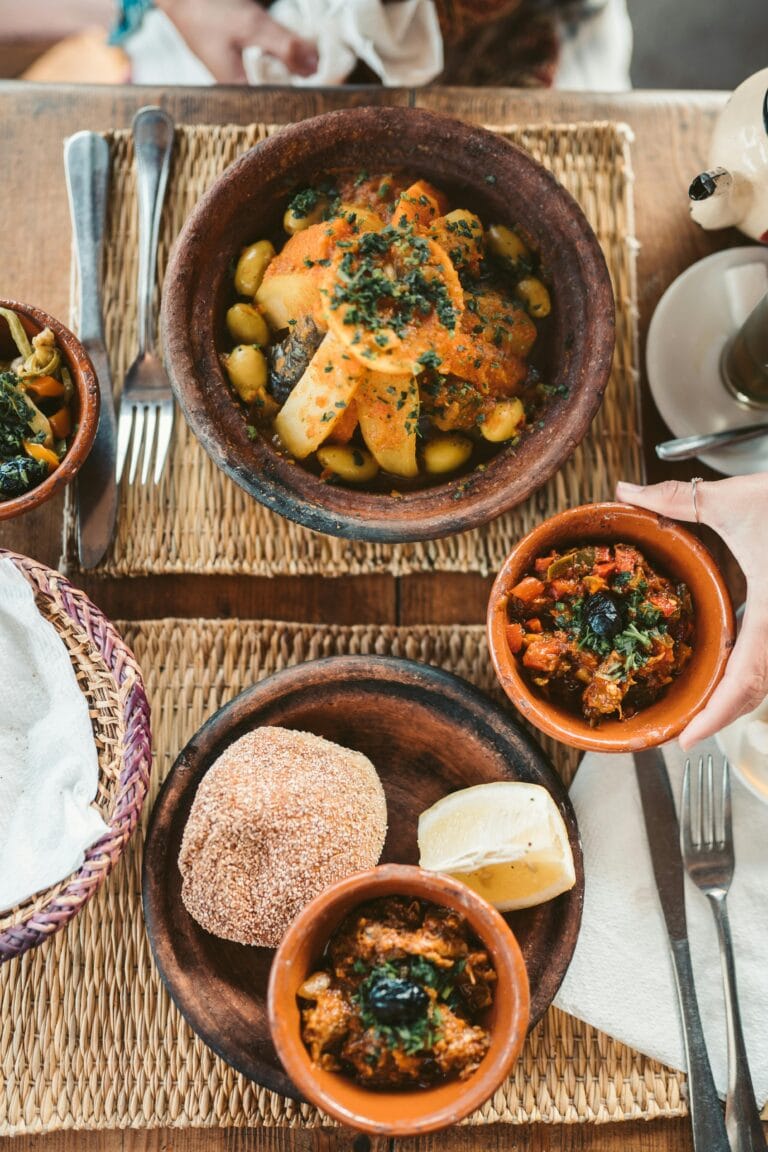
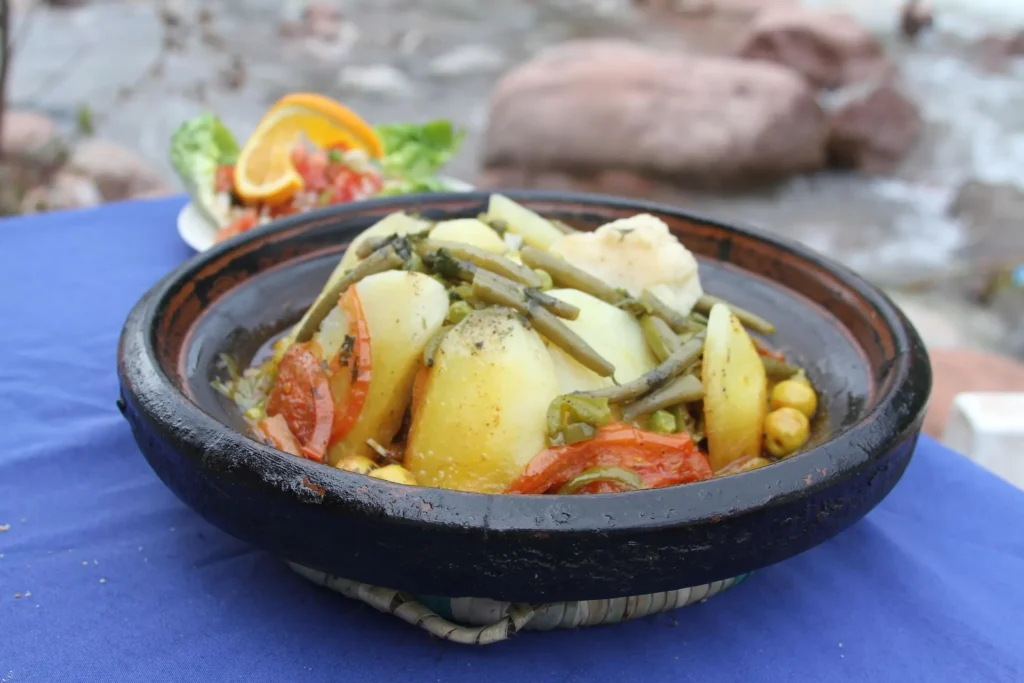
- Tagines: In Amazigh kitchens, a spoonful of argan oil is often added at the end of cooking to deepen flavor and aroma.
- Couscous: A drizzle of roasted argan oil over couscous gives it a warm, earthy taste.
Amlou: The Amazigh Energy Spread
One of the most famous recipes is amlou, a traditional spread made from argan oil, roasted almonds, and honey. It’s both delicious and deeply symbolic of Amazigh hospitality.
Here’s a simple recipe you can try:
| Ingredient | Quantity |
|---|---|
| Roasted almonds | 250 g |
| Pure argan oil | 100 ml |
| Raw honey | 4 tablespoons |
Instructions:
- Grind roasted almonds into a smooth paste.
- Slowly add argan oil while mixing.
- Sweeten with honey to taste.
- Serve with bread or pancakes.
Amlou is more than food—it’s tradition in a jar. Families prepare it especially for honored guests and newlyweds, symbolizing energy, fertility, and joy.
Cosmetic Uses of Moroccan Argan Oil
If you have ever looked at a beauty product labeled “liquid gold,” chances are it contained argan oil. Its reputation in skincare and haircare is global—and for good reason.
Skin Benefits
- Moisturizer: Rich in vitamin E and fatty acids, argan oil hydrates your skin without leaving it greasy.
- Anti-Aging: Antioxidants fight free radicals, helping reduce wrinkles and fine lines.
- Healing Properties: Traditionally, Amazigh women applied argan oil to soothe burns and heal scars.
Hair and Scalp
- Shine and Strength: A few drops can restore shine to dry, brittle hair.
- Anti-Frizz: Works as a natural conditioner, especially for curly or thick hair.
- Scalp Health: Massaging the scalp with argan oil reduces dryness and dandruff.
Beauty Rituals
In Amazigh culture, brides were often pampered with argan oil before their wedding day. Their skin, hair, and nails were massaged with the oil as a ritual of beauty, fertility, and blessing.
Medicinal and Health Benefits
Modern research confirms what Amazigh people have known for centuries: argan oil is a healing treasure.
- Heart Health: The oil lowers bad cholesterol (LDL) and raises good cholesterol (HDL).
- Anti-Inflammatory: Its compounds help reduce inflammation, supporting joint health.
- Diabetes Management: Some studies suggest argan oil improves insulin sensitivity.
- Cancer Prevention: Antioxidants in the oil may help protect against certain cancers.
Researchers from Moroccan universities and international institutions continue to explore the full medicinal potential of argan oil. What makes this unique is that scientific evidence is finally catching up with Amazigh ancestral wisdom.
Global Recognition and Sustainability of Moroccan Argan Oil
Argan oil is no longer just a local treasure of the Amazigh people—it is now an international phenomenon. From Paris to New York, Tokyo to Sydney, bottles of argan oil line the shelves of beauty stores, health shops, and gourmet food markets. Yet behind this global success lies a complex story of cultural recognition, ecological importance, and the urgent need for sustainable practices.
UNESCO Recognition and Cultural Heritage
In 2010, UNESCO inscribed the argan tree (Argania spinosa) as part of the Intangible Cultural Heritage of Humanity. This recognition was not only for the oil itself but also for the ancestral knowledge and practices of the Amazigh communities who have cultivated, harvested, and preserved the tree for centuries.
The argan tree’s unique ecosystem, known as the Arganeraie Biosphere Reserve, was later recognized by UNESCO as a vital ecological zone. Covering more than 2.5 million hectares across southwest Morocco, it is home to both biodiversity and cultural traditions.
This recognition serves three important purposes:
- Preservation of Cultural Knowledge – Acknowledging the skills of Amazigh women cooperatives, who safeguard the traditional method of oil extraction.
- Protection of Biodiversity – Highlighting the ecological value of argan forests, which are crucial to preventing desertification.
- Promotion of Sustainable Development – Encouraging fair trade, eco-tourism, and ethical production practices.
For Amazigh communities, this was a historic victory. It meant their centuries of care, rituals, and traditions were no longer invisible—they were celebrated on a global stage.
Ecological Importance of Argan Trees
The argan tree is not only about oil. It is the green shield of Morocco’s southwest, playing a crucial role in the fight against desertification.
Environmental Benefits
- Soil Protection: The roots of argan trees bind the soil, preventing erosion.
- Water Retention: Their canopy provides shade and helps moisture stay in the ground.
- Biodiversity Shelter: Argan forests support a variety of plants, birds, and animals.
- Climate Regulation: By absorbing carbon dioxide, argan trees help combat climate change.
In fact, Amazigh people often refer to the argan tree as “the mother of the land” because of the way it protects and nurtures the earth.
The Role of Women’s Cooperatives
One of the most inspiring modern developments is the rise of women’s argan oil cooperatives.
Traditionally, Amazigh women were the guardians of argan oil production. In recent decades, cooperatives have given them not only recognition but also financial independence and social empowerment.
- Fair Trade: Many cooperatives now sell oil internationally under fair-trade agreements.
- Economic Independence: Women earn their own income, often supporting entire families.
- Education and Training: Cooperatives provide literacy classes and skill development for rural women.
This empowerment story has become a symbol of how a local tradition can drive global change while uplifting marginalized communities.
Sustainability Challenges
The growing international demand for argan oil has created both opportunities and threats.
Threats to Sustainability
- Overharvesting: Increased demand sometimes leads to unsustainable harvesting of nuts.
- Deforestation: Expansion of urban areas and agriculture threatens argan forests.
- Climate Change: Rising temperatures and reduced rainfall put the trees at risk.
- Exploitation: In some cases, middlemen profit while Amazigh women remain underpaid.
Solutions and Ongoing Efforts
- Reforestation Programs: Morocco has launched projects to plant millions of new argan trees.
- Protected Areas: Establishing reserves where cutting and overgrazing are forbidden.
- Eco-Certification: Labels like organic and fair trade ensure ethical sourcing.
- Research and Innovation: Scientists are working on new ways to maximize oil yield without harming the ecosystem.
In 2021, the United Nations even declared May 10th as the International Day of Argania, emphasizing its global ecological and cultural importance.
Argan Oil and Ethical Consumption
Today’s consumers are more conscious of where their products come from. Choosing authentic, fair-trade argan oil means:
- Supporting Amazigh women cooperatives.
- Protecting the argan ecosystem.
- Encouraging ethical business practices worldwide.
This makes argan oil not only a beauty or health product but also a statement of global responsibility.
moroccan Argan Oil in the Global Market
Moroccan argan oil has traveled far from its roots in Amazigh villages, becoming one of the most sought-after oils in the global market. Its success story is not only about beauty and wellness—it is also a tale of economics, culture, and identity.
The Rise of Argan Oil in International Trade
Until the late 20th century, argan oil was mostly unknown outside Morocco. It was considered a local treasure, shared among Amazigh families and occasionally gifted to guests as a sign of hospitality.
But in the 1990s, European researchers began publishing studies highlighting its nutritional richness and cosmetic benefits. Soon, luxury beauty brands in Paris, London, and New York started incorporating it into shampoos, face creams, and serums.
By the early 2000s, argan oil had become a global trend, often marketed as “liquid gold.”
Today, Morocco exports thousands of tons of argan oil annually, with its primary destinations being:
- Europe (France, Germany, Spain, Italy)
- North America (USA and Canada)
- Asia (Japan, South Korea, China)
- Middle East & Gulf countries
This expansion has turned argan oil into a multi-billion-dollar industry.
Luxury Branding vs. Authenticity
The global popularity of argan oil has created a divide between authentic oil from Amazigh cooperatives and mass-produced, diluted versions marketed by big cosmetic brands.
Authentic Argan Oil:
- Cold-pressed by women’s cooperatives in Morocco.
- 100% pure, without chemical additives.
- Slightly nutty aroma, golden color, thicker texture.
- Higher price due to limited production and ethical sourcing.
Commercial moroccan Argan Oil Products:
- Often blended with cheaper oils.
- Industrially processed to remove the natural scent.
- Sold in attractive packaging under luxury brand names.
- More affordable but usually less effective.
For you as a consumer, knowing the difference means ensuring you’re getting true Moroccan argan oil and not just a diluted cosmetic blend.
The Role of Women’s Cooperatives in the Global Supply Chain
As mentioned earlier, women’s cooperatives are at the heart of authentic argan oil production. But their role in the international market goes beyond tradition—it’s about economic empowerment and global trade justice.
- Fair Trade Certifications: Many cooperatives sell directly to international buyers under fair-trade agreements, ensuring fair wages.
- Export Partnerships: Cooperatives have established export channels with European organic markets.
- Tourism Synergy: Visitors to Morocco often buy argan oil directly from cooperatives, spreading awareness globally.
This model not only sustains local economies but also creates a more ethical supply chain.
Economic Impact on Morocco
Argan oil is sometimes called Morocco’s “green gold” because of its growing contribution to the national economy.
- Morocco produces over 4,000 tons of argan oil annually.
- The industry generates millions of dollars in export revenue each year.
- Argan cooperatives employ tens of thousands of women, especially in rural areas.
- UNESCO’s recognition boosted eco-tourism, with visitors traveling to see the argan forests and buy oil at its source.
In 2020, the Moroccan government announced an ambitious plan to double production while protecting argan forests. This includes:
- Expanding women’s cooperatives.
- Supporting reforestation projects.
- Promoting Morocco as the exclusive source of authentic argan oil worldwide.
Global Trends and Consumer Demand
Argan oil is not just a passing trend—it has become a staple in beauty, health, and food industries. Here are some market trends shaping its future:
- Clean Beauty Movement – Consumers are seeking natural, organic alternatives to chemical-based cosmetics. Argan oil perfectly fits this demand.
- Wellness & Self-Care – With more people focusing on holistic health, argan oil is marketed as both a beauty enhancer and a wellness booster.
- Luxury Culinary Market – High-end restaurants use culinary argan oil for gourmet dishes, especially in Europe and the Gulf.
- Sustainability Awareness – Shoppers increasingly prefer products that protect the environment and support local communities.
The result? Demand for argan oil is expected to continue rising sharply over the next decade.
Challenges in the Global Market
Despite its success, the global argan oil industry faces challenges:
- Counterfeit Oils: Fake or diluted argan oil is sold worldwide, hurting both consumers and Moroccan producers.
- Price Pressure: Mass-production by big brands often reduces the market value of authentic oil.
- Cultural Appropriation: Some companies market argan oil without acknowledging its Amazigh roots.
- Climate Change Threats: Droughts in Morocco endanger the sustainability of the argan tree.
For Morocco, the challenge is to protect authenticity and cultural heritage while meeting global demand.
How You Can Support Authentic Argan Oil
As a reader and consumer, your choice matters. Here’s how you can make a difference:
- Buy Fair Trade Certified Products – Ensure Amazigh women cooperatives benefit directly.
- Check Labels for Authenticity – Look for “100% pure Moroccan argan oil.”
- Avoid Fake Oils – If the oil is too cheap, it’s probably not real.
- Spread Awareness – Share the cultural and ecological story behind argan oil.
By choosing wisely, you are not only nourishing your skin and health but also supporting Amazigh women, protecting Moroccan forests, and honoring a heritage that goes back centuries.
Recipes and DIY Uses of Argan Oil
One of the most fascinating aspects of Moroccan argan oil is that it is not just a luxury export but a living tradition still used daily in Amazigh households. Whether for food, beauty, or wellness, argan oil offers you countless possibilities to explore.
In this section, you will find traditional Amazigh recipes, modern culinary ideas, beauty treatments, and DIY remedies, all showcasing the versatility of this golden oil.
Culinary Recipes with Argan Oil
1. Amlou – The Amazigh Nut Butter
Amlou is often called the “Moroccan Nutella,” but it is far healthier and richer in heritage. It’s a traditional spread made with roasted almonds, honey, and argan oil.
Ingredients Table (Amlou Recipe):
| Ingredient | Quantity | Notes |
|---|---|---|
| Roasted almonds | 250 g | Peeled & ground finely |
| Pure culinary argan oil | 100 ml | Adds nutty flavor and smooth texture |
| Honey | 80–100 g | Adjust for sweetness preference |
| Pinch of salt | 1/2 tsp | Balances flavor |
- Grind the roasted almonds into a smooth paste.
- Gradually add argan oil while stirring.
- Mix in honey and a pinch of salt.
- Serve with bread, pancakes, or as a dip.
👉 Amlou is not just food—it is a symbol of hospitality in Amazigh homes. When you are offered amlou, it means you are being welcomed with warmth and respect.
2. Couscous with Moroccan Argan Oil Dressing
Couscous is Morocco’s national dish, and adding argan oil gives it a unique nutty twist.
Instructions:
- Prepare couscous traditionally (steamed).
- Mix argan oil, lemon juice, herbs, and spices.
- Drizzle the dressing over couscous and mix gently.
- Serve warm or as a refreshing salad.
3. Tagine with Argan Oil Finish
Moroccan tagines are slow-cooked stews full of spices and flavors. Traditionally, a few drops of culinary argan oil are added at the end for depth.
Key Idea: Never cook argan oil directly over high heat, as it loses its nutrients. Instead, drizzle it at the end of cooking.
Beauty & Skincare Recipes with Argan Oil
For centuries, Amazigh women have used argan oil as their primary beauty secret. You can recreate these treatments at home.
1. moroccan Argan Oil Hair Mask
Ingredients Table (Hair Mask):
| Ingredient | Quantity | Notes |
|---|---|---|
| Argan oil | 3–4 tbsp | Pure cosmetic oil |
| Honey | 2 tbsp | Adds moisture |
| Yogurt (optional) | 2 tbsp | Strengthens hair |
Instructions:
- Mix all ingredients into a smooth paste.
- Apply to scalp and hair strands.
- Cover with a towel or shower cap for 30–40 minutes.
- Rinse with mild shampoo.
👉 This mask strengthens roots, prevents dryness, and restores shine.
2. Argan Oil Face Serum
Amazigh women have always applied argan oil before bed to keep their skin hydrated in the dry Atlas climate.
Instructions:
- Cleanse your face.
- Apply 2–3 drops of argan oil directly to your skin.
- Massage gently in circular motions.
- Use daily at night for glowing, wrinkle-free skin.
3. Argan Oil Exfoliating Scrub
Ingredients Table (Exfoliating Scrub):
| Ingredient | Quantity | Notes |
|---|---|---|
| Argan oil | 2 tbsp | Carrier oil |
| Brown sugar | 2 tbsp | Natural exfoliant |
| Lemon juice | 1 tsp | Brightening effect |
Instructions:
- Mix all ingredients.
- Apply gently to skin in circular motions.
- Rinse with warm water.
Wellness & Healing Remedies
Apart from food and beauty, argan oil has therapeutic uses:
- Massage Oil: Relieves joint pain and muscle tension.
- Nail & Cuticle Care: Strengthens brittle nails.
- Scar & Stretch Mark Treatment: Promotes healing and skin elasticity.
- Anti-inflammatory Use: Used in Amazigh folk medicine for mild skin irritation.
Why DIY Argan Recipes Matter
When you prepare these recipes, you are not only using a natural product but also connecting with Amazigh traditions. Each spoon of amlou, each drop of face oil, carries centuries of knowledge passed from one generation to another.
By bringing argan oil into your kitchen and skincare routine, you are:
- Supporting sustainable farming.
- Preserving cultural traditions.
- Benefiting from one of the world’s most nutrient-rich oils.
Frequently Asked Questions (FAQ) About Moroccan Argan Oil
What makes Moroccan argan oil unique compared to other oils?
Moroccan argan oil is unique because it comes exclusively from the argan tree (Argania spinosa), which grows only in Morocco. Its combination of vitamin E, antioxidants, and essential fatty acids gives it unmatched benefits for skin, hair, and health. It also carries deep Amazigh cultural and historical significance.
Can you cook with cosmetic argan oil?
No. Cosmetic argan oil is designed for external use only. Culinary argan oil is specifically prepared for safe consumption—it has a lighter, roasted nutty flavor.
Is Moroccan argan oil sustainable?
Yes. The argan tree ecosystem in Morocco is protected by UNESCO. Amazigh cooperatives use sustainable methods that protect trees while empowering women through fair-trade practices.
How do you know if argan oil is pure?
Pure argan oil should be:
Cold-pressed
Stored in a dark glass bottle
Lightly golden in color
Nutty but not overpowering in smell
If it smells rancid or is too cheap, it is likely mixed with other oils.
How often should you use argan oil for skin or hair?
For skin: once daily, preferably at night.
For hair: 1–2 times per week as a deep treatment, or daily in small amounts for frizz control.
Why is argan oil called “liquid gold”?
Because of its rarity, its nourishing qualities, and the fact that it supports both beauty and health, argan oil is often referred to as Morocco’s “liquid gold.”
Conclusion
Now that you understand the depth of Moroccan argan oil, you realize it is much more than a trendy cosmetic product. It is:
- A heritage crop rooted in the lives of Amazigh communities.
- A culinary treasure that enriches Moroccan gastronomy.
- A cultural emblem carrying centuries of symbolism and rituals.
- A sustainable product that supports rural communities and empowers women.
When you bring argan oil into your life, you are not only improving your health and beauty—you are also supporting a living culture, a fragile ecosystem, and a sustainable economy.
If this article has inspired you, take the next step:
- Explore authentic Amazigh crafts, weaving, and traditions on Iwziwn.com.
- Learn about the Olive Tree, the Water and Rivers, and other natural treasures of Morocco in our Lifestyle and Nature categories.
- Support fair-trade cooperatives and consider choosing products that empower women and preserve Amazigh traditions.
👉 The story of Moroccan argan oil doesn’t end with this article—it continues with your choice to keep the heritage alive.