Amazigh Lifestyle in morocco: Music, Food, Agriculture & Living Memory
INTRODUCTION – THE HIGH ATLAS AS A LIVING CULTURAL ECOLOGY
The Amazigh lifestyle of the High Atlas has developed through a close relationship between people, mountains, agriculture, and community. In villages scattered across valleys and high plateaus, everyday life has traditionally depended on local resources, seasonal rhythms, collective cooperation, and knowledge passed from one generation to another.
Stretching across Amazigh lifestyle like the vertebrae of an ancient earth-born giant, the High Atlas Mountains shape not only landscapes but the values, creativity, and identity of its Amazigh inhabitants. The villages suspended on steep slopes, the terraced fields carved into stone, and the communal rhythms of music, agriculture, and storytelling together form a complex cultural system rooted in ecological intelligence and collective memory.
Although the High Atlas is often celebrated for its geography, the real treasure lies in the Amazigh way of life that has flourished here for thousands of years. Their lifestyle is a synthesis of environment, spirituality, craftsmanship, oral traditions, and social cohesion — all transmitted across generations without written scripts, and yet preserved with remarkable resilience.
In an age when Barrages of Morocco (large water reservoirs) reshape landscapes and support rural life, the High Atlas communities stand at the meeting point of ancient ecological practices and modern infrastructure, creating a rich dialogue between tradition and transformation.
Music, food, farming, storytelling, and hospitality are therefore more than separate traditions. They form an interconnected cultural system. A song can preserve a memory, a farming technique can reflect generations of environmental knowledge, and a shared meal can reinforce relationships between families and neighbors.
This article offers a deep anthropological, cultural, and ecological exploration of Amazigh daily life across the High Atlas — their music, food, agriculture, hospitality, oral heritage, and symbolic practices — written to complement and link with all your previous articles.
Table of Contents
MUSIC OF THE MOUNTAINS: RHYTHMS THAT HOLD MEMORY
Music occupies an important place in Amazigh communities of the High Atlas. It accompanies celebrations, weddings, communal gatherings, seasonal events, and other moments when people come together.
Traditional music is also a form of cultural memory. Through rhythm, poetry, and performance, communities can transmit ideas about love, family, social relationships, nature, history, and local identity.
1. Ahwach: The Collective Pulse of the High Atlas
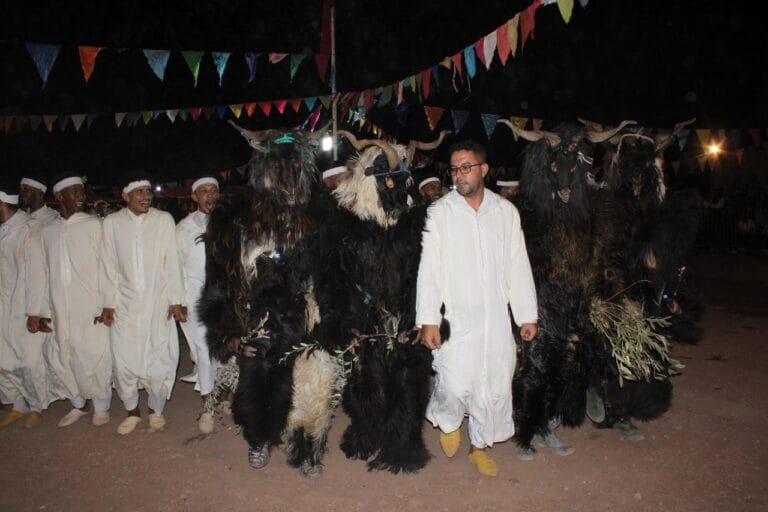
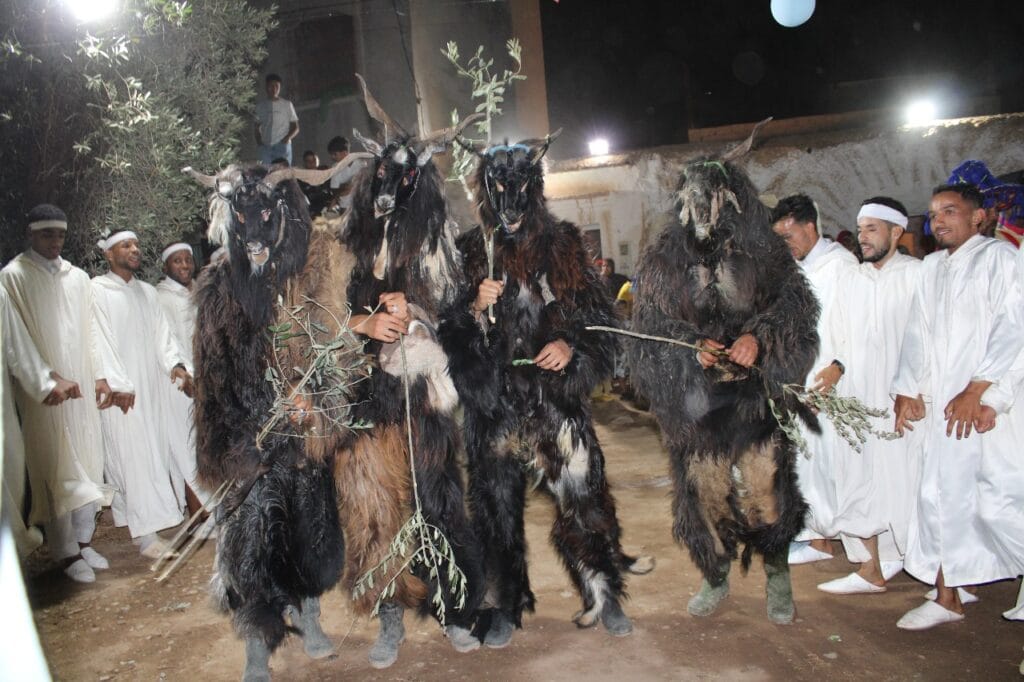
Ahwach is one of the best-known forms of collective performance associated with southern and central Moroccan Amazigh communities. Rather than being simply a dance, it combines coordinated movement, percussion, rhythm, and poetry in a communal performance.
Performers often organize themselves in formations that emphasize unity and synchronization. The strength of Ahwach comes from participation: the performance creates a temporary space where individuals become part of a larger collective.
In mountain society, music is not entertainment — it is social architecture, communication, and collective memory.
The most iconic form is Ahwach, a communal musical performance practiced throughout the High Atlas.
What Makes Ahwach Unique in High Atlas Communities?
One of the defining characteristics of Ahwach is its collective nature. Rhythm is produced through coordinated movement and percussion, while poetic exchanges can introduce themes relevant to the community.
The performance can therefore function as entertainment, social interaction, and oral expression at the same time. Its exact form can vary considerably from one region or community to another.
- Performed collectively, often with 20–100 participants
- Men and women form semicircles, facing each other or performing side-by-side depending on village traditions
- Use of large frame drums (bendir), clapping, stamping, and synchronized chanting
- Poetic improvisation, often in Tashelhit or Tamazight
- A call-and-response structure, reflecting communal living and interdependent daily life
Ahwach as an Expression of Identity
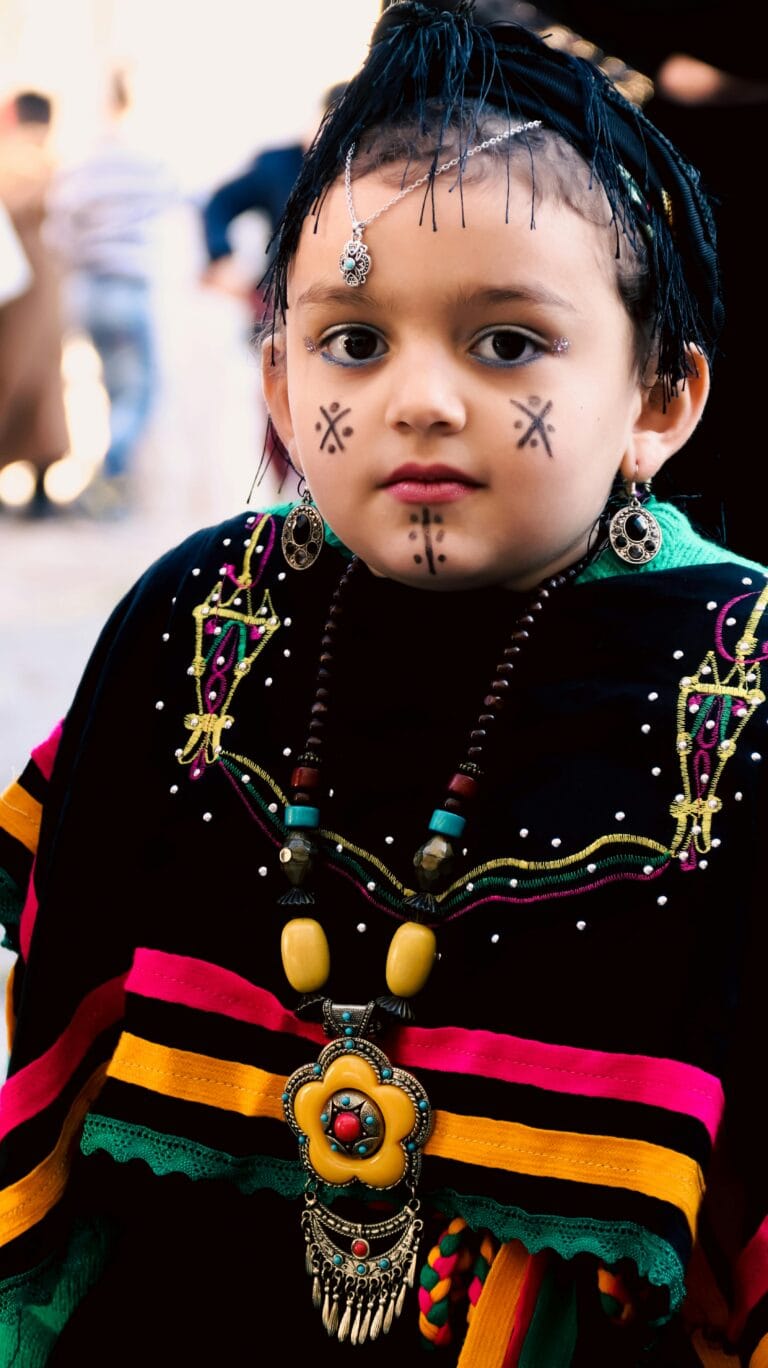
For many Amazigh communities, Ahwach provides a visible expression of belonging. Traditional songs and movements can connect younger generations with local cultural practices while maintaining links with older generations.
Today, Ahwach can be encountered both in village settings and on cultural stages, where it introduces wider audiences to the musical heritage of the High Atlas and southern Morocco.
Ahwach reinforces collective ethics, such as:
- timzdayn (community unity)
- tawenza (shared labour)
- asggas nni (annual cycle remembering ancestors)
- tawada (celebratory migration or gathering)
It is performed during:
- harvest celebrations
- weddings
- religious festivals
- the arrival of important guests
- the beginning of planting seasons
Its rhythms are believed to harmonize the community with mountain spirits and ancestral forces, maintaining a sacred balance between humans and nature.
2. Instrumental Traditions of the High Atlas
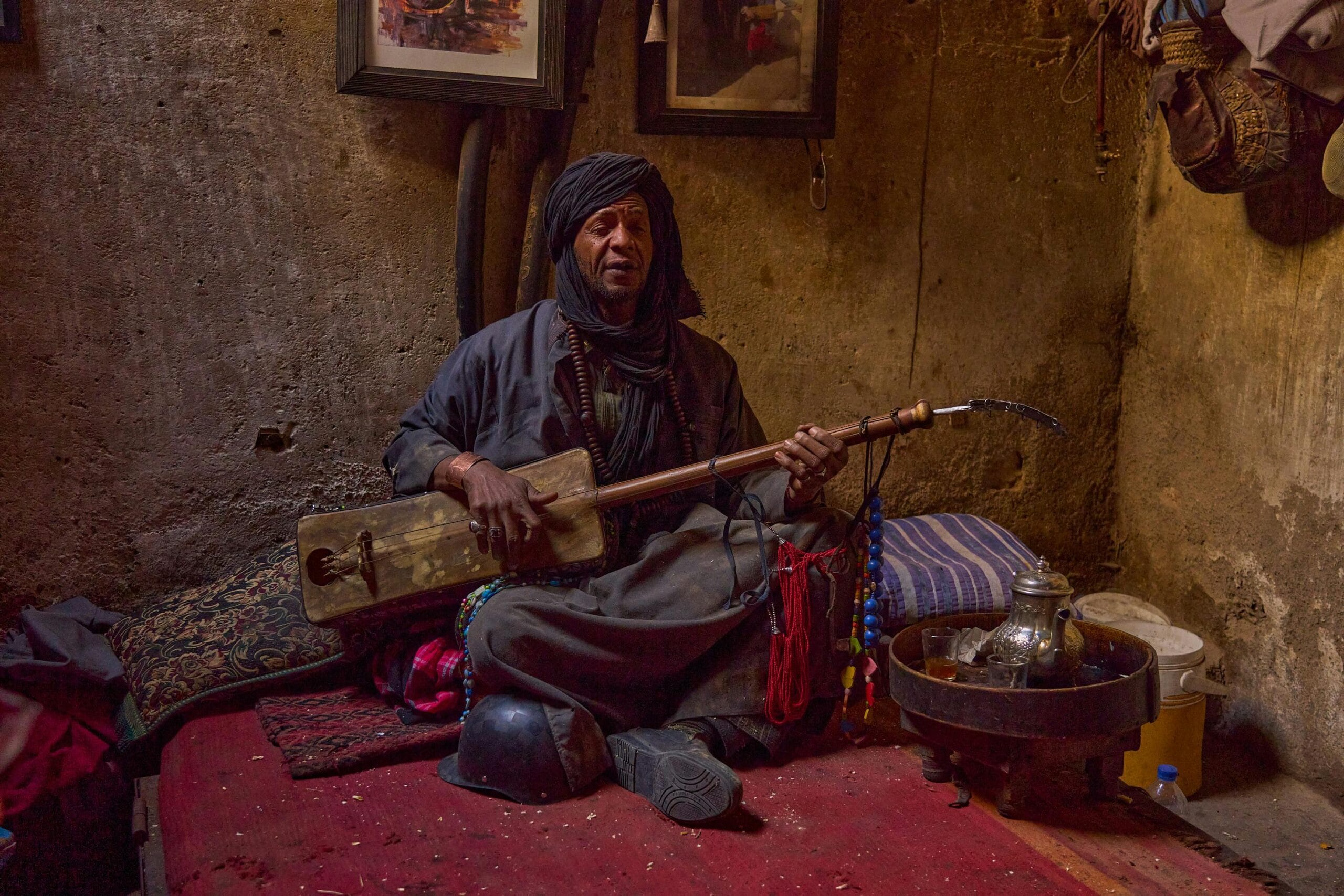
Traditional High Atlas music uses instruments adapted to local musical practices, including frame drums such as the bendir, Ganga, and Tallont, as well as other percussion instruments. Their rhythms can provide the structural foundation for collective singing and dancing.
The importance of these instruments goes beyond their sound. Musical knowledge is often transmitted informally, through observation and participation, allowing younger people to learn by taking part in community life.
Although Ahwach dominates communal life, the High Atlas also preserves several distinctive instruments:
- Ribab – a one-string bowed instrument used for storytelling
- Taghanimt – reed flute with melancholic tones
- Bendir – central to all communal performances
- Naqus – metal percussion traditionally used to gather people
These instruments articulate the acoustic landscape of the mountains, where echoes carry meaning across valleys and stone villages.
3. Oral Poetry: The Voice of the Mountains
Poetry has long been an important component of Amazigh cultural expression. Oral poets can address themes ranging from love and family to social values, landscape, migration, and community experiences.
Because oral poetry is performed and remembered rather than relying exclusively on written texts, it can serve as a living archive. Each generation has the possibility of preserving older themes while introducing new experiences into the poetic tradition.
The High Atlas is home to gifted imdyazen (Amazigh poets), who use poetic mastery to comment on:
- social issues
- history
- love
- migration
- environmental changes
- honour and dignity
Their poetry is often encoded with metaphors referencing water, mountains, and agriculture — the three foundational elements of Amazigh life.
AMAZIGH FOOD TRADITIONS: NUTRITION, SYMBOLISM, AND HOSPITALITY
Food is another essential part of Amazigh lifestyle in the High Atlas. Mountain communities have historically relied heavily on locally available grains, vegetables, fruits, livestock products, and seasonal resources.
Traditional food reflects both environmental conditions and social organization. What people eat depends on altitude, agriculture, pastoralism, water availability, and the rhythm of the agricultural year.
Food in the High Atlas is not merely sustenance; it is symbolic, medicinal, communal, and deeply tied to agricultural cycles. Every dish is a reflection of the earth.

1. Bread as a Symbol of Life
Bread has an important place in Moroccan and Amazigh food traditions. In rural communities, bread is closely connected with household life, agriculture, and hospitality.
Preparing bread can also represent a connection between several stages of rural life: cultivating grain, processing it, preparing the dough, and baking it for the family or guests.
Bread — agrum — is treated with deep respect.
If a piece falls to the ground, it is picked up, kissed, and placed on a clean surface. Bread symbolizes:
- divine blessing (baraka)
- the earth’s generosity
- ancestral sustenance
- protection from scarcity
High Atlas bread varieties include:
- Tafarnout (clay-oven bread)
- Tihnarin (pan-cooked flatbread)
- Tashtant (corn or barley bread for long workdays)
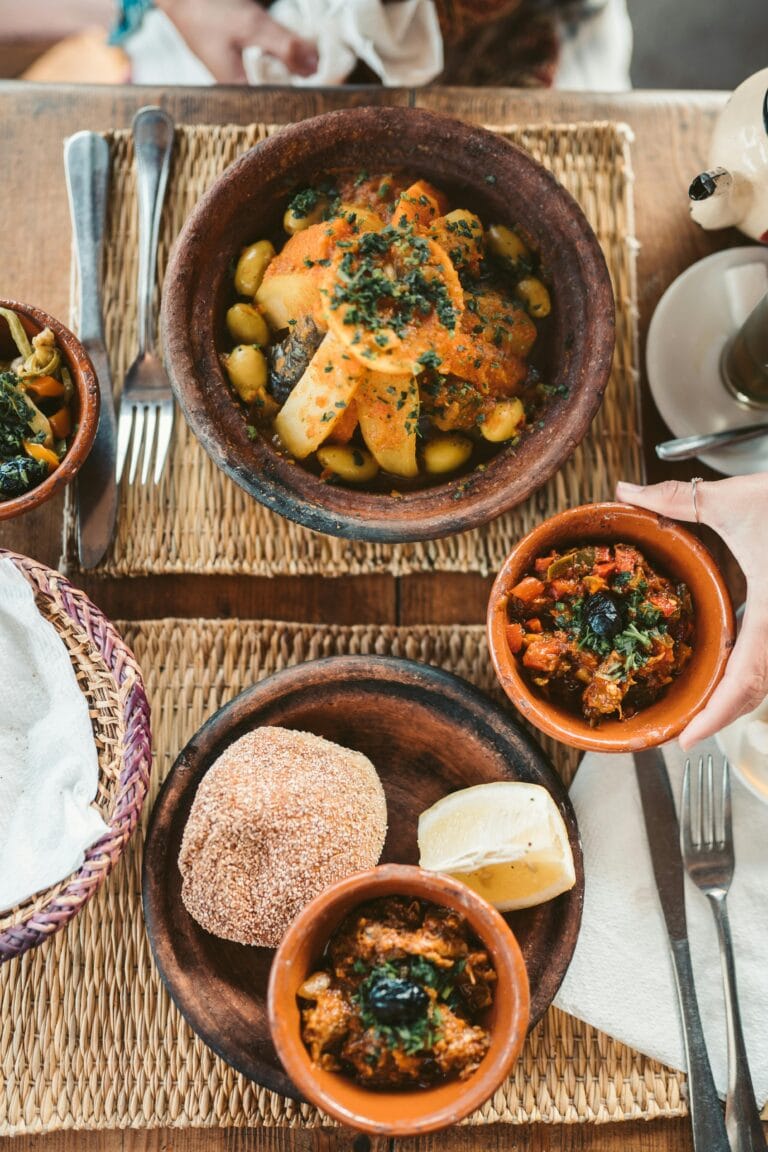
Bread is always served with oil, honey, butter, or tagines.
2. Pastoral Food Traditions
Pastoralism has historically contributed to the food economy of many High Atlas communities. Sheep, goats, and other livestock can provide milk, meat, and other products, while herding practices remain closely connected to seasonal movement and mountain landscapes.
These traditions demonstrate how food systems can develop around the ecological conditions of mountainous environments.
Amazigh lifestyle in High Atlas communities rely heavily on pastoralism, creating unique food traditions:
- Aghroum n lmach – barley bread with clarified butter
- Izmer – dried cheese
- Oudnin el-khrouf – traditional sheep dishes
- Amlou – almond-paste and argan-oil spread
- Assida n tazrart – barley porridge for cold winters
- Tagines flavored with mountain herbs like thyme, lavender, and rosemary
Food is seasonal, ecological, and based on complete utilization of available resources.

3. Hospitality and the Ritual of Serving Tea
Hospitality is a highly visible feature of Moroccan social life, and tea often plays an important role when guests are welcomed.
Serving tea creates time for conversation and social interaction. In this sense, hospitality is not simply about offering food or drink; it is also about creating relationships and demonstrating respect toward visitors.
In mountain culture, the way tea is prepared determines the quality of hospitality.
Tea is:
- a sign of peace
- a symbol of community
- a ritual of respect for guests
- a gateway to conversation and storytelling
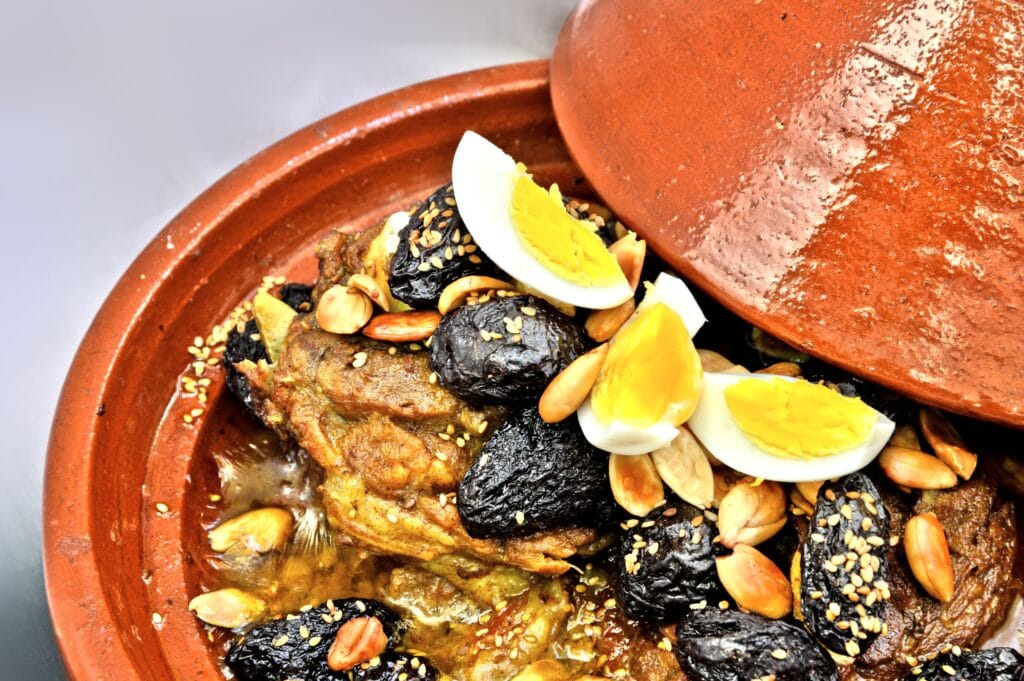
Tea is often served with local almonds, walnuts, or dates, reinforcing the region’s agricultural richness.
4. Food as Cultural Symbolism
Traditional food can carry meanings beyond nutrition. Certain dishes and ingredients are associated with family gatherings, celebrations, agricultural seasons, or religious occasions.
Recipes and preparation methods are frequently learned within families, making the kitchen an important place for cultural transmission.
Many dishes carry symbolic meaning:
- Couscous – unity and fertility
- Milk – purity and blessings
- Honey – sweetness of social relationships
- Barley – protection from hunger
- Argan oil – abundance and continuity
These symbols appear in ceremonies, weddings, and harvest rituals.
AGRICULTURE OF THE HIGH ATLAS: ECOLOGICAL WISDOM & MOUNTAIN RESILIENCE
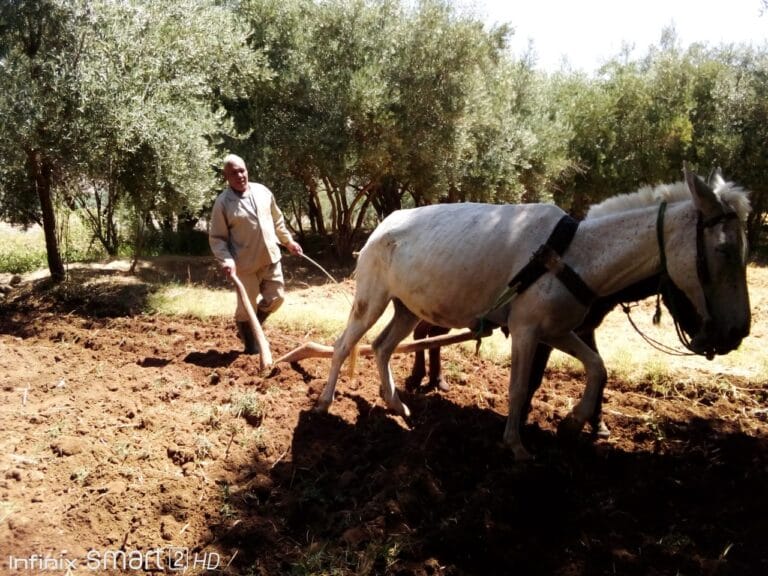
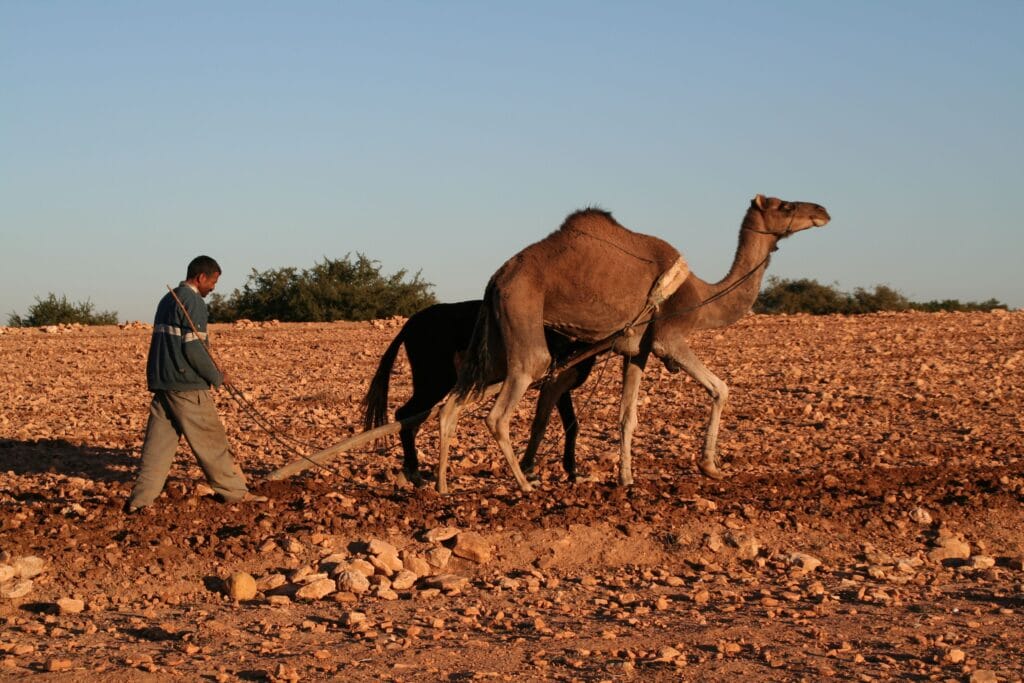
Agriculture has historically been central to Amazigh life in the High Atlas. Mountain farmers have adapted cultivation techniques to steep terrain, limited water, changing elevations, and short growing seasons.
Rather than treating the mountain environment as an obstacle, traditional farming systems work with its natural features. Terraces, irrigation channels, crop diversity, and seasonal knowledge demonstrate generations of adaptation to the landscape.
1. Terraced Agriculture: Engineering the Mountains
Terraced fields transform steep slopes into cultivable land. Stone walls help create relatively level areas where crops can be grown while also reducing soil erosion and managing water movement.
These terraces are more than agricultural structures. They represent accumulated environmental knowledge developed through generations of interaction with the mountain landscape.
The stepped terraces of the High Atlas represent one of the world’s oldest sustainable agricultural systems.
Why Terraces Are a Masterpiece of Mountain Engineering
Traditional terraces combine several functions. They create farmland, slow water runoff, help retain soil, and allow communities to cultivate slopes that would otherwise be difficult to farm.
Their effectiveness depends on continuous maintenance. This means that terrace agriculture is not only a technical system but also a social one, requiring knowledge and cooperation within the community.
- prevent soil erosion
- distribute water efficiently
- create microclimates
- stabilize steep slopes
- maximize small land surfaces
They demonstrate the sophisticated ecological intelligence of Amazigh farmers.
2. Water Management: From Ancient Canals to Modern Barrages
Water is one of the most valuable resources in the High Atlas. Communities have developed different methods of collecting, directing, storing, and distributing water for agriculture and household needs.
Traditional irrigation channels and local water-sharing arrangements demonstrate how mountain communities have adapted agriculture to an environment where water availability can vary greatly between seasons.
Traditional seguias (irrigation channels) transport melted snow and spring water to fields.
Water is distributed through:
- community councils
- ancestral rules (izerf)
- shared labour (tawenza)
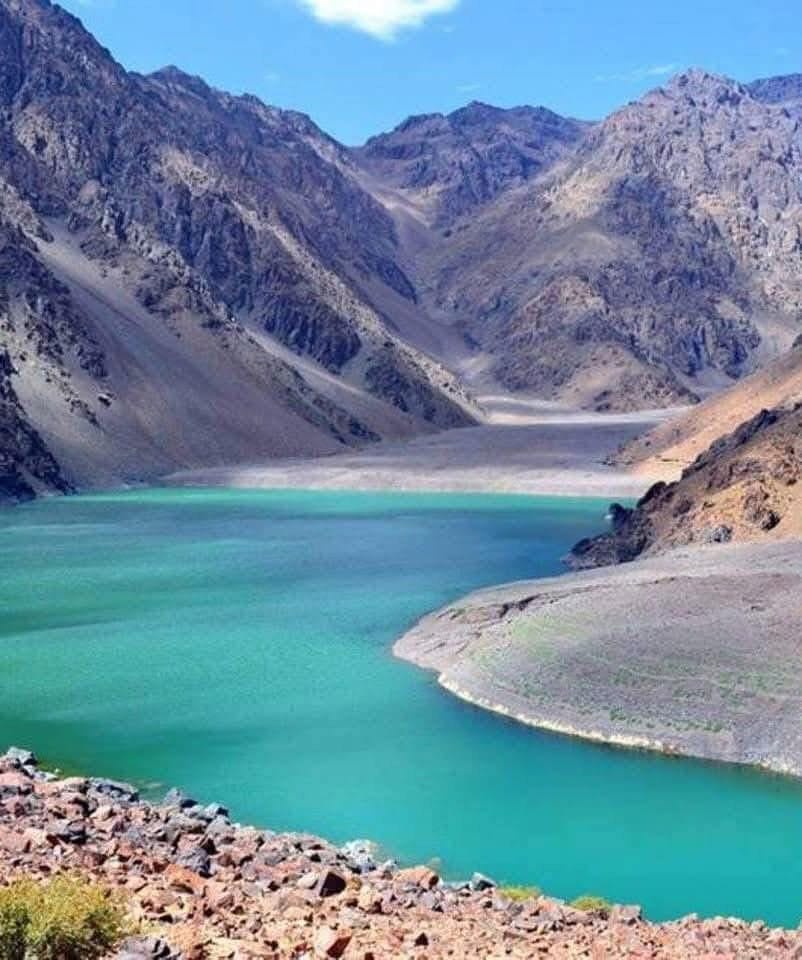
In modern times, Barrages of Morocco supply additional water, especially during drought. Although this article focuses on lifestyle, the presence of barrages influences:
- irrigation stability
- crop diversification
- protection from water scarcity
- socio-economic transformation
This connection allows your article to naturally link to your previous work on Barrage Mokhtar Soussi.
3. High Atlas Agricultural Products
Depending on altitude and local conditions, High Atlas communities cultivate products such as barley, wheat, maize, vegetables, fruits, walnuts, almonds, and other crops.
The diversity of production reflects the ecological variety of the mountains. Lower valleys, higher slopes, and oasis-like environments can support different combinations of crops.
Major crops include:
- barley – the backbone of Amazigh diet
- wheat – for couscous and bread
- corn – important in winter
- apples – especially in Imilchil, Rich, and Midelt
- walnuts – essential for trade
- almonds – symbolic of renewal
- herbs – thyme, oregano, rosemary, lavender
Livestock farming remains essential, especially for transhumance, the seasonal movement of herds.
4. Agriculture as Cultural Identity
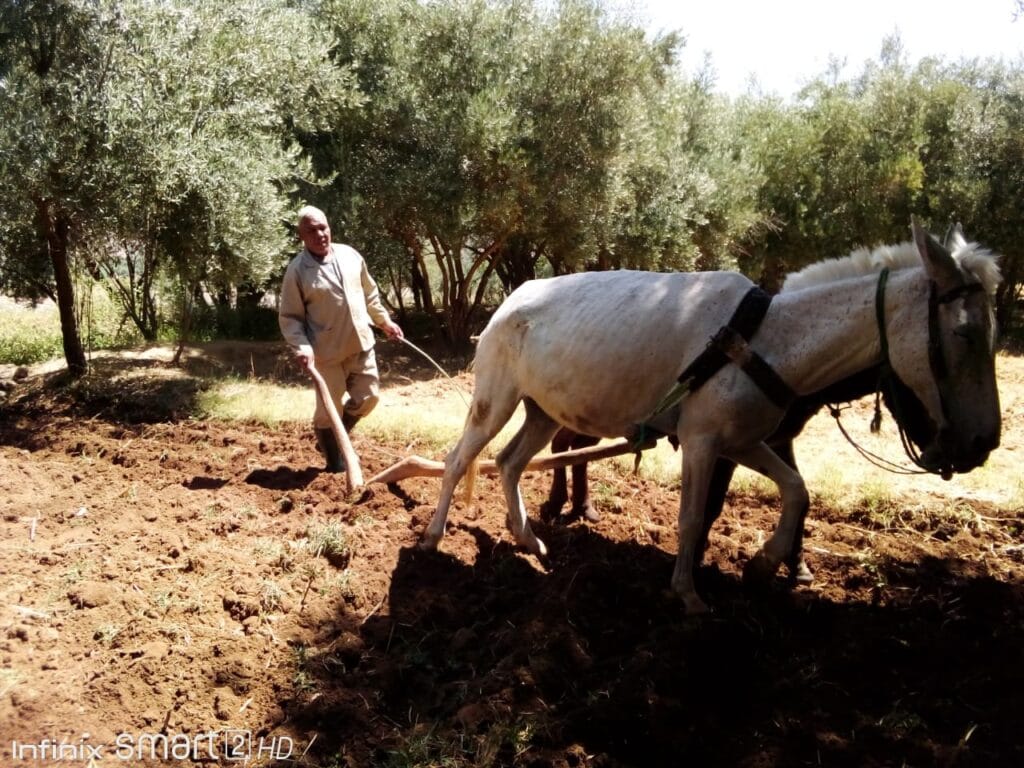
Agriculture is not simply an economic activity. It can shape community calendars, food traditions, celebrations, family responsibilities, and relationships with the land.
For this reason, preserving agricultural knowledge is also important for preserving elements of Amazigh cultural identity.
Farming is not only economic — it is ritualistic:
- The beginning of sowing is accompanied by prayers
- Harvest season includes community feasts
- Terracing is considered a sacred duty to maintain the mountains
- Women store seeds using ancestral techniques
Agriculture becomes a bridge between humans, land, and ancestors.
ORAL HERITAGE: MEMORY, IDENTITY & THE LIVED EXPERIENCE OF THE HIGH ATLAS
Written records represent only part of the cultural history of the High Atlas. Oral traditions have played an important role in preserving knowledge, stories, values, and memories within Amazigh communities.
Storytelling, poetry, proverbs, songs, and family narratives allow knowledge to move between generations. They also provide insight into how communities understand their landscape and social world.
1. Oral Storytelling: A Living Archive of Amazigh Lifestyle
Stories can preserve memories of ancestors, historical events, local places, unusual experiences, and moral lessons. They are often shared within families and community gatherings.
Because oral traditions are continually performed, they are not completely static. Storytellers may adapt details, language, and emphasis according to their audience and circumstances.
For centuries, Amazigh people preserved knowledge through:
- legends
- genealogies
- epics
- proverbs
- seasonal sayings (timshelhouin)
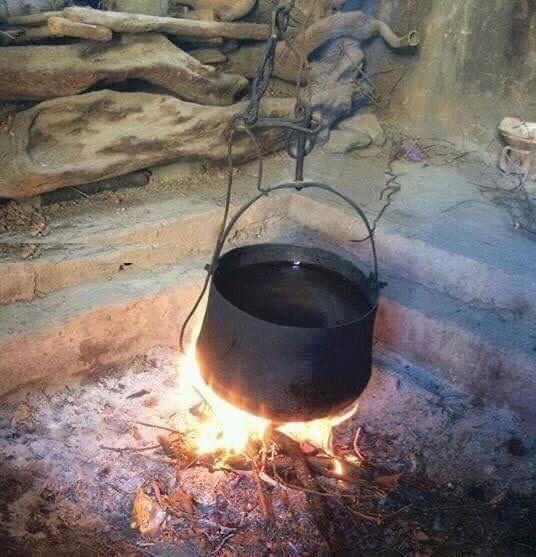
Storytelling is usually performed at night, around fire, especially during winter.
2. Proverbs as Cultural Codes
Amazigh proverbs often communicate practical observations and social values in short, memorable forms. They can address cooperation, patience, family relationships, agriculture, hospitality, and human behavior.
For researchers, proverbs are particularly valuable because they offer a window into community values and ways of interpreting everyday life.
Amazigh lifestyle proverbs reflect deep ecological and social wisdom. For example:
- “The mountain has no shortcuts” — symbolizing patience
- “A house without a guest is a desert” — emphasizing hospitality
- “Water belongs to everyone” — echoing ancient environmental ethics
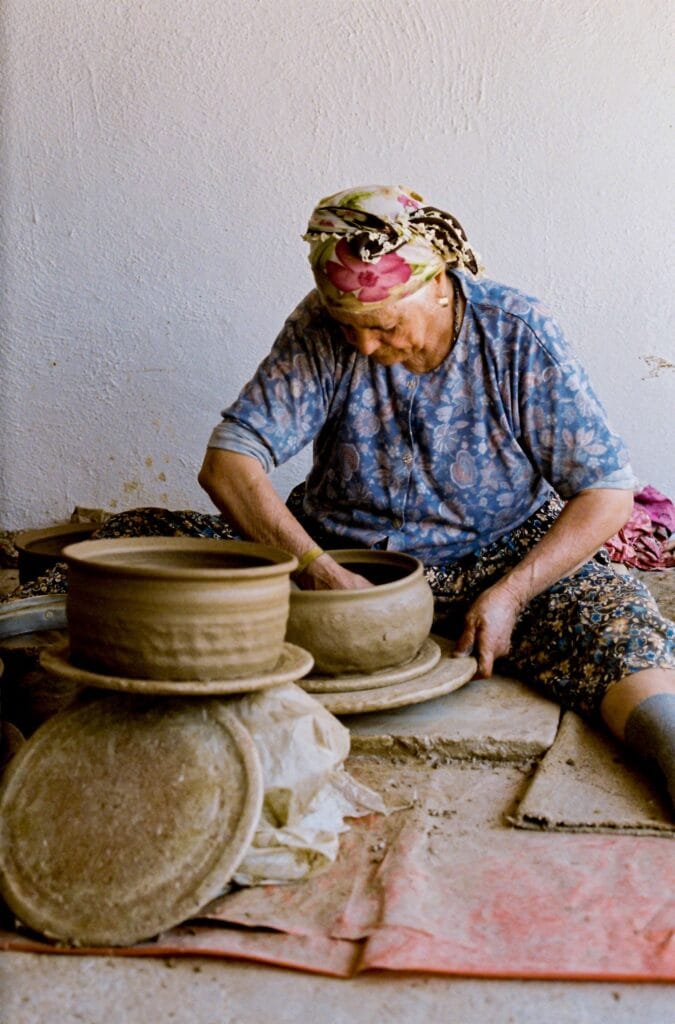
3. Women as Guardians of Memory
Women have played an important role in transmitting many aspects of household and community knowledge. Through food preparation, textile traditions, songs, stories, child-rearing, and ceremonies, cultural practices can be passed from mothers and grandmothers to younger generations.
This contribution is particularly important when discussing Amazigh heritage because cultural transmission does not take place only in public performances. Much of it occurs within homes and everyday activities.
Women preserve:
- lullabies
- weaving symbolism
- ritual chants
- oral genealogies
- herbal medicine knowledge
Their role in cultural continuity is central.
4. Seasonal Celebrations and Cultural Markers
The agricultural calendar has traditionally influenced the rhythm of mountain life. Planting, harvesting, pastoral movement, religious occasions, weddings, and seasonal celebrations can create important moments of collective participation.
These occasions bring together practical activities and cultural expression, reinforcing relationships between people, land, and community.
Important Amazigh lifestyle oral traditions appear in:
- Yennayer (Amazigh New Year)
- Agricultural New Cycle Rituals
- Marriage ceremonies
- Transhumance festivals
- Harvest celebrations
Each celebration includes music, food, poetry, and storytelling — forming a “complete cultural ecosystem.”
Frequently Asked Questions About Amazigh Lifestyle
1. What is the Amazigh lifestyle?
The Amazigh lifestyle refers to the traditional ways of living, working, celebrating, and maintaining community among Amazigh people across North Africa. In the High Atlas, it has been strongly shaped by mountains, agriculture, pastoralism, local resources, and community cooperation. Music, food, hospitality, oral traditions, and seasonal activities are important parts of this cultural heritage.
2. Where do Amazigh people live in Morocco?
Amazigh communities live across several regions of Morocco, including the High Atlas, Middle Atlas, Anti-Atlas, Rif, and Souss areas. Their languages, customs, music, architecture, and agricultural practices can vary considerably between regions. This regional diversity is an important characteristic of Amazigh culture.
3. What is traditional Amazigh culture known for?
Traditional Amazigh culture is known for its rich oral traditions, music, poetry, crafts, agricultural knowledge, hospitality, and distinctive artistic expressions. Community life has historically played an important role in preserving these traditions. Many practices continue today, although they have also evolved alongside modern Moroccan society.
4. What is Ahwach in Amazigh culture?
Ahwach is a collective musical and dance tradition practiced particularly in southern and central Moroccan Amazigh communities. It commonly combines percussion, coordinated movement, singing, and poetic expression. Ahwach can serve as entertainment while also strengthening community identity and transmitting cultural knowledge.
5. What kind of music do Amazigh people have?
Amazigh music includes many regional traditions rather than one single musical style. In the High Atlas and southern Morocco, forms such as Ahwach combine percussion, singing, poetry, and collective performance. Other Amazigh musical traditions include different instruments and performance styles depending on the region.
6. What foods are common in the Amazigh lifestyle?
Traditional Amazigh food varies according to geography and available resources, but grains, bread, vegetables, fruits, dairy products, meat, and seasonal foods have historically been important. In mountain communities, agriculture and pastoralism strongly influence local diets. Food is also closely connected with hospitality, family gatherings, and cultural celebrations.
7. Why is bread important in Amazigh culture?
Bread has traditionally been an important part of household life and food production in Amazigh communities. Its preparation connects agriculture with domestic knowledge, from cultivating grain to grinding, preparing, and baking it. Bread can also have an important social role when families share meals or welcome guests.
8. What role does agriculture play in Amazigh lifestyle?
Agriculture has historically been fundamental to life in many Amazigh mountain communities. Farmers developed techniques such as terracing and traditional irrigation to cultivate land in challenging environments. Agriculture also influences seasonal activities, food traditions, community cooperation, and relationships with the landscape.
9. What are agricultural terraces in the High Atlas?
Agricultural terraces are cultivated areas created on mountain slopes using walls and carefully managed soil and water. They allow farmers to use steep terrain while helping reduce erosion and control water movement. These terraces represent generations of environmental and agricultural knowledge.
10. How do Amazigh communities manage water?
Traditional communities have developed systems for collecting, directing, sharing, and conserving water for agriculture and household needs. Irrigation channels and locally established rules can help distribute scarce water resources among users. These systems demonstrate the importance of cooperation in adapting to mountain environments.
11. Why is hospitality important in Amazigh culture?
Hospitality is an important social value in many Amazigh communities and in Moroccan society more broadly. Welcoming visitors often involves offering tea, food, conversation, and a comfortable place to rest. Hospitality helps strengthen relationships and communicates respect toward guests.
12. What role does tea play in Amazigh communities?
Tea is an important part of social interaction in many Moroccan Amazigh communities. Preparing and serving tea creates an opportunity for conversation, hospitality, and spending time together. The practice is therefore social as well as culinary.
13. How are Amazigh traditions passed from one generation to another?
Many traditions are transmitted through everyday participation rather than formal education alone. Children and young people learn through family life, agricultural activities, music, storytelling, food preparation, ceremonies, and observation of older generations. Oral transmission remains particularly important for preserving cultural knowledge.
14. What is the role of oral tradition in Amazigh culture?
Oral tradition preserves stories, poetry, proverbs, historical memories, and knowledge about community life. In societies where much knowledge has traditionally been transmitted orally, storytelling can function as a living cultural archive. It also allows traditions to adapt as they pass from one generation to another.
15. What role do women play in Amazigh cultural heritage?
Women have played important roles in transmitting household and community knowledge, including food preparation, textile production, songs, stories, ceremonies, and child-rearing practices. Their contribution often takes place in everyday settings rather than only in public cultural performances. This makes women central to the continuity of many Amazigh traditions.
16. Can travelers experience Amazigh culture in the High Atlas?
Yes, travelers can encounter Amazigh culture through mountain villages, local markets, traditional food, music, handicrafts, agricultural landscapes, and community-based tourism experiences. Respectful travel is important, particularly when visiting villages or photographing people. Choosing local guides and locally owned accommodations can also help ensure that tourism benefits communities.
17. Why is Amazigh cultural heritage important today?
Amazigh cultural heritage provides valuable knowledge about community organization, environmental adaptation, agriculture, oral traditions, artistic expression, and relationships with the land. Preserving it helps maintain cultural diversity while allowing younger generations to understand their heritage. It also offers researchers and visitors a deeper understanding of Morocco’s cultural history.
CONCLUSION – AMAZIGH LIFESTYLE AS A MODEL OF RESILIENCE
The Amazigh lifestyle of the High Atlas is built around a close relationship with land, community, and cultural memory. Music, food, agriculture, hospitality, storytelling, and seasonal traditions continue to reveal how generations of mountain communities have adapted to their environment while maintaining a strong sense of identity.
The Amazigh lifestyle in Morocco is far more than a geographical formation — it is a self-sustaining cultural universe. Through music, food, agriculture, hospitality, and oral heritage, Amazigh communities demonstrate a sophisticated understanding of ecology, social organization, and spiritual life.
Even as modern transformations such as the Barrages of Morocco reshape water landscapes and provide new development opportunities, mountain communities continue to anchor their identity in ancestral knowledge passed down over millennia.
In understanding the Amazigh lifestyle, we understand not only a culture but a philosophy of resilience, harmony, and continuity that continues to guide mountain life today.