The Atlas Mountains of Iwziwn – Nature, Hiking, and Amazigh Heritage
Exploring the Soul of Morocco Through Its Majestic Peaks and People
The Atlas Mountains – The Beating Heart of Morocco’s Landscape and Identity
When you first lay your eyes upon the Atlas Mountains, stretching endlessly across Morocco like the backbone of the earth, you sense something far deeper than geology. These are not mere mountains — they are living witnesses to centuries of Amazigh resilience, culture, and harmony with nature. Rising between the Atlantic and the Sahara, the Atlas range has shaped Morocco’s environment, its traditions, and its spirit.
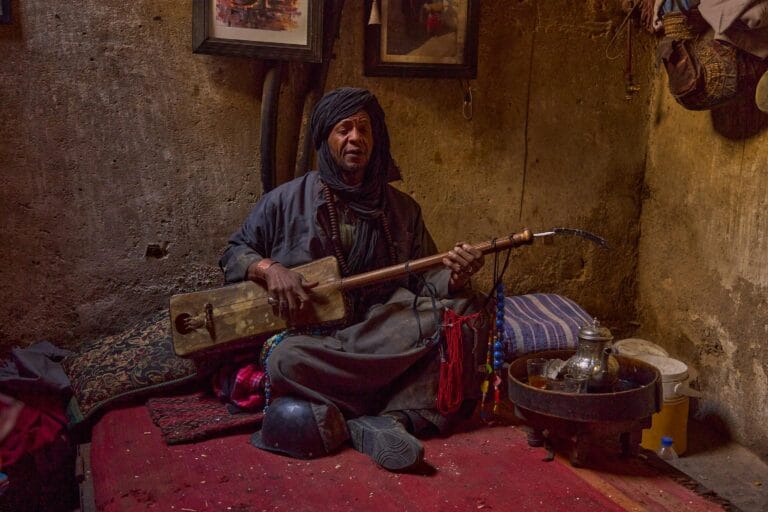
For thousands of years, the Amazigh (Berber) tribes have inhabited these slopes, carving out villages from stone and clay, weaving their lives into the rhythm of the valleys and peaks. The Atlas is their protector, provider, and spiritual guide — a place where nature, culture, and craftsmanship merge into a tapestry of identity.
Table of Contents
The Geography and Structure of the Atlas Mountains
The Atlas Mountains are divided into three main chains — the High Atlas, the Middle Atlas, and the Anti-Atlas (Lower Atlas) — each with its unique climate, vegetation, and cultural expressions.
The High Atlas – The Roof of North Africa
Known as “Idraren Draren” (“Mountains of Mountains”) by the Amazigh, the High Atlas runs diagonally across central Morocco, forming the highest peaks in North Africa.
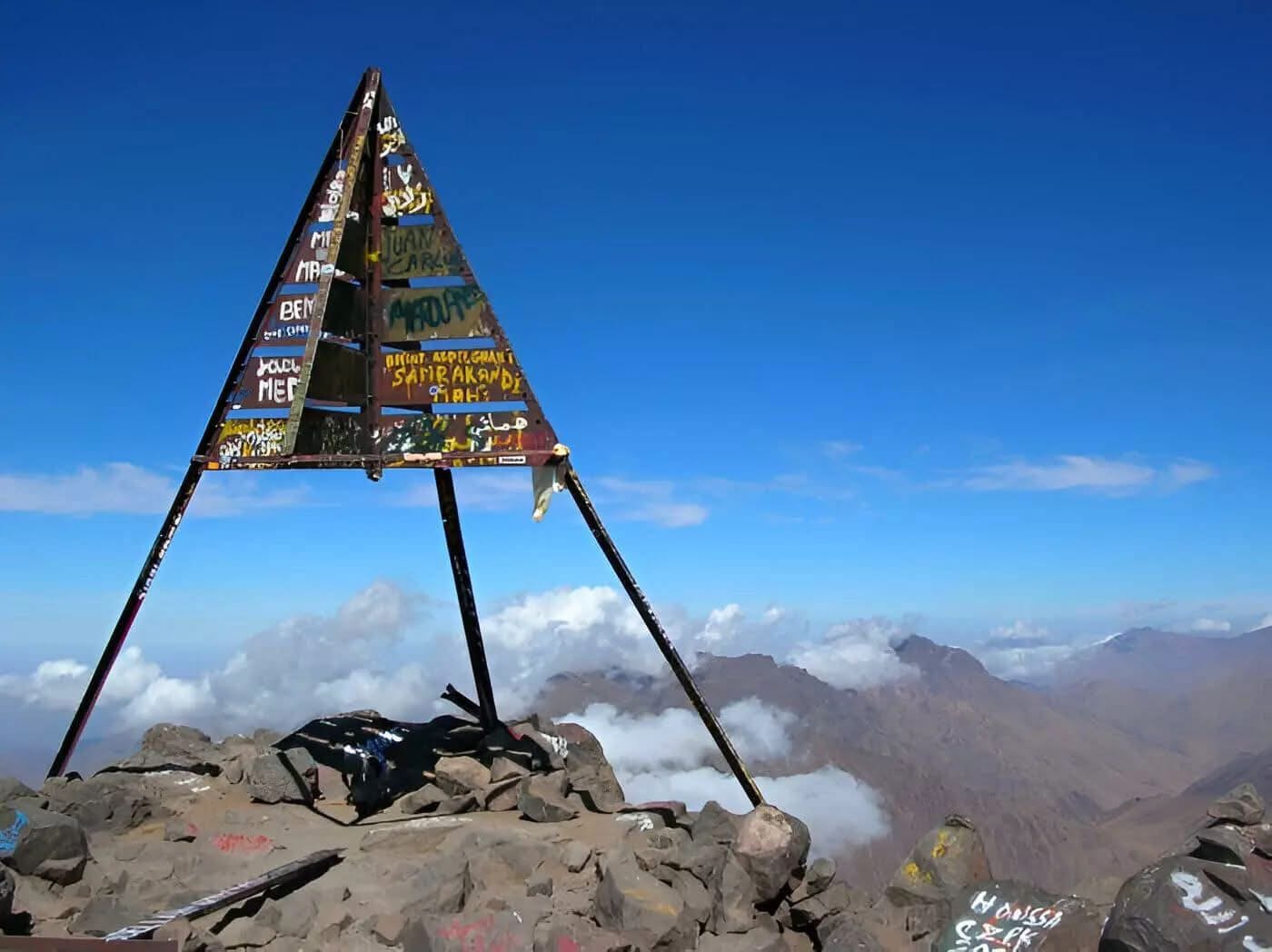
- Highest Peak: Mount Toubkal (4,167 meters / 13,671 ft) – the most famous summit in Morocco and one of the world’s great trekking destinations.
- Landscape: Dramatic valleys, glacial cirques, and snow-capped ridges that feed life-giving rivers like the Tensift and Draa.
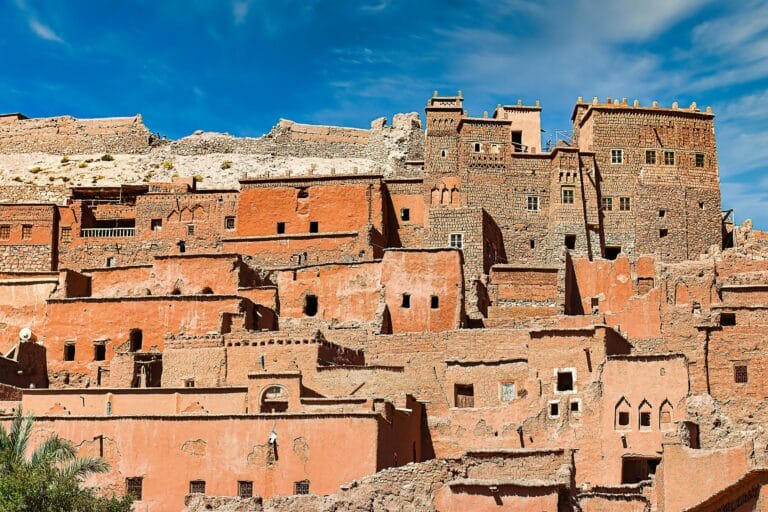
- Villages: Aït Benhaddou, Imlil, and Tacheddirt — each a living museum of Amazigh stone architecture.
Toubkal National Park is the crown jewel of the High Atlas — a realm of rough beauty and serenity. Hiking here isn’t just a sport; it’s a pilgrimage through time, tracing shepherd trails that have existed since antiquity.
The Middle Atlas – The Land of Cedar and Water
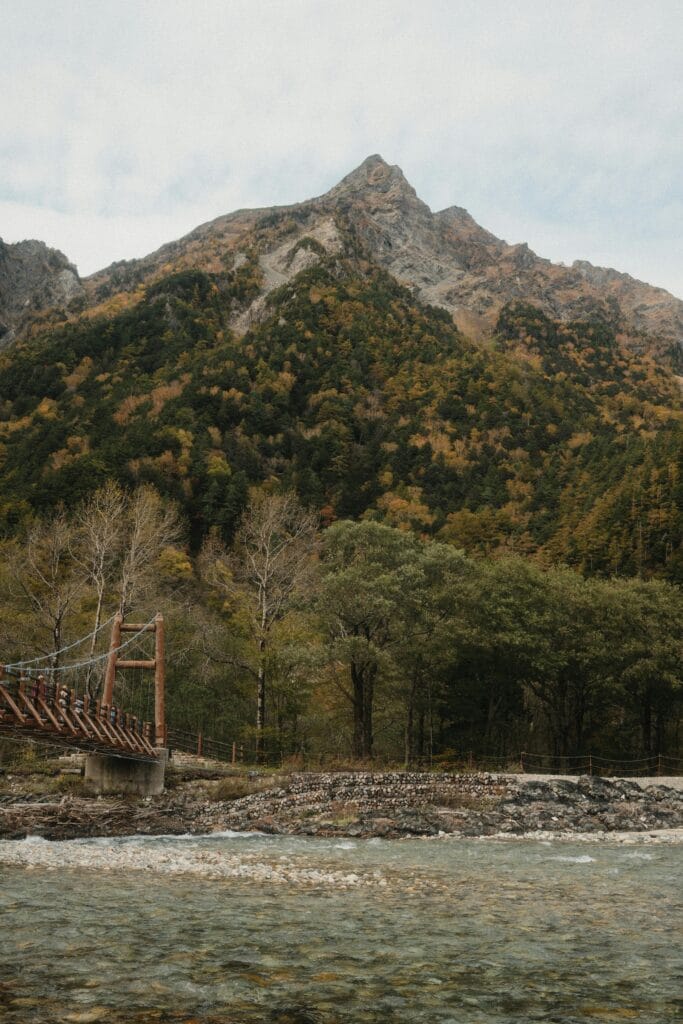
Stretching between Fez and Beni Mellal, the Middle Atlas is a realm of rolling hills, lakes, and cedar forests — a gentler landscape but rich in biodiversity and Amazigh life.
- Highest Peak: Jbel Bou Naceur (3,340 meters).
- Nature: Home to the Barbary macaque, ancient cedar groves, and clear mountain lakes such as Lake Aguelmame Azegza and Dayet Aoua.
- Culture: This is the heartland of the Zayanes and Aït Seghrouchen tribes, known for their traditional woven rugs, musical instruments, and vibrant markets.
The Middle Atlas has long been a crossroads between Morocco’s northern cities and its southern valleys. Its weaving traditions, agricultural rhythms, and spiritual connection to water make it a landscape of quiet endurance.
The Anti-Atlas – The Ancient Stone Spine of the South
Older than the High Atlas, the Anti-Atlas (Lower Atlas) stretches from the Atlantic coast near Tafraoute toward the Sahara.
- Highest Peak: Jbel Sirwa (3,304 meters), an extinct volcano standing between the High and Anti-Atlas ranges.
- Landscape: Pink granite formations, deep canyons, and palm-filled oases.
- Cultural Importance: Home to the Aït Atta and Aït Ouaouzguite tribes, whose art and silver jewelry are legendary.
Here, architecture and geology become one — houses are carved from rock, and terraces step down the mountainsides like ancient amphitheaters of earth.
The Amazigh People – Keepers of the Atlas Spirit
Life Shaped by Altitude
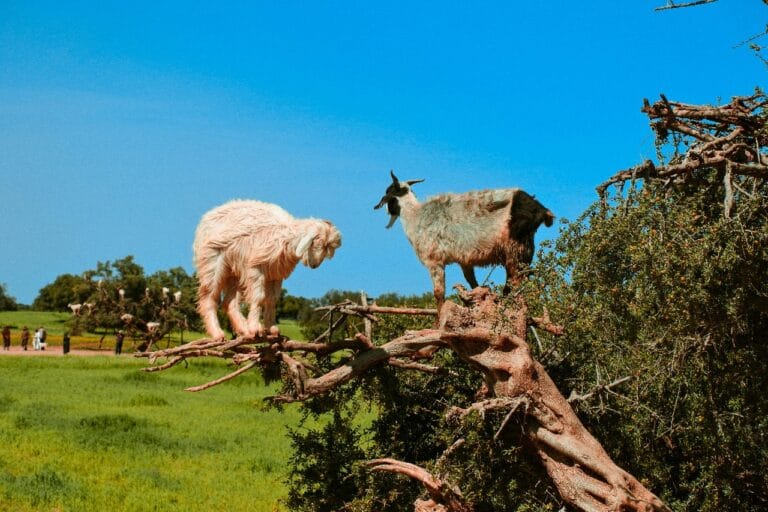
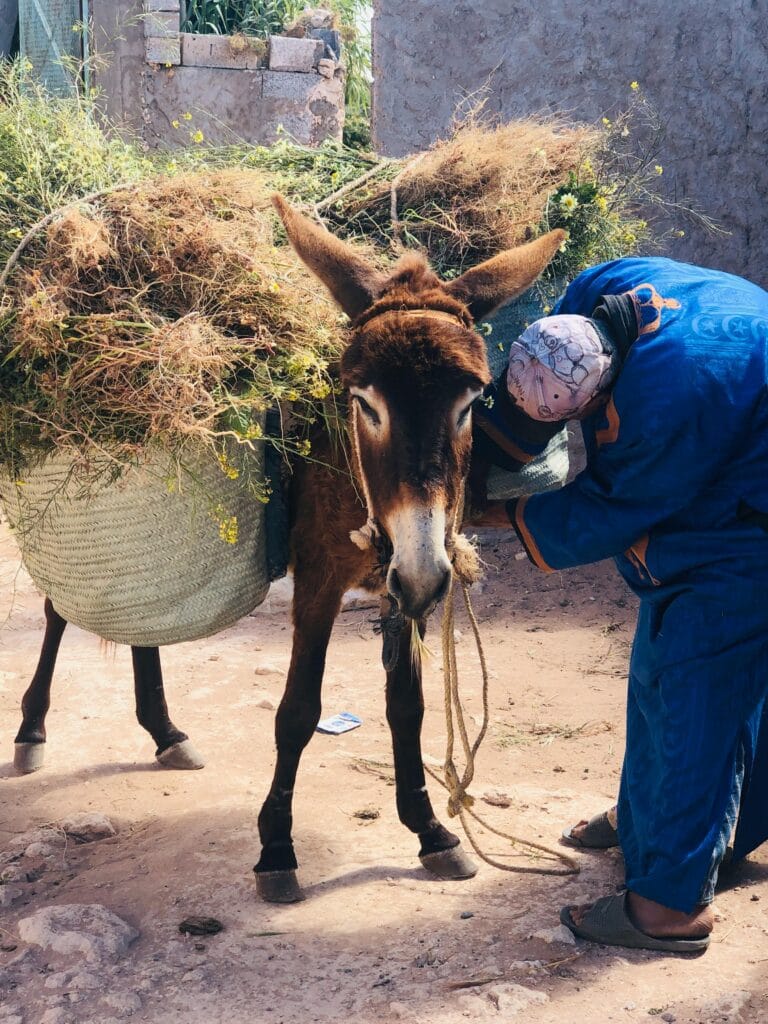
Living in the Atlas means adapting to both its blessings and challenges. The Amazigh communities have mastered self-sufficiency — cultivating barley, olives, almonds, and figs on narrow terraces; raising goats and sheep that graze on the high slopes; and weaving wool into blankets and rugs that warm their stone homes.
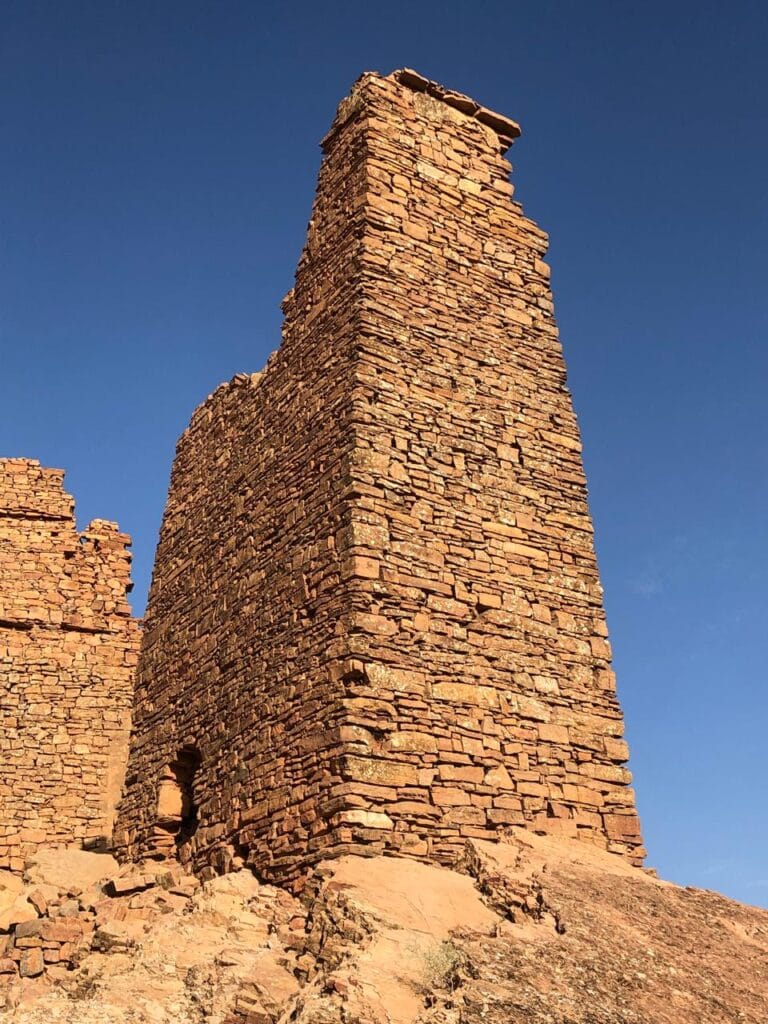
Their architecture — kasbahs, agadirs (granaries), and houses built of clay and stone — reflects centuries of ecological intelligence. Every village is built with respect for wind, sun, and water, blending seamlessly into the mountain.
Architecture of the Atlas – Earth as the Eternal Builder
In the Atlas, architecture is not an act of dominance over nature but an expression of harmony with it.
Building Materials – Clay, Stone, and Timber
- Clay provides insulation and breathability.
- Stone ensures durability and protection against mountain storms.
- Cedar wood, sourced from the Middle Atlas, strengthens ceilings and adds aroma to homes.
These materials are not imported — they are born from the very land beneath the builders’ feet, symbolizing the intimate bond between people and earth.
Village Structure and Social Design
A typical Amazigh village (ighrem) is organized around collective values.
- Houses cluster tightly to conserve warmth.
- The mosque, agadir, and public square form the heart of communal life.
- Water channels (seguias) and mills sustain agriculture through shared cooperation.
Each structure tells a story — a living testimony to solidarity, ingenuity, and faith.
Weaving and Craftsmanship – Threads of Identity
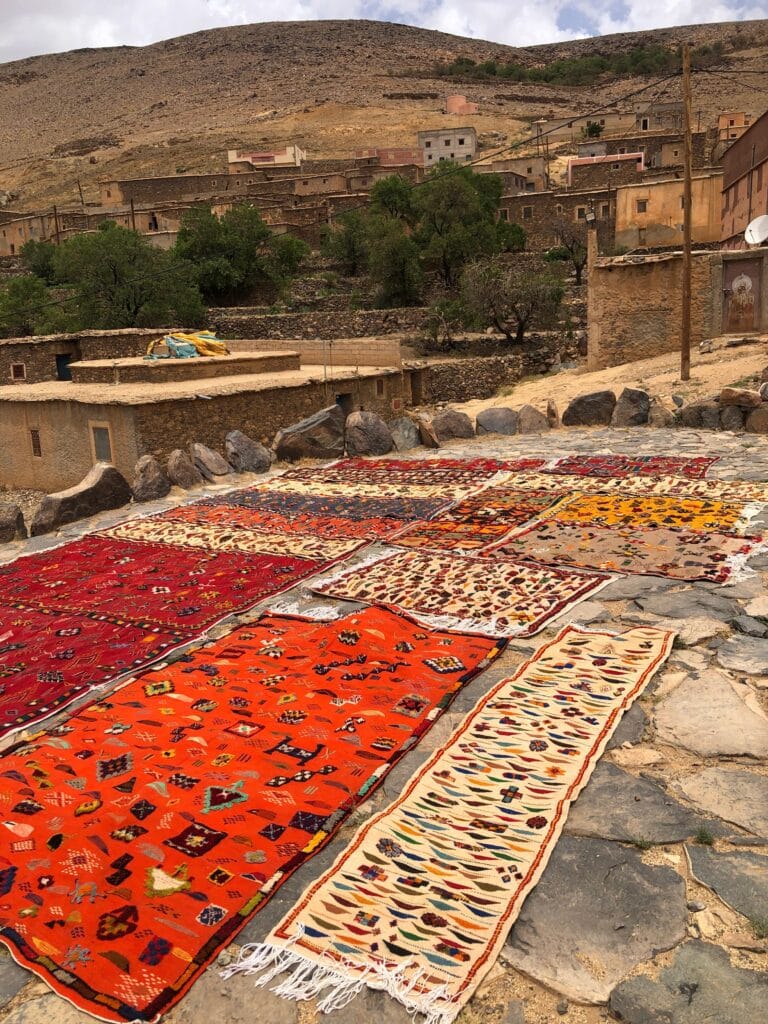
Weaving is among the oldest artistic traditions in the Atlas. In high-altitude villages, women spin and dye wool to create kilims and rugs adorned with geometric Amazigh symbols representing fertility, protection, and harmony.
- High Atlas Carpets: Known for strong colors — reds and oranges symbolizing vitality.
- Middle Atlas Carpets: Softer patterns, emphasizing diamond motifs and balance.
- Anti-Atlas Rugs: Incorporate silver threadwork and minimalist earth tones.
Each rug is a language woven by women, recording their emotions, heritage, and prayers in a code of lines and colors.
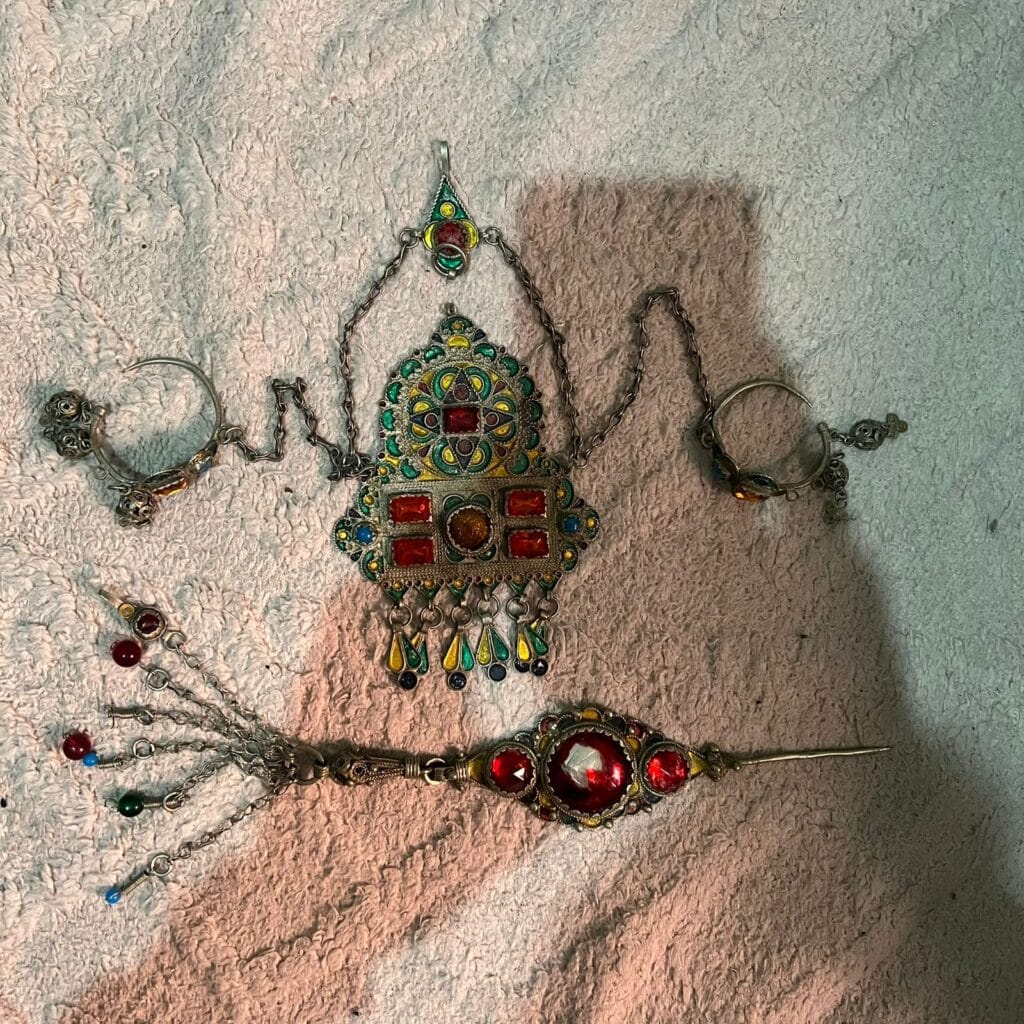
Jewelry and Symbolism – Silver as Spiritual Armor
Among Amazigh women of the Atlas, jewelry is never mere decoration.
- Silver is believed to protect against evil spirits.
- Coral and amber carry fertility and vitality.
- Triangular and diamond patterns echo the sacred geometry of Amazigh symbolism.
Necklaces, fibulae (tizerzai), and bracelets are handcrafted by artisans who inherit centuries-old skills. The symbolism links the wearer to ancestors and to the protective forces of nature itself.
Agriculture of the Atlas – Sustaining Life from the Mountains
Despite harsh terrain, Amazigh farmers have developed ingenious systems of terracing, irrigation, and crop rotation.
Main crops include:
- Barley and wheat, grown on narrow terraces.
- Olives and almonds, key to local diets and economy.
- Saffron, especially in the Sirwa region — “the red gold of Morocco.”
Seasonal festivals celebrate sowing and harvest, connecting agriculture to the spiritual rhythm of the land.
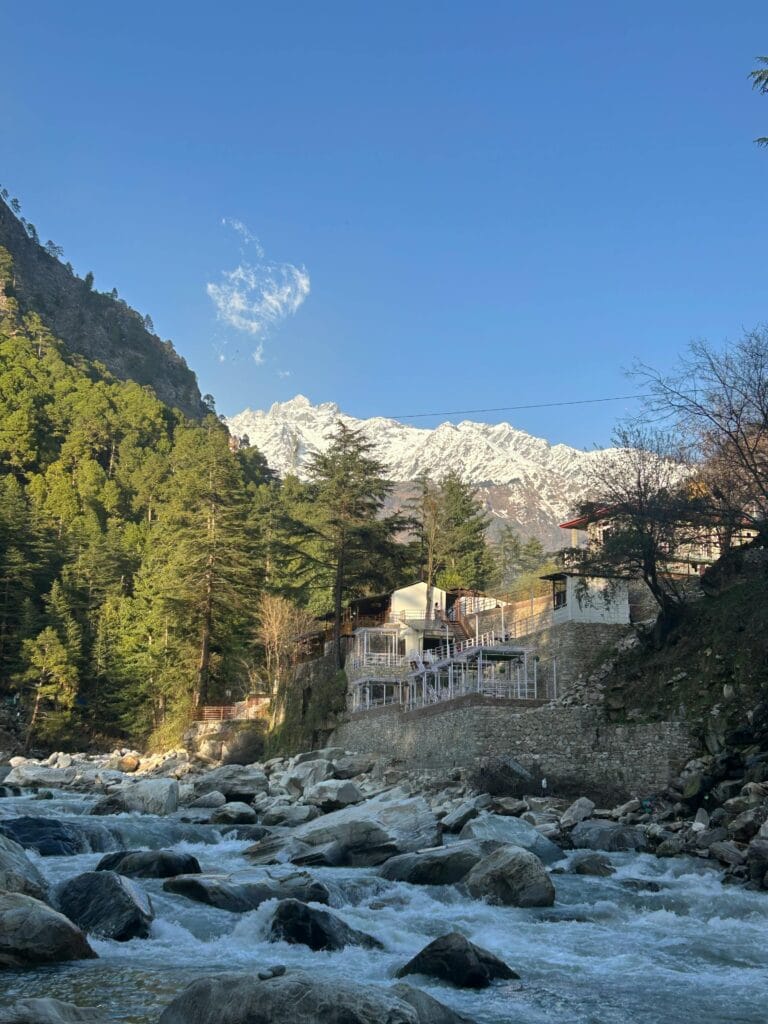
Hiking and Ecotourism – Walking the Ancient Trails
The Atlas is now one of Africa’s top destinations for eco-travel and cultural trekking.
- High Atlas: Mount Toubkal trek (from Imlil to the summit) is the ultimate experience.
- Middle Atlas: Hiking through cedar forests and lake circuits near Azrou and Ifrane.
- Anti-Atlas: Tafraoute and the Ameln Valley offer surreal granite landscapes and prehistoric rock art.
These treks are more than physical challenges — they’re journeys into living heritage, where each step unveils a new layer of Amazigh life.
The Sacred Connection Between Nature and Spirit
For the Amazigh, mountains are sacred guardians. Peaks like Toubkal, Mgoun, and Sirwa are not just geological features; they are spiritual entities symbolizing endurance, purity, and divine presence.
Many local legends link these mountains to saints (marabouts) whose shrines dot the landscape. Pilgrims visit them to seek blessings, rain, or healing. Nature and faith are intertwined — every river, tree, and rock carries memory and meaning.
The Atlas Mountains in Modern Morocco
Today, the Atlas remains a vital artery of Morocco’s soul — balancing tradition and transformation. Modern roads and tourism bring new opportunities, but they also challenge the delicate harmony of rural life.
Yet the Amazigh language (Tamazight), recognized constitutionally, is witnessing a renaissance. Artisans are reviving ancient crafts, and sustainable tourism is helping protect fragile ecosystems while celebrating the wisdom of mountain communities.
How to Reach the Atlas Mountains
- High Atlas: Reach from Marrakech (via Imlil or Ourika Valley). Roads are accessible year-round, with guided treks to Toubkal.
- Middle Atlas: From Fez or Meknes via Azrou or Ifrane — ideal for nature lovers.
- Anti-Atlas: From Agadir or Taroudant toward Tafraoute — a road trip through pink granite valleys.
Each route offers a unique sensory experience — shifting from red rock to green forest to snow-white peaks, echoing Morocco’s incredible diversity.
Preserving the Atlas Heritage
The Atlas faces threats from climate change, overgrazing, and modernization. Sustainable practices — eco-lodges, reforestation, and heritage conservation — are vital. Organizations and local cooperatives are promoting eco-friendly crafts, organic argan and saffron production, and community-based tourism to safeguard both nature and culture.
Conclusion – The Atlas Mountains: Morocco’s Eternal Symbol of Life
The Atlas Mountains are far more than a landscape — they are a civilization in stone and spirit. They tell the story of human resilience, creativity, and coexistence with nature. From the snowy ridges of Toubkal to the red valleys of Tafraoute, each rock and village carries an echo of Amazigh poetry, prayer, and persistence.
To walk through the Atlas is to walk through the living memory of Morocco itself — a land where every mountain breathes history, every craft tells a story, and every sunrise renews a thousand-year-old harmony between humanity and the earth.
FAQs About The Atlas Mountains
Q1: What makes the Atlas Mountains unique in Morocco?
The Atlas Mountains are home to the highest peaks in North Africa and represent the cultural and ecological heart of Morocco, blending dramatic landscapes with centuries of Amazigh tradition.
Q2: What is special about Mount Toubkal?
Mount Toubkal (4,167 m) is the highest point in North Africa. It symbolizes strength and endurance in Amazigh culture and offers one of the most rewarding trekking experiences in the world.
Q3: Are the Amazigh people still living in the Atlas Mountains?
Yes — many Amazigh communities continue to live in mountain villages, maintaining traditional crafts, architecture, and agriculture while integrating sustainable tourism.
Q4: Which crafts originate from the Atlas Mountains?
Key crafts include weaving, silver jewelry, pottery, and earth-based architecture — all deeply connected to nature and symbolism.
Q5: When is the best time to visit the Atlas Mountains?
Spring (March–May) and autumn (September–November) offer the best weather and most vibrant scenery.