Morocco Travel Tips: The Complete First-Time Visitor’s Guide
Introduction – Morocco is not a place you visit; it is a place that receives you
Some destinations entertain you, here is Morocco travel tips to enjoy your journey, that you should know during your trip in Morocco.
Morocco hosts you, feeds you, teaches you, and — if you listen — it changes you.
Its mountains speak in Amazigh rhythm,
its Sahara echoes histories older than empires,
its coast sings through Gnawa and Andalusian strings,
and its people live by unwritten codes of honor, modesty, and hospitality.
Yet most travel blogs reduce Morocco to souks, camels, and leather bags.
This guide is different.
It brings you Insider Morocco Travel Tips rooted in Amazigh values — tips that explain WHY rules exist, HOW to behave in harmony, and WHAT makes the country unforgettable.
Morocco is not simply a place you visit, but a places that welcome you.
In Amazigh culture, your worth as a traveler is measured not by what you have, but by how respectfully you enter a community.
Here are deeper, people-based rules most tourism blogs never tell you:
Let’s walk through Morocco with these Morocco Travel Tips, curiosity, and wonder.
Table of Contents
1. Do Females Have to Cover Up in Morocco?
Understanding Modesty, Not Oppression
No — but dressing respectfully earns admiration, especially in Amazigh rural areas.
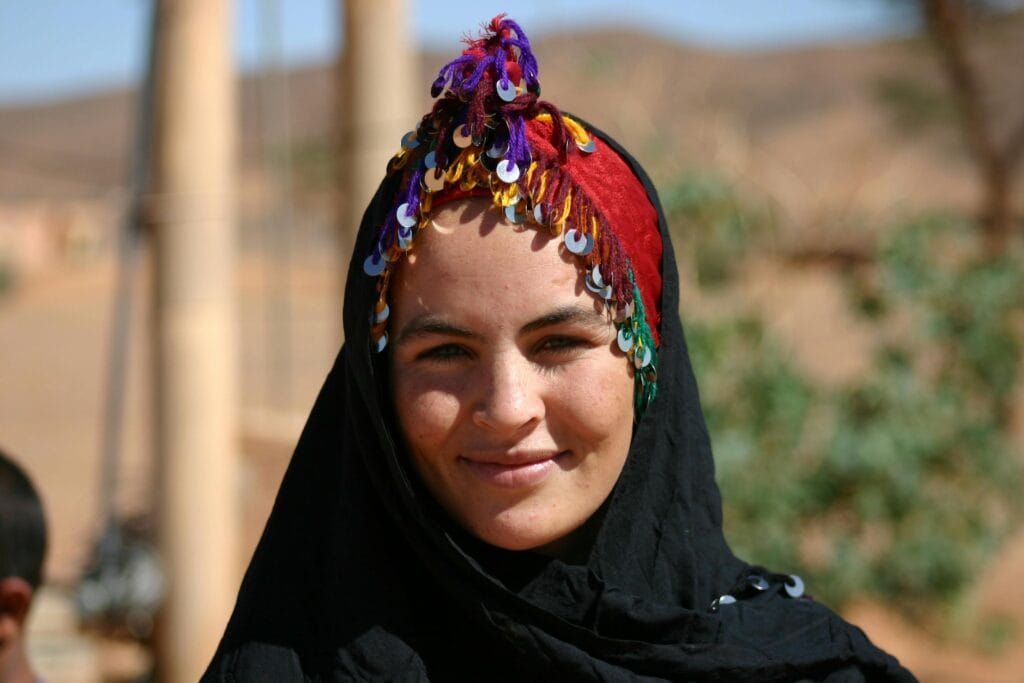
Light scarves, modest tops, and knee-length garments are perfect. You’ll notice Moroccan women themselves blend style with modesty — it is cultural dignity, not religious enforcement.
Morocco is neither Saudi Arabia nor Western Europe.
It is its own rhythm, where modesty is a cultural value, not a punishment.
Women do NOT have to dress in hijab.
Many Moroccan women do not cover their heads.
So what makes dressing respectful in Morocco?
✔ Clothing that is not tight
✔ Avoiding deep cleavage
✔ Covering thighs in traditional or rural areas
✔ Light scarves in sacred places — optional but appreciated
Amazigh Cultural Lens:
In Amazigh mountain society, modesty is connected to honor and dignity (izz).
It is a way of saying:
“I respect myself and I respect the space I enter.”
Tourists who adopt this are often treated with warmth.
2. Can Females Wear Shorts in Morocco?
Yes, especially in Marrakech, Agadir, Casablanca, Tangier, and Essaouira.
In mountain villages, opt for longer shorts or light trousers — not because it is forbidden, but because Amazigh communities value respectful presentation.
YES — but it depends on context.
✔ Beach towns?
Shorts and swimwear are normal (Agadir, Essaouira, Mediterranean resorts).
✔ Marrakesh or Casablanca?
Tourists wear shorts freely — locals may look, but no issue.
✔ Rural villages, Amazigh mountains, Taroudant, or conservative towns?
Prefer:
- loose trousers
- knee-length skirts
- flowy dresses
This is not enforcement — it is social intelligence.
Insight:
In Amazigh culture, being welcomed is tied to mutual respect.
Dress modestly, and doors open — literally.
3. Can You Drink Alcohol in Morocco?
Yes — legally, but respectfully.
BUT the unspoken rule is: drink quietly, don’t disturb others, and avoid public intoxication.
Morocco respects private choices but protects public harmony. Morocco produces wine and beer and sells alcohol in:
✔ licensed supermarkets
✔ hotels
✔ bars
✔ resorts
Tourists drink legally.
The cultural nuance:
Avoid public drinking outside licensed places — not because it is illegal,
but because public intoxication violates dignity norms.
Amazigh communities honor:
- mental clarity
- self-control
- communal respect
If you drink discreetly and responsibly, nobody minds.
If you stagger in public — you embarrass yourself and disrespect the place.
4. What Not to Do in Morocco as a Tourist
These are Amazigh-informed principles — not clichés
❌ Do NOT touch people’s heads — it’s sacred
Especially children.
❌ Do NOT assume Morocco is “Arab only”
There are Amazigh, Sahari, Andalusi, Jewish, and African influences.
❌ Do NOT refuse mint tea abruptly
Refusing hospitality signals disrespect.
Drink a sip — it is symbolic.
❌ Do NOT take photos without permission
Dignity is central — ask first.
❌ Do NOT assume bargaining means trickery
Negotiation is social performance, not deception.
❌ Do NOT impose Western feminist narratives
Amazigh societies historically had powerful matriarchs —
listen before judging.
5. What Are the Unspoken Rules in Morocco?
Welcome to the invisible foundations of the country:
✔ Tismmi (hospitality)
A guest is a blessing.
People may give you food before eating themselves.
✔ Tiwizi (collective help)
Villages build houses and harvest fields together.
✔ Hshuma (respectful shame)
Behave with dignity; avoid humiliation or arrogance.
✔ Tamanast (solidarity)
Family, village, guest — all protected.
✔ Baraka (spiritual blessing)
People speak kindly to attract blessing and avoid envy.
✔ Sabr (patience)
Things take time — a virtue, not inefficiency.
These values shape interactions more than laws or signs.
6. So Why Should You Visit Morocco?
Because Morocco hosts you into a worldview
Morocco is not a place you visit; it is one that transforms you.
Traveling here exposes you to:
- languages older than Rome
- songs older than Islamic dynasties
- markets that function like cities of memory
- villages built as democracies long before France or England existed
The Amazigh worldview sees travel as a pathway to blessing —
So if you arrive with respect, the country opens its deepest layers to you.Most travel blogs list:
- beaches
- food
- Sahara tours
But the real reason you should visit Morocco is Cultural Intelligence.
Morocco teaches you:
✔ hospitality as a language
✔ patience as peace
✔ bargaining as diplomacy
✔ identity as belonging
✔ diversity as harmony
Amazigh people say:
“The land teaches the traveler more than the traveler expects.”
Visit Morocco — not to collect photos — but to grow.
Why Morocco Stays in Your Heart After You Leave
Because Amazigh Morocco feels ancient yet alive:
- Music like Ahwach carries history into rhythm
- Carpet symbols encode philosophy
- Hospitality transforms strangers into kin
Morocco is not just scenery —
It is a moral landscape that teaches you how to be a better human.
Extra Cultural Morocco Travel Tips You Won’t Find in Guidebooks
✔ Learn to read Morocco spiritually, not just visually
Morocco operates through symbols:
- A door means privacy
- Mint tea means trust
- Bread is sacred — never throw it away
- Hospitality is a duty, not an option
Once you understand this, you stop being a tourist — you become a welcomed guest.
✔ Let Amazigh food teach you values
Couscous is shared, not plated individually.
Bread is torn communally, not cut.
Olive oil is a gift of the land, not a condiment.
Food here teaches:
➡ sharing
➡ gratitude
➡ equality
A meal becomes a course in humanity.
✔ The mountains teach philosophy
The High Atlas teaches that beauty is earned —
You reach it only by effort, patience, and respect for nature.
First-Time Visitor Checklist
Before boarding your flight, make sure you’ve completed these essentials:
✔ Passport valid for at least six months
✔ Travel insurance
✔ Hotel confirmations
✔ Local currency or international bank card
✔ Offline Google Maps
✔ Translation app
✔ Universal power adapter
✔ Comfortable walking shoes
✔ Light jacket for evenings
✔ Sunscreen and reusable water bottle
7. Insider Morocco Travel Tips (True advice locals give)
✔ Accept tea — it is entry to the culture
Mint tea is conversation, friendship, and blessing.
✔ Learn three Amazigh words
- Azul (hello)
- Tanemmirt (thank you)
- Ayyuz (bravo)
You will see eyes light up.
✔ Slow down
Morocco opens slowly — don’t rush the market, the mountains, or people.
✔ Travel beyond cities
You haven’t seen Morocco until you see villages, mountains, and rivers.
✔ Hire local guides
They protect culture and make hidden places visible.
✔ Respect prayer time
You do not need to be silent — just aware.
8. Safety and Social Awareness Morocco Travel Tips
✔ Morocco is safer than most countries
But use common sense:
- don’t display cash
- avoid deserted alleys late
- pick pocketing exists — like everywhere
Amazigh villages especially treat guests as sacred
Disturbing a tourist is shameful —
so rural areas often feel safer than big cities.
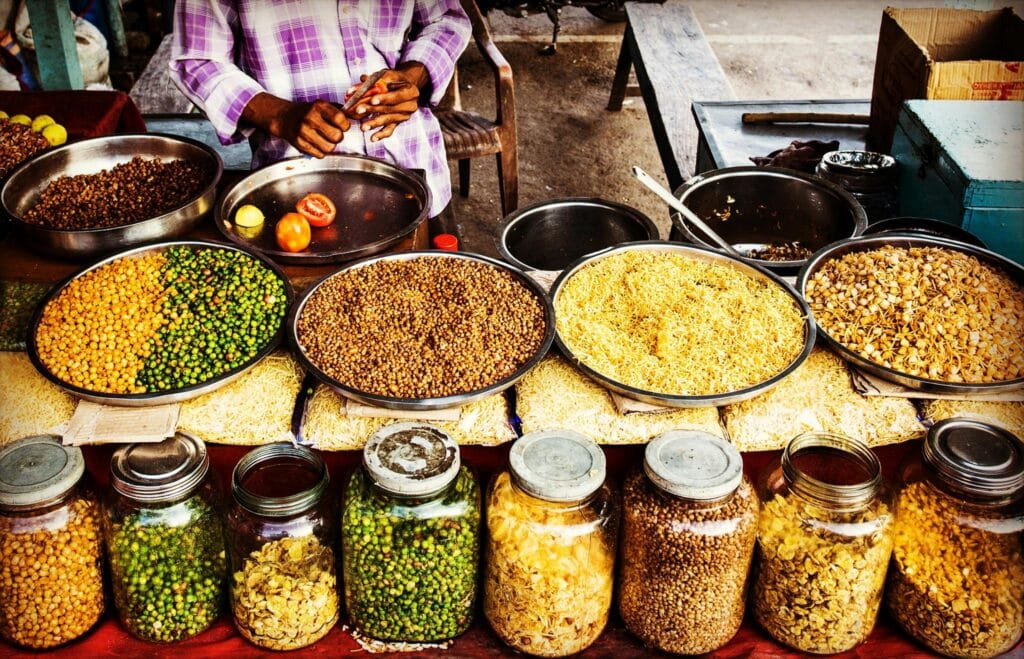
9. Eating in Morocco — more than food, it is love
Moroccan meals embody:
✔ generosity
✔ time
✔ community
Insider Morocco Travel Tips:
The best meals are not in restaurants —
they are in homes and mountain guesthouses where:
- bread is baked by hand
- argan oil is pressed in the courtyard
- meat comes from local farms
- couscous is steamed three hours
Ask your guide or host family for a home meal —
it will change your understanding of Moroccan culture.
10. Dress Code for Men and Women — What Works Best
✔ Loose clothing
Comfortable in heat
Respectful in culture
✔ Light scarf
For sun / sand / mosques — practical and appreciated
✔ Layers
Morocco has snow and Sahara heat — often in the same week
✔ No need to cover head
Unless visiting a very traditional home
The secret:
Dress with dignity and intention — you will be welcomed everywhere.
12. The Best Time to Visit Morocco: Morocco Travel Tips
✦ Spring (March–May)
Mountains bloom, rivers alive
✦ Autumn (September–November)
Cool evenings, warm days, harvest rituals
✦ Winter for desert lovers
Sahara feels dreamy
✦ Summer for beaches
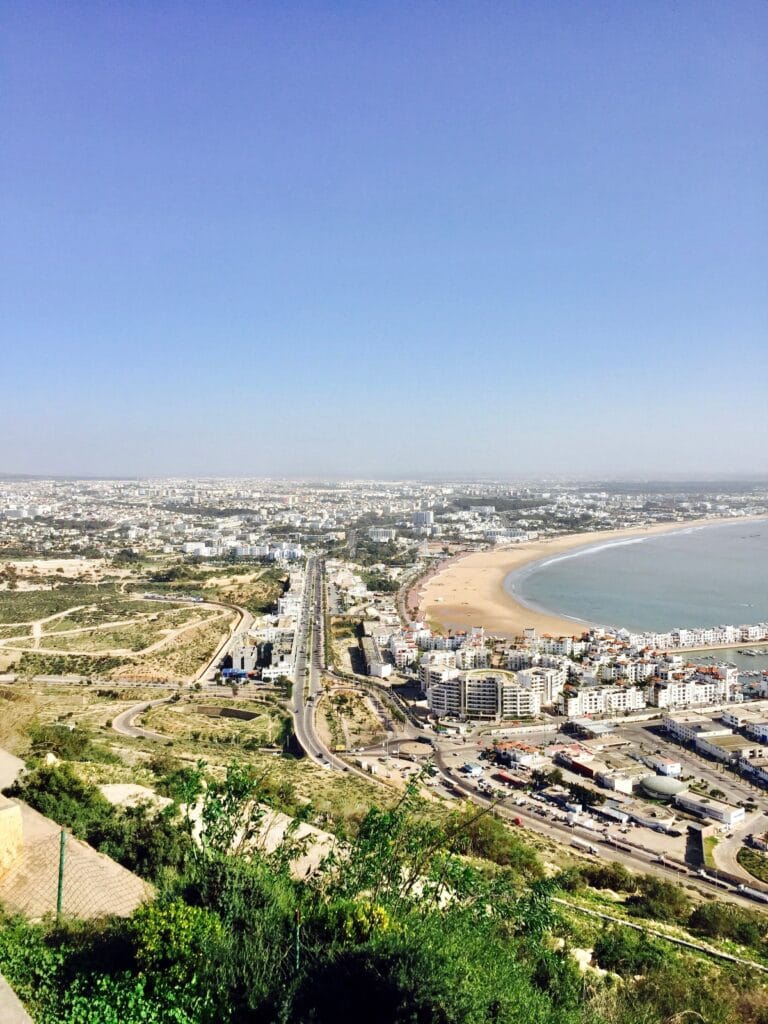
Agadir, Taghazout, Al Hoceima, Dakhla
13. Cultural Intelligence: How Amazigh People See Visitors
To Amazigh families, a guest is:
- A gift
- A responsibility
- A sign from God
They do not want to sell you things —
they want to honor you.
Accept bread, tea, and their rhythm —
you will feel Morocco opening in ways guidebooks never explain.
Responsible Tourism: Morocco Travel Tips
Travel respectfully and help preserve Morocco’s natural and cultural heritage.
Support local artisans by buying handmade products, choose locally owned accommodations whenever possible, avoid leaving litter in natural areas, and ask permission before photographing people. Respect local customs, especially in rural communities and religious sites.
Responsible travel not only protects Morocco’s heritage but also supports the communities that make every journey memorable.
14. Final Morocco Travel Tips: Come for Morocco — Stay for Its People
You will remember:
- markets
- mountains
- beaches
- food
But the thing that stays is people:
- the man who pours tea into your glass without asking
- the woman who offers bread baked at dawn
- the Amazigh shepherd who points you to the right path
- the child who smiles at your broken “Azul”
Morocco is human warmth shaped into land.
Essential Apps to Download For Morocco Visitors
These apps can make traveling around Morocco much easier:
- Google Maps (offline maps)
- Glovo ( To order Food online, delivered to your location)
- Google Translate
- Maps.me
- Careem (available in some cities)
- Booking.com
- Airbnb
- ONCF Voyages (train tickets)
- CTM Bus
- XE Currency Converter
Emergency Contacts and Useful Information
While Morocco is generally a safe destination, it’s always helpful to know who to contact in an emergency.
- Police: 19 (or 112 from mobile phones)
- Ambulance: 15
- Fire Brigade: 15
- Tourist Police: Available in major tourist cities.
- Official Currency: Moroccan Dirham (MAD)
- Country Code: +212
Save these numbers on your phone before your trip, and keep a copy of your passport and travel insurance details in both digital and printed formats.
Common Tourist Mistakes to Avoid
Many first-time visitors make small mistakes that are easy to avoid.
- Exchanging all your money at the airport.
- Wearing uncomfortable shoes for medinas.
- Drinking untreated water in remote areas.
- Forgetting to negotiate prices in traditional souks.
- Taking photos without asking permission.
- Underestimating travel times between cities.
- Packing only summer clothes—mountains can be cold even in warm seasons.
- Ignoring local customs during Ramadan.
- Booking desert tours without checking reviews.
- Rushing through Morocco instead of spending enough time in each destination.
These simple tips can help you enjoy a more authentic and stress-free experience.
Did You Know? Interesting Facts About Morocco Travel Tips
Did You Know?
Morocco is only about 14 kilometers (9 miles) from Europe. On a clear day, you can see Spain from the city of Tangier across the Strait of Gibraltar.
🏜️ You can experience deserts, mountains, beaches, and forests in a single trip. Few countries offer such diverse landscapes within relatively short travel distances.
🚆 Morocco has Africa’s first high-speed train. The Al Boraq train connects Tangier and Casablanca, making travel between major cities faster and more comfortable.
🕌 Many of Morocco’s medinas are UNESCO World Heritage Sites. Cities such as Fez, Marrakech, Meknes, Tetouan, and Essaouira preserve centuries of history and architecture.
🧭 Haggling is part of the shopping experience. In traditional souks, friendly negotiation is expected, especially when buying handicrafts, carpets, and souvenirs.
🥾 The Atlas Mountains are home to North Africa’s highest peak. Mount Toubkal rises to 4,167 meters (13,671 feet) and attracts hikers from around the world.
🍵 Mint tea is more than just a drink. Often called “Moroccan whisky,” it symbolizes hospitality and is traditionally offered to guests throughout the country.
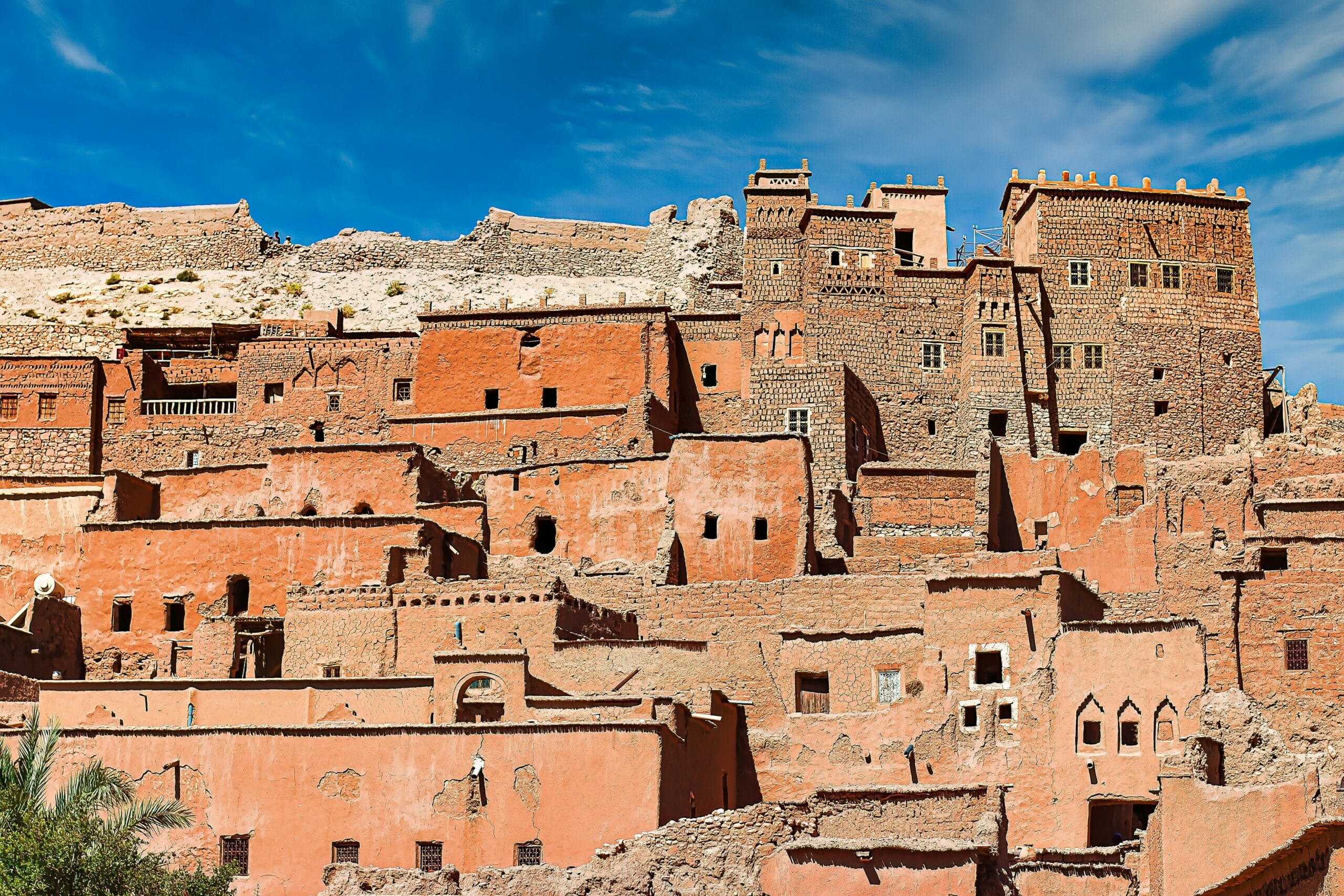
🌴 Morocco has thousands of historic kasbahs and ksour. These earthen fortresses and fortified villages reflect centuries of Amazigh architecture and desert adaptation.
🌍 Morocco is one of the world’s most culturally diverse countries. Amazigh, Arab, African, Andalusian, Jewish, and Mediterranean influences have all shaped its identity.
📸 Always ask before photographing people. While many Moroccans are welcoming, requesting permission is a respectful way to engage with local communities.
Frequently Asked Questions About Morocco Travel Tips
1. Is Morocco safe for tourists?
Yes. Morocco is generally considered a safe destination for travelers. Like any country, it’s wise to stay aware of your surroundings, protect your belongings, and follow local advice, especially in crowded tourist areas.
2. Do I need a visa to visit Morocco?
Visa requirements depend on your nationality. Citizens of many countries can enter Morocco visa-free for short tourist stays, while others may need to apply for a visa before traveling.
3. What is the best time to visit Morocco?
Spring (March to May) and autumn (September to November) are the most comfortable seasons for sightseeing, hiking, and exploring cities thanks to mild temperatures.
4. What currency is used in Morocco?
Morocco uses the Moroccan Dirham (MAD). Credit cards are widely accepted in cities, but it’s helpful to carry cash when visiting small towns, villages, and local markets.
5. Can I use credit cards in Morocco?
Yes, hotels, restaurants, and larger shops usually accept credit cards. However, many traditional souks and smaller businesses prefer cash.
6. What languages are spoken in Morocco?
Arabic and Amazigh (Tamazight) are the official languages. French is widely used in business and tourism, while English is becoming increasingly common in major tourist destinations.
7. Is Morocco expensive to visit?
Morocco is considered an affordable destination. Whether you’re a backpacker or looking for luxury experiences, there are accommodations, restaurants, and activities to suit most budgets.
8. What should I wear in Morocco?
Comfortable, modest clothing is recommended, especially when visiting religious sites or rural communities. Lightweight clothing works well in summer, while evenings in the mountains and desert can be surprisingly cool.
9. Can I drink tap water in Morocco?
In major cities, tap water is generally treated, but many travelers prefer bottled or filtered water, particularly in rural areas or if they have sensitive stomachs.
10. Is Morocco suitable for solo travelers?
Yes. Morocco welcomes many solo travelers each year. Planning ahead, respecting local customs, and staying in well-reviewed accommodations can help ensure a safe and enjoyable trip.
11. How can I travel between Moroccan cities?
Morocco has an excellent transportation network, including high-speed trains, regular rail services, long-distance buses, domestic flights, rental cars, and shared taxis.
12. Is it customary to tip in Morocco?
Yes. Tipping is appreciated in restaurants, cafés, hotels, and for guides or drivers. Small tips are a common way to thank people for good service.
13. Can I visit the Sahara Desert independently?
You can reach some desert towns independently, but most visitors join guided tours to experience camel trekking, desert camps, and local knowledge more comfortably and safely.
14. Is Morocco family-friendly?
Absolutely. Morocco offers family-friendly attractions ranging from beaches and gardens to camel rides, mountain villages, cultural sites, and interactive markets that appeal to all ages.
15. Are women safe traveling alone in Morocco?
Many women travel independently in Morocco without problems. Dressing modestly, avoiding isolated areas at night, and using licensed transportation can help create a more comfortable experience.
16. Can I use my mobile phone in Morocco?
Yes. Local SIM cards and eSIMs are widely available and provide affordable mobile data and calls. Wi-Fi is also common in hotels, cafés, and many restaurants.
17. How many days should I spend in Morocco?
A first visit usually benefits from 7–10 days, allowing enough time to explore imperial cities, the Atlas Mountains, the Sahara Desert, and the Atlantic coast without rushing.
18. What souvenirs should I buy in Morocco?
Popular souvenirs include Amazigh jewelry, handmade carpets, leather goods, ceramics, argan oil, spices, woven textiles, and traditional lanterns. Buying directly from local artisans helps support traditional craftsmanship.
19. Is bargaining acceptable in Moroccan markets?
Yes. Bargaining is a normal part of shopping in traditional souks. Negotiating politely and with a smile is often expected and can be an enjoyable cultural experience.
20. Why should Morocco be on my travel bucket list?
Morocco combines spectacular landscapes, vibrant cities, UNESCO World Heritage Sites, rich Amazigh culture, delicious cuisine, welcoming hospitality, and unforgettable adventures—all within one remarkably diverse destination. It’s a country where every region offers a different experience, making each journey unique.
Conclusion – Your Morocco Travel Tips for an Unforgettable Journey
Planning is the key to enjoying a smooth and memorable adventure. These Morocco travel tips will help you travel with confidence, respect local customs, and discover the country’s rich culture, diverse landscapes, and warm hospitality. Whether you’re exploring vibrant cities, hiking the Atlas Mountains, relaxing on the coast, or venturing into the Sahara Desert, Morocco offers unforgettable experiences for every traveler. Use this guide to prepare wisely, travel responsibly, and make the most of your journey through one of North Africa’s most fascinating destinations.
Safe travels, and welcome to Morocco—a land where every journey tells a story, and every traveler leaves with memories to cherish for a lifetime.
Morocco is not a checklist destination.
It is a school of culture, hospitality, and perspective.
Respect its values —
read its rhythms —
let people guide you —
And you will carry Morocco with you forever. We hope that you get all the Morocco travel tips you need.