Tamazight Language in Morocco: Voice of Land, Memory, and Identity
An Opening from the Heart
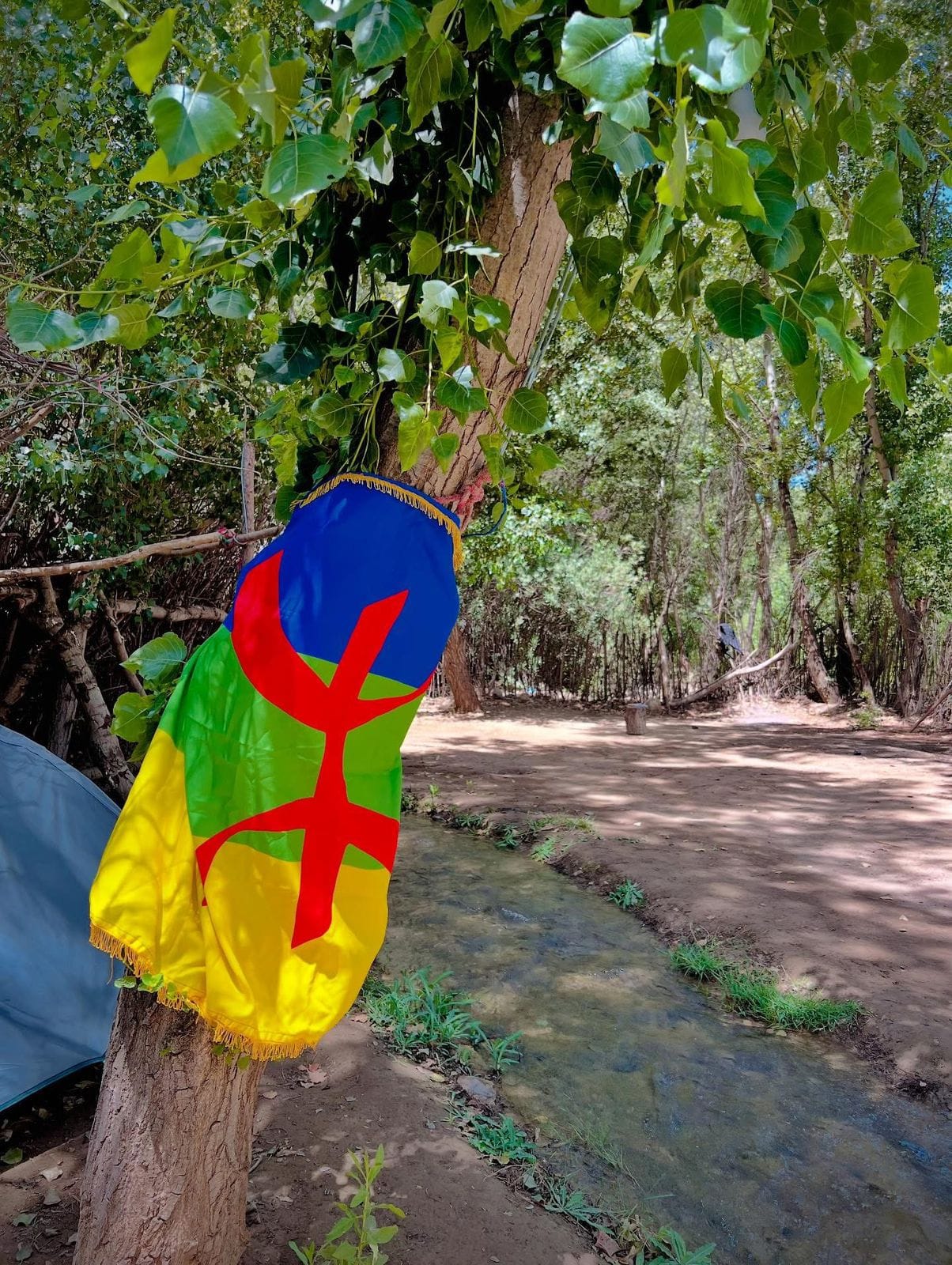
Tamazight language in Morocco refers collectively to the Amazigh linguistic varieties spoken across the country. Beyond grammar and vocabulary, Tamazight embodies collective memory, oral poetry, ancestral knowledge, and regional identity. It connects the Rif Mountains, the Atlas ranges, and the Souss Valley through shared indigenous roots.
When you hear Tamazight spoken softly in a mountain village or firmly in a bustling market, you are not just hearing a language—you are witnessing endurance. Every word carries the weight of ancestors who named the land before borders existed, who sang history when writing was absent, and who passed meaning through memory rather than paper. The Tamazight language in Morocco is not frozen in the past; it is alive in your present, shaping how people think, relate, and belong. To understand Tamazight is to understand Morocco beyond official narratives—through lived experience, oral wisdom, and cultural continuity.
This article invites you to explore Tamazight as a language of identity, resistance, creativity, and knowledge. You will discover its roots, its diversity, its challenges, and its future—step by step, word by word.
Table of Contents
What Is the Tamazight Language? Origins and Meaning
Defining the Tamazight Language
The Tamazight language is the indigenous language of the Amazigh people of North Africa. In Morocco, it represents a family of closely related linguistic varieties rather than a single uniform tongue. When you say “Tamazight,” you are referring to:
- A living language family spoken across generations
- A carrier of Amazigh identity, values, and worldview
- A system of communication shaped by geography, ecology, and oral tradition
Tamazight belongs to the Afro-Asiatic language family, placing it alongside Arabic, Hebrew, and ancient Egyptian, yet it developed its own grammatical structures, phonetic richness, and expressive depth.
Importantly, Tamazight is not merely a tool for communication. It is a way of organizing reality—how seasons are named, how relationships are defined, and how moral lessons are transmitted.
Ancient Roots of Tamazight in North Africa
Tamazight did not emerge recently, nor was it imported. It grew from the soil of North Africa itself. Archaeological and linguistic evidence points to Amazigh languages being spoken in the region for thousands of years, long before Roman, Arab, or European influence.
Key historical markers include:
- Libyco-Berber inscriptions, carved into stone and rock faces
- Place names that predate Arabic and Latin settlement
- Oral genealogies preserved across centuries
Unlike imperial languages, Tamazight survived without centralized political power. Its strength came from community transmission, not state enforcement. You can still hear echoes of ancient expressions in everyday speech—proof of remarkable continuity.
Tamazight Language in Morocco – Geographic and Social Landscape
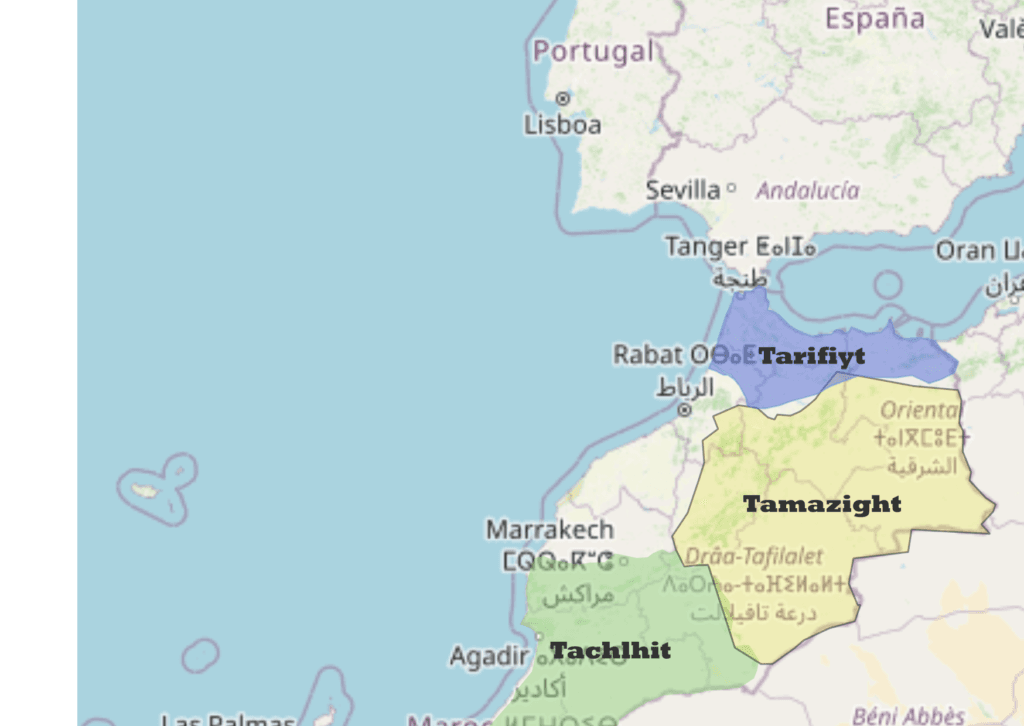
Where Tamazight Is Spoken in Morocco
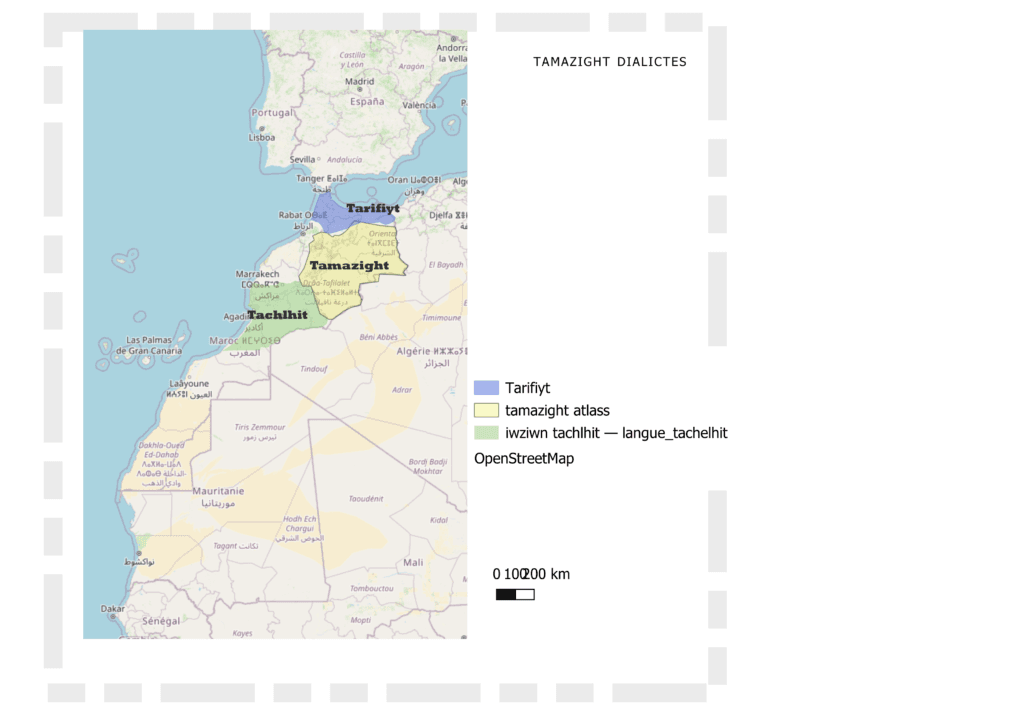
Tamazight Language in Morocco is woven into Morocco’s geography. You encounter it most clearly in regions where landscape and language evolved together:
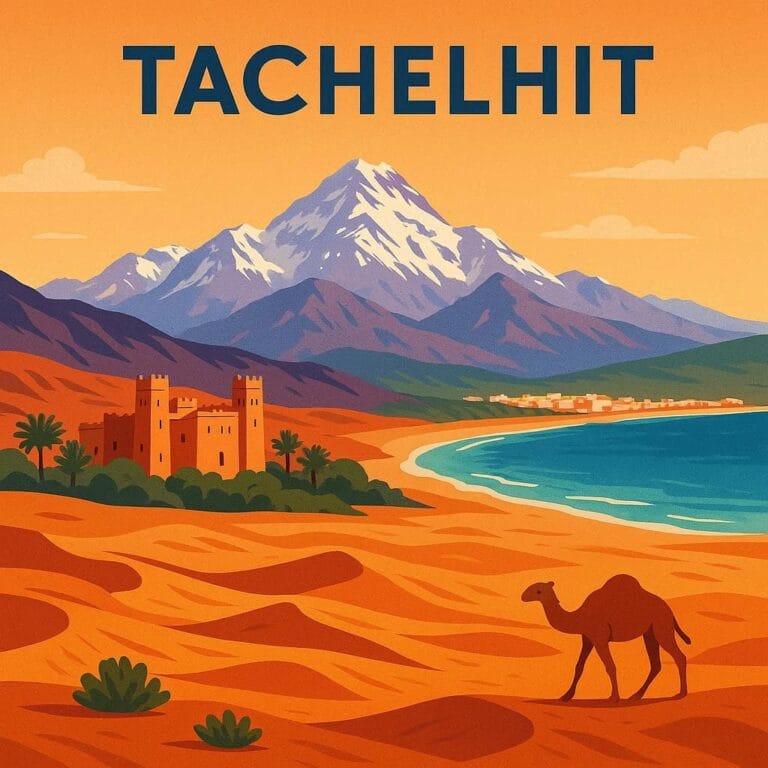
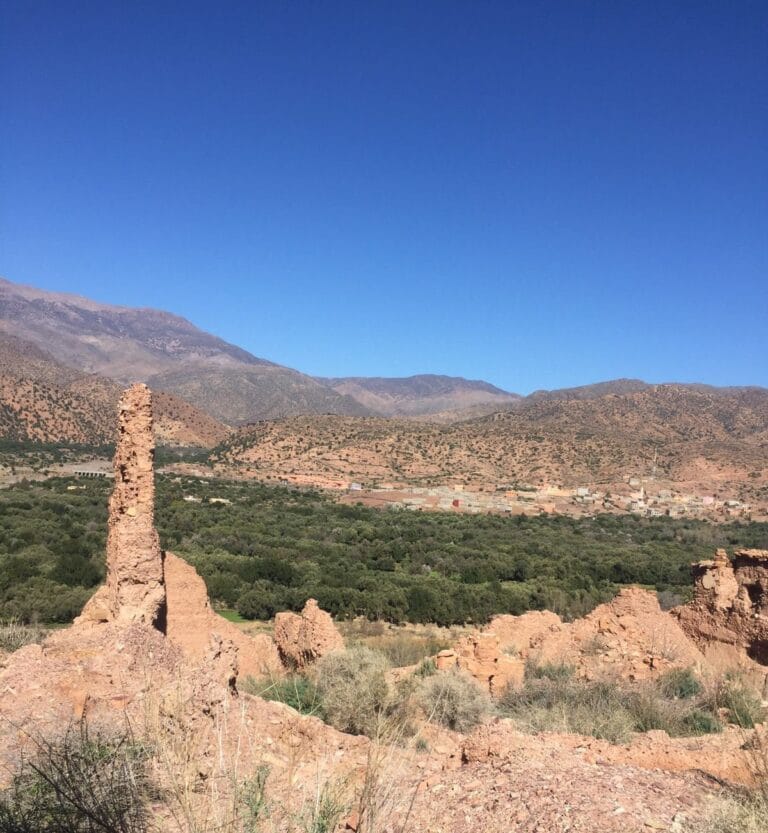
- The High Atlas – Mountain communities with strong oral traditions, (Tachelhit language)
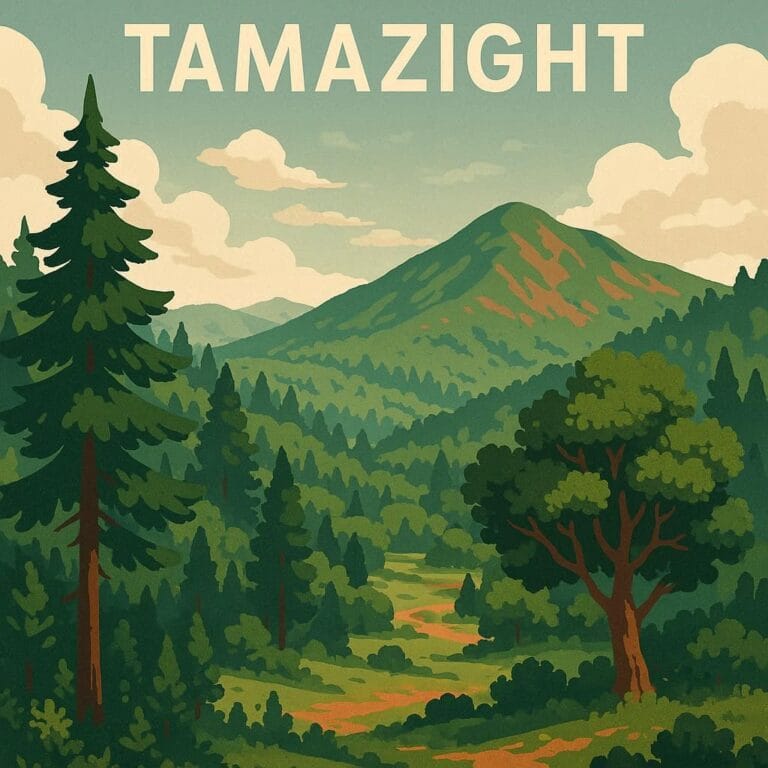
- The Middle Atlas – Pastoral societies with rich seasonal vocabulary, (Central Atlas Tamazight)
- The Anti-Atlas – Ancient settlements tied to trade routes, (Tachelhit language)
- The Sous Valley – A cultural heartland of Amazigh poetry and music
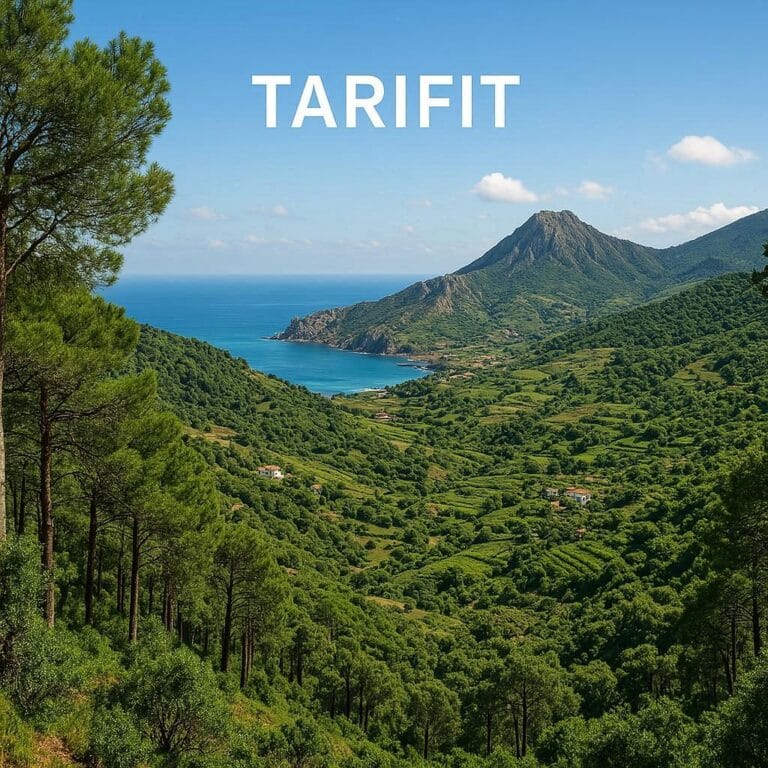
- The Rif region – Northern areas shaped by Mediterranean exchange, (Tarifit language)
While rural zones remain linguistic strongholds, urban centers increasingly reflect Tamazight through migration, music, and social media. Even when not spoken daily, it continues to shape identity.
Tamazight as a Language of Daily Life
Tamazight Language in Morocco lives where people live. You find it in:
- Family conversations
- Agricultural knowledge
- Wedding rituals and mourning practices
- Proverbs used to guide behavior
In many households, Tamazight functions alongside Moroccan Arabic and French. This multilingual reality does not weaken Tamazight; instead, it demonstrates adaptability. You often see code-switching, where speakers move naturally between languages depending on context, emotion, or topic.
Major Varieties of Tamazight in Morocco
Tachelhit (Tashelhit)
Tachelhit is one of the most widely spoken Tamazight varieties in Morocco. You encounter it primarily in:
- The Sous region
- The Anti-Atlas
- Parts of the High Atlas
What distinguishes Tachelhit is its:
- Strong poetic tradition
- Complex verb morphology
- Rich vocabulary linked to agriculture and ecology
It plays a central role in Ahwach performances, oral poetry, and Amazigh music. If you listen carefully, you will hear how rhythm and meaning merge.
Central Atlas Tamazight
Spoken Tamazight in the Middle Atlas, this variety reflects mountain life shaped by seasons, migration, and pastoralism. Its features include:
- Clear vowel systems
- Lexicon tied to animal husbandry
- Oral storytelling traditions centered on moral instruction
For many speakers, language is inseparable from landscape. Words for snow, pasture, and movement reveal intimate environmental knowledge.
Tarifit (Riffian Tamazight)
In northern Morocco, Tarifit carries traces of historical contact with the Mediterranean world. You find it spoken in:
- The Rif Mountains
- Coastal and inland communities
Tarifit has gained visibility through diaspora communities, particularly in Europe, where it continues to evolve. Music and online content have helped maintain linguistic continuity across borders.
Tamazight Writing Systems – From Rock to Classroom
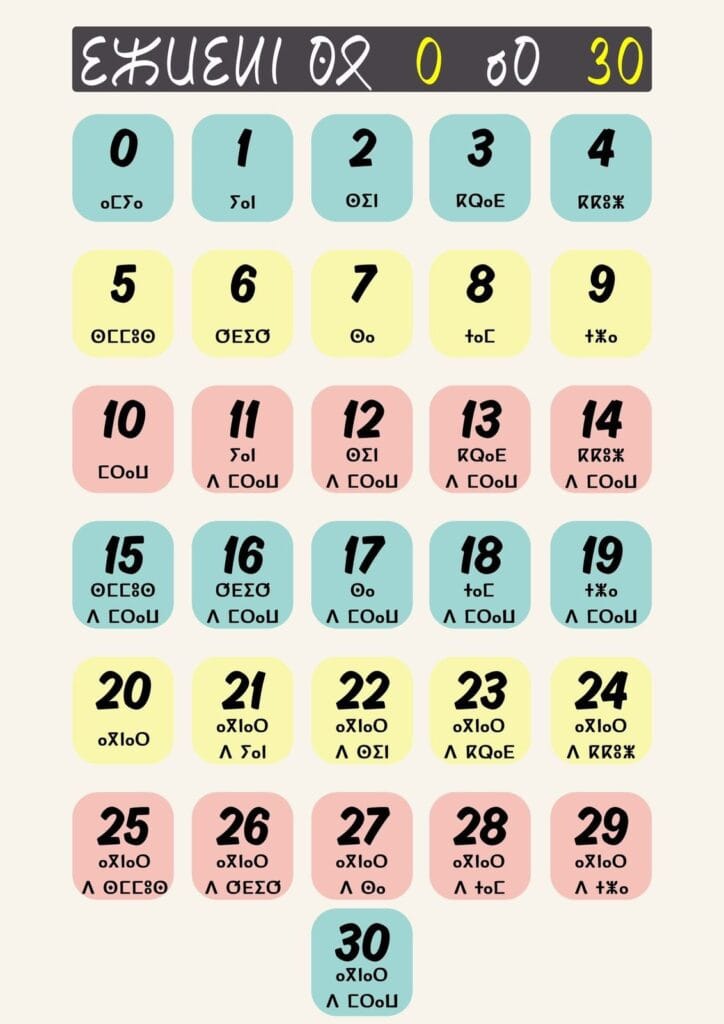
Tifinagh Script: History and Revival
Tifinagh is the ancestral script of the Amazigh people. Historically, it appeared in:
- Rock engravings
- Memorial stones
- Symbolic markings
In modern Morocco, Neo-Tifinagh has been standardized and adopted for educational and institutional use. Beyond functionality, it holds symbolic power—it visually asserts Amazigh presence.
Tamazight in Arabic and Latin Scripts
Before standardization, Tamazight was often written using:
- Arabic script for religious or poetic texts
- Latin script for academic documentation
Each system reflects a historical moment. While debates continue about practicality, all scripts testify to the language’s flexibility.
Tamazight and Oral Heritage
Oral Poetry, Proverbs, and Storytelling
Tamazight is an oral archive. Knowledge passed through:
- Isefra (poetic verses)
- Songs sung during labor or celebration
- Proverbs offering ethical guidance
When you listen to these forms, you are not consuming entertainment—you are absorbing philosophy, history, and social norms.
Language as Moral and Social Education
Elders traditionally served as linguistic authorities. Through storytelling, they taught:
- Respect for land
- Social responsibility
- Collective memory
Women, in particular, played a vital role in transmitting language within families, ensuring continuity across generations.
Tamazight and Identity in Moroccan Society
Language and Amazigh Self-Identification
For many Moroccans, Tamazight is not a political statement—it is a personal truth. Speaking it affirms:
- Ancestral belonging
- Cultural continuity
- Local knowledge
Even among urban youth, language remains a marker of roots, often reclaimed after periods of distance.
Tamazight in Art, Music, and Media
Today, Tamazight thrives in:
- Contemporary music
- Film and documentaries
- Radio and television programming
Digital platforms have opened new spaces where language evolves without losing authenticity.
Official Recognition and Institutionalization of Tamazight
Tamazight as an Official Language of Morocco
In 2011, Tamazight gained constitutional recognition as an official language. This marked a historical shift, acknowledging what communities had long known.
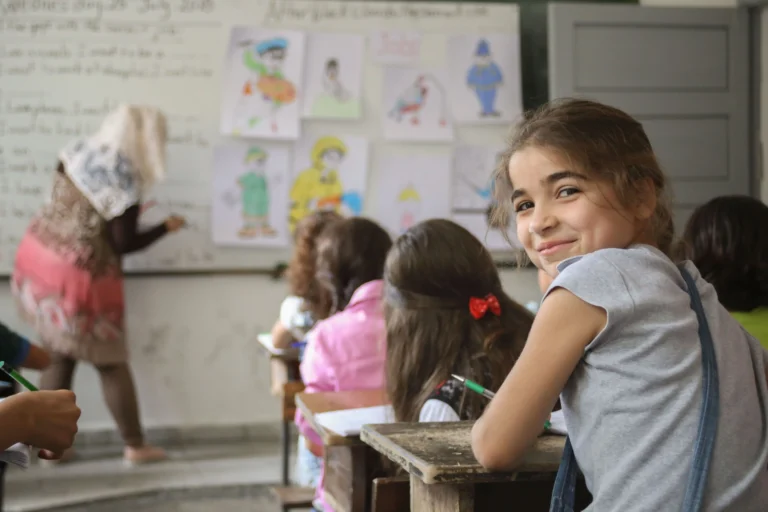
Tamazight in Education
Teaching Tamazight Language in Morocco schools aims to:
- Preserve linguistic heritage
- Promote inclusivity
- Normalize indigenous knowledge
Challenges remain, including teacher training and material development, but progress continues.
Challenges Facing the Tamazight Language Today
Urbanization and Language Shift
Urban migration often disrupts transmission. Children raised in cities may understand Tamazight without speaking it fluently. This creates a gap that requires conscious effort to bridge.
Standardization vs Local Diversity
While standardization aids education, it can risk oversimplification. Preserving local variation ensures richness rather than uniformity.
The Future of the Tamazight Language in Morocco
Digital Revival and Youth Engagement
Social media, podcasts, and online courses are reshaping how you encounter Tamazight. Youth are not just inheriting the language—they are reshaping it.
Community-Based Language Preservation
True preservation happens at home, in conversation, in storytelling. Institutions support, but families sustain.
What is the Tamazight language?
The Tamazight language is the indigenous language of the Amazigh people, spoken across Morocco in several regional varieties.
Is Tamazight language the same everywhere in Morocco?
No. Tamazight includes multiple varieties such as Tachelhit, Central Atlas Tamazight, and Tarifit.
Is Tamazight language taught in Moroccan schools?
Yes, Tamazight is officially taught, though implementation varies by region.
Why is the Tamazight language important?
It preserves indigenous knowledge, cultural memory, and a unique worldview rooted in North Africa.
Conclusion: Tamazight Language as Living Heritage
The Tamazight language in Morocco is not waiting to be saved—it is waiting to be heard, respected, and used. When you speak it, learn it, or support its presence, you participate in a lineage older than borders. Tamazight teaches you that language is not owned by institutions; it lives in people.
Call to Action
If this article deepened your understanding of the Tamazight language, take the next step.
Share it, discuss it, teach it, or speak it. Explore more in-depth Amazigh cultural articles on iwziwn.com, and become part of a living heritage that refuses to fade.