Moroccan Amazigh Jewelry – A Living Craft of Silver and Symbolism
Introduction: The Soul of Moroccan Jewelry
Imagine holding a piece of jewelry so old that it carries the warmth of countless hands before yours. Its weight is more than just silver — it’s the echo of ancient prayers, the whisper of forgotten love songs, and the reflection of sunlight over the Atlas Mountains. In Morocco, jewelry is never just decoration; it’s a living chronicle of faith, resilience, and identity.
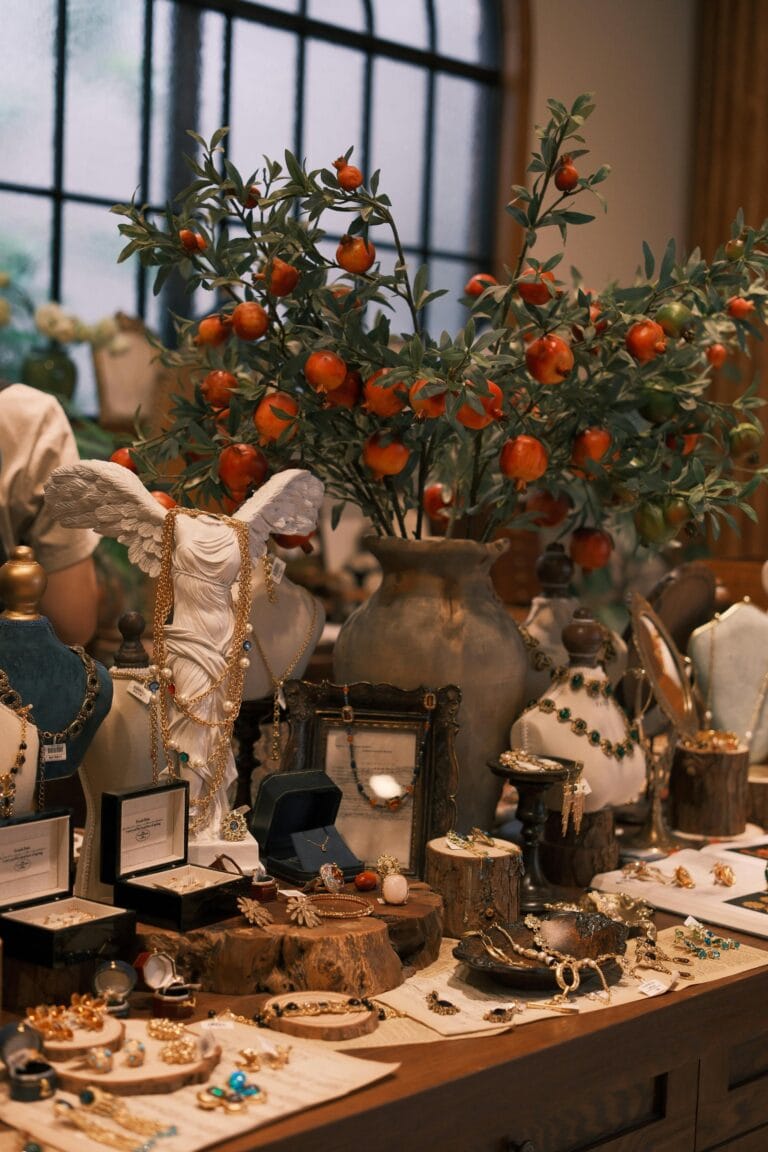
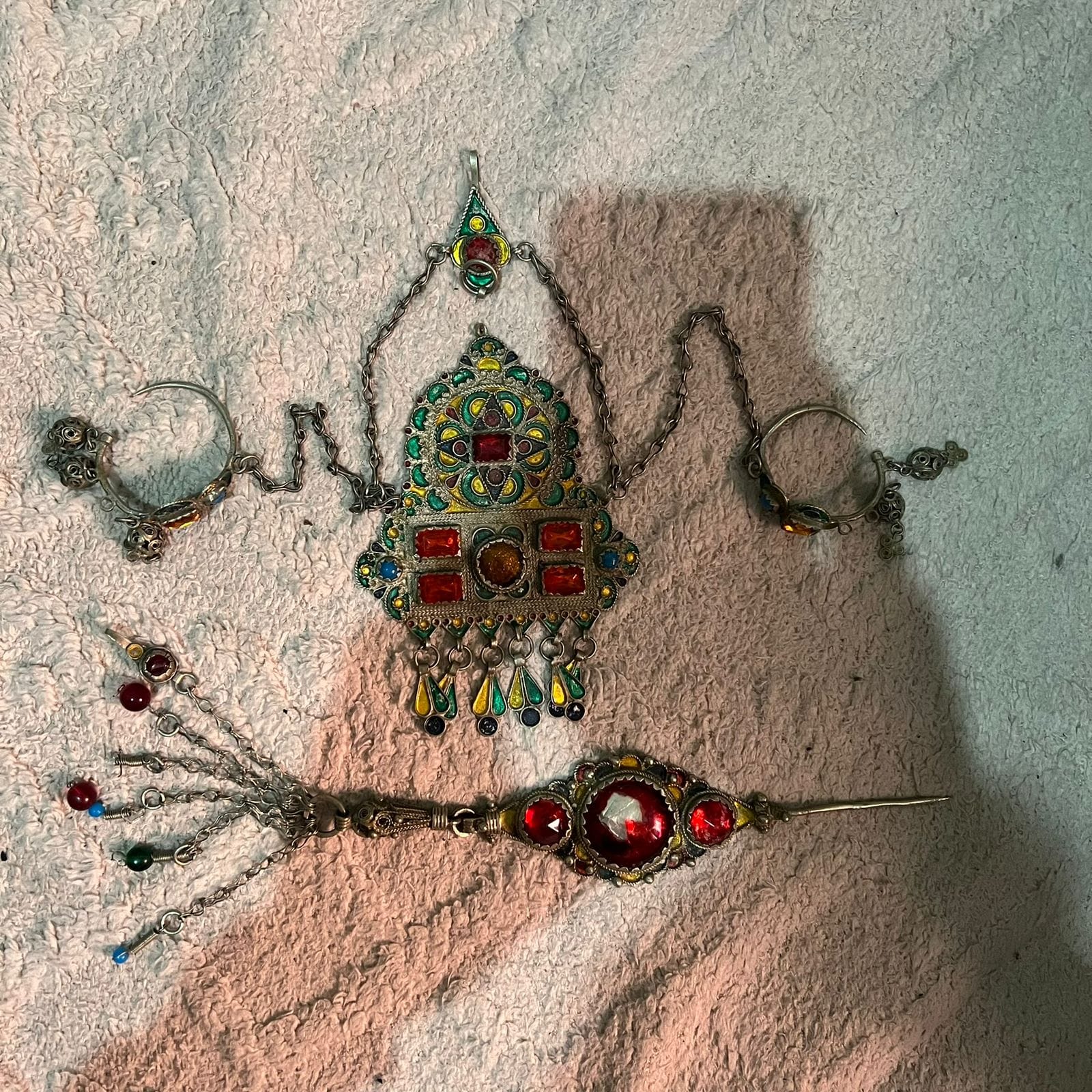
When you trace your fingers over the filigree of a Moroccan fibula or the etched triangle of an Amazigh pendant, you are not merely admiring art — you are touching history. Each line, curve, and stone carries symbolic meaning tied to birth, fertility, protection, and belonging. Jewelry in Morocco, particularly among the Amazigh (Berber) people, is a visual language — a form of self-expression that has spoken for centuries when words were not enough.
This article explores the intricate world of Moroccan Amazigh jewelry, its history, symbolism, craftsmanship, and its transformation from ancestral heritage to contemporary art. You will discover how silver became sacred, how motifs carry deep meaning, and how women have preserved this living craft as a part of Morocco’s soul.
Table of Contents
Historical Origins of Moroccan Amazigh Jewelry
From Ancient Civilizations to Tribal Identity
Moroccan jewelry has ancient roots, reaching back to the earliest civilizations of North Africa. Long before the arrival of Islam or the spread of Arabic culture, the Amazigh tribes developed distinctive forms of adornment. Archaeological discoveries in North Africa, from Tunisia to the Moroccan Atlas, show traces of early metalworking traditions that date as far back as the Phoenician and Carthaginian periods.
Trade routes across the Sahara and the Mediterranean brought new metals, stones, and techniques. Gold and silver came through exchanges with sub-Saharan Africa and the Mediterranean world, while amber, coral, and glass beads arrived from distant lands. The Amazigh tribes adopted these materials and transformed them into their own language of design.
Over time, jewelry became a key marker of tribal identity. Each region, from the Rif to the Anti-Atlas, developed its own distinctive style. A woman’s necklace, bracelet, or fibula could immediately reveal her origin and tribe. These adornments were not only beautiful; they served as social and spiritual indicators, marking status, fertility, and protection.
Trade and the Role of Jewish Artisans
Jewish silversmiths, who lived across Moroccan cities such as Fes, Tiznit, and Essaouira, played a vital role in shaping Moroccan jewelry. For centuries, they worked alongside Amazigh artisans, blending spiritual motifs and technical knowledge. Their expertise in silver engraving, enameling, and filigree helped preserve the ancient craft even through political and cultural shifts.
This cross-cultural collaboration enriched Moroccan silverwork, creating a legacy of spiritual unity through art — a reminder that Morocco’s cultural treasures often emerged from cooperation, not separation.
The Symbolic Language of Amazigh Jewelry
Symbols That Speak Without Words
Every Amazigh ornament is a coded message — a talisman that carries the invisible power of prayer and identity. The symbols etched into pendants, rings, and fibulas are not random decorations; they are sacred geometries of meaning.
- Triangle: Represents femininity, fertility, and divine protection. It symbolizes the maternal power of life, linked to the womb and the earth.
- Circle: Symbol of eternity and the sun’s cyclical nature — a sign of the soul’s continuity.
- Square: Represents stability, grounding, and the physical world.
- Khamsa (Hand of Fatima): An open hand to ward off evil spirits and envy.
- Cross or intersecting lines: Protective designs often mistaken for Christian symbols but rooted in ancient Amazigh spirituality.
Each mark and shape has purpose. The repetition of geometry — often mirrored in weaving and tattoos — shows that Amazigh art follows a holistic philosophy: everything is connected. Jewelry was not separate from architecture, pottery, or textiles; it was part of the same cosmic design.
Spiritual Symbolism and Social Meaning
For Amazigh women, jewelry is both a shield and a statement. It protects the wearer from misfortune while expressing her role in society. A bride’s jewelry, often passed from mother to daughter, signifies fertility and continuity. Silver is believed to reflect light — symbolically repelling darkness and evil — and to connect the wearer to divine purity.
Each tribe’s motifs differ subtly but share the same universal goal: to celebrate life, protect the spirit, and honor ancestors. A silver fibula pinned across the chest doesn’t only fasten clothing — it closes the circle between beauty, belief, and belonging.
Regional Diversity of Moroccan Jewelry Styles
Morocco’s landscape — from the Rif Mountains to the Sahara — is mirrored in its jewelry. Each region developed its unique language of form and symbol.
Southern Morocco – The Silver Heart of Tiznit
Tiznit, known as the “Silver Capital of Morocco,” is the beating heart of Amazigh jewelry-making. Silversmiths here have mastered the art of creating intricate fibulas, necklaces, and bracelets using age-old techniques.
- Characteristics: Massive fibulas (tizerzaï), colorful enamels (blue, green, red), and coral inlays.
- Symbolism: Bright enamel colors evoke fertility, vitality, and protection.
- Materials: Silver, coral, amber, and enamel glass.
The women of the Souss Valley often wear large fibulas connected by silver chains, symbolizing unity and strength. Each piece acts as a visible bond between the body and the spirit, between individual and tribe.
High Atlas and Anti-Atlas – Rural Purity
In the mountain regions, jewelry tends to be heavier and more rustic. It reflects an older aesthetic, less influenced by trade and more rooted in rural ritual.
Pieces are often large, engraved with geometric patterns, and carry a sense of ancestral authority. They are worn during harvest celebrations, weddings, and rites of passage.
These designs remain some of the purest forms of prehistoric Amazigh art still alive today.
Northern and Coastal Regions – Andalusian Influence
In the north, the influence of Andalusian refugees and Mediterranean trade shaped Moroccan gold and silver jewelry. The cities of Fes and Chefchaouen became centers of fine gold filigree and intricate engraving.
Jewish and Muslim artisans worked side by side in workshops, sharing techniques passed down through generations. The northern jewelry style, lighter and more refined, reflects urban sophistication but retains Amazigh roots through symbolic motifs.
Women and the Living Memory of Jewelry
Jewelry as Language and Identity
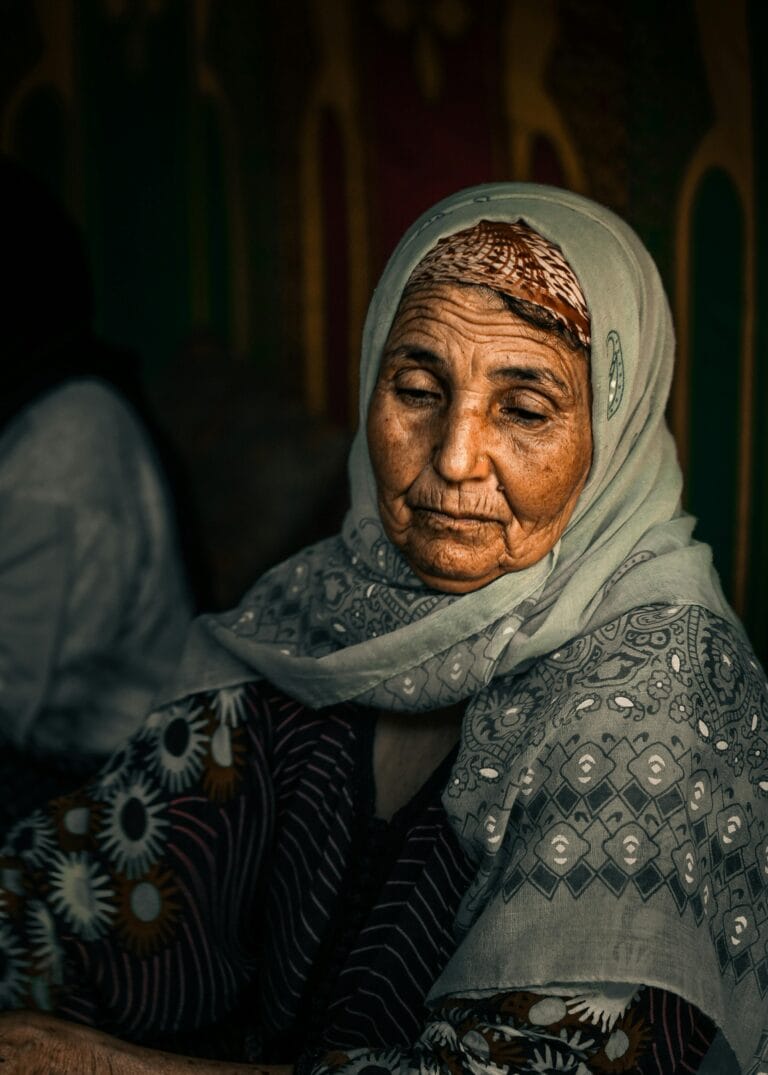
Among Amazigh women, jewelry is a form of silent storytelling. Each piece expresses a woman’s role, age, marital status, and region. It is not merely worn — it is lived with. Jewelry accompanies a woman in daily life and in death; many pieces were buried with their owners as offerings for the afterlife.
To wear jewelry is to declare strength, independence, and faith. In a society where oral traditions dominate, jewelry becomes a form of speech — visible and enduring.
Weddings and Ritual Symbolism
In traditional Amazigh weddings, the bride’s jewelry is central to the ceremony. She wears silver ornaments imbued with protective power. The tizerzaït (fibula) secures her garments, while her necklaces of coral and amber guard her fertility. Her bracelets and anklets ring with sound, invoking blessings and joy.
The act of wearing jewelry transforms the bride into a living symbol of continuity, linking her to all women who came before her.
The Craftsmanship Behind Moroccan Jewelry
Techniques and Materials
Moroccan jewelry is defined by meticulous craftsmanship. The making of a single fibula can take weeks. Traditional tools — bellows, anvils, hand hammers — are still used by artisans in the medinas of Tiznit, Taroudant, and Marrakech.
Techniques include:
- Filigree: Fine silver wires twisted into delicate patterns.
- Repoussé: Metal hammered into relief from the back.
- Chasing: Engraving designs on the surface.
- Granulation: Tiny silver beads fused onto surfaces.
- Enameling: Adding color through powdered glass.
Artisans begin by melting pure silver and forming it into plates or wires. Every detail is shaped by hand, guided by years of intuition and inherited skill. The process itself is spiritual; many silversmiths recite blessings or verses while working, treating metal as a sacred material.
Silver as Sacred Metal
Silver has long been considered a symbol of purity and divine light in Moroccan culture. Unlike gold, which is linked to vanity and excess, silver reflects modesty and truth. It is associated with lunar energy — feminine, protective, and wise.
Modern Transformations and Revival Movements
Challenges of Modernization
In the 20th century, Moroccan jewelry faced decline. Industrial production, tourism, and cheap imports threatened the traditional silversmith’s livelihood. The sacred artistry risked being replaced by commercial replicas lacking authenticity or symbolic meaning.
However, the late 20th and early 21st centuries witnessed a revival of traditional crafts. Government programs and NGOs began supporting women’s cooperatives, particularly in Tiznit and the Souss-Massa region.
Empowering Women Artisans
Today, many Amazigh women work collectively in cooperatives that sustain the craft while offering economic independence. By selling authentic jewelry directly to markets and tourists, these artisans preserve their traditions and share their heritage globally.
These initiatives have turned traditional jewelry-making into a modern economic force — one that empowers women while protecting Morocco’s intangible heritage.
Moroccan Jewelry and Global Identity
From Local Craft to Global Fashion
Moroccan jewelry has transcended borders. Its powerful symbols and handcrafted designs inspire contemporary fashion designers worldwide. From Paris to New York, motifs from Amazigh Berber silverwork appear in haute couture collections, reinterpreted with gold, gemstones, and modern forms.
Museums like the Musée Berbère in Marrakech and the British Museum have exhibited Moroccan jewelry, recognizing its aesthetic and anthropological significance.
Cultural Appreciation and Ethical Preservation
As Moroccan jewelry gains global visibility, ethical concerns arise. Designers and collectors must distinguish cultural appreciation from appropriation — ensuring that artisans receive credit, fair pay, and cultural recognition.
The true beauty of Moroccan jewelry lies not in replication but in understanding — appreciating the sacred balance between art, identity, and spirit.
Symbolism, Spirit, and the Eternal Shine of Silver
Silver in Amazigh tradition is not static; it lives and breathes through the people who wear it. It is the mirror of Morocco’s soul — reflecting purity, resilience, and continuity. Through each crafted piece, the Amazigh people keep their ancestors close, their faith strong, and their identity unbroken.
The art of jewelry is thus a form of resistance — against oblivion, against modernization that erases heritage, and against the silence of time. To wear Moroccan jewelry is to participate in an ongoing conversation between past and present, human and divine.
What makes Moroccan jewelry unique?
Moroccan jewelry stands out for its spiritual symbolism, intricate craftsmanship, and regional diversity. Every piece is handcrafted, representing both artistic skill and sacred meaning.
Why do Amazigh people prefer silver to gold?
Silver embodies purity, humility, and divine protection. It reflects light and truth, while gold is often viewed as worldly and excessive.
Where can you buy authentic Moroccan Amazigh jewelry?
Authentic jewelry can be found in local markets such as Tiznit, Taroudant, and Marrakech, or through artisan cooperatives dedicated to preserving traditional craftsmanship.
How can I tell if Moroccan jewelry is handmade?
Look for irregularities — slight asymmetries, unique engravings, and tool marks. These imperfections signify human touch and authenticity.
Is Amazigh jewelry still handmade?
Traditional jewelers still create pieces using ancestral techniques.
Conclusion: A Legacy That Shines Beyond Time
Moroccan Amazigh jewelry is more than an art form; it is a living archive of Morocco’s cultural memory. Each fibula, pendant, and bracelet holds within it a silent story — of faith, love, motherhood, and resistance.
As you explore the patterns and symbols etched in silver, you step into a world where beauty and meaning intertwine. The silver gleam you see is not just metal — it’s light reflected from centuries of endurance.
To cherish Moroccan jewelry is to cherish the heartbeat of a culture that refuses to fade. Every ornament tells you: we are still here; we still shine.
References (For Academic Depth)
- Evers Rosander, E. (1991). Women in African Societies: Amazigh Traditions and Transformations. Nordic Africa Institute.
- Stillman, Y. K. (2003). Jewish and Berber Silversmiths of Morocco: Shared Craftsmanship and Cultural Identity. Middle Eastern Studies.
- Jereb, J. (1992). Arts and Crafts of Morocco. Chronicle Books.
- Meyer, L. (2014). Berber Jewelry: Tradition and Innovation in Morocco. Musée Berbère, Marrakech.
- Pâques, V. (1989). Berber Symbols of the Atlas: A Language of Ornament. Paris: CNRS Éditions.
- World Crafts Council. (2021). Moroccan Silver Jewelry and Intangible Cultural Heritage.
- UNESCO (2019). Intangible Cultural Heritage Lists: Traditional Amazigh Crafts of Morocco.
Call to Action:
Support Moroccan artisans. When you buy or wear a piece of authentic Amazigh jewelry, you don’t just adorn yourself — you help keep alive a craft that carries the stories of a thousand years.