Art and Culture of Morocco: A Living Tapestry of Tradition and Creativity
Where Every Color Tells a Story
When you step into a Moroccan medina, you are immediately embraced by a world of color, sound, and texture — a living museum where the past and the present coexist in harmony. The rhythmic hammering of metalworkers, the scent of saffron and argan oil, the intricate zellij tiles glowing under the sun — all whisper the same message: creativity here is a way of life.
The art and culture of Morocco are not confined to galleries or museums; they live in every street corner, every woven rug, every melody played on a rebab. This country’s cultural identity is a woven tapestry — threads of Amazigh, Arab, Andalusian, African, and Mediterranean influences, intertwined through centuries of exchange, migration, and adaptation.
Here, art is not separate from life. It’s the rhythm of existence — a reflection of resilience, beauty, and belonging.
Table of Contents
The Soul of Moroccan Creativity – An Overview of Artistic Heritage
The Fusion of Civilizations
To understand Morocco’s artistic essence, you must first grasp its geography and history — crossroads of continents, empires, and faiths. For centuries, this land bridged Africa, Europe, and the Middle East, absorbing and reinterpreting influences while fiercely maintaining its own spirit.
From the Amazigh tribes of the Atlas Mountains, whose geometric symbols date back to prehistoric carvings, to the Andalusian refugees who brought refined aesthetics from Al-Andalus after the Reconquista, Morocco became a canvas of civilizations.
Islamic influence introduced geometry, symmetry, and abstraction, celebrating divine unity through artistic repetition. Unlike Western figurative traditions, Moroccan art expressed beauty through patterns, calligraphy, and rhythm — visual prayers that transcend time and language (Burckhardt, 1976).
This fusion of faith, geography, and craftsmanship created a distinct Moroccan style — one that values harmony, balance, and meaning over mere ornamentation.
Architecture – The Poetry of Stone and Light
The Signature of Moroccan Identity
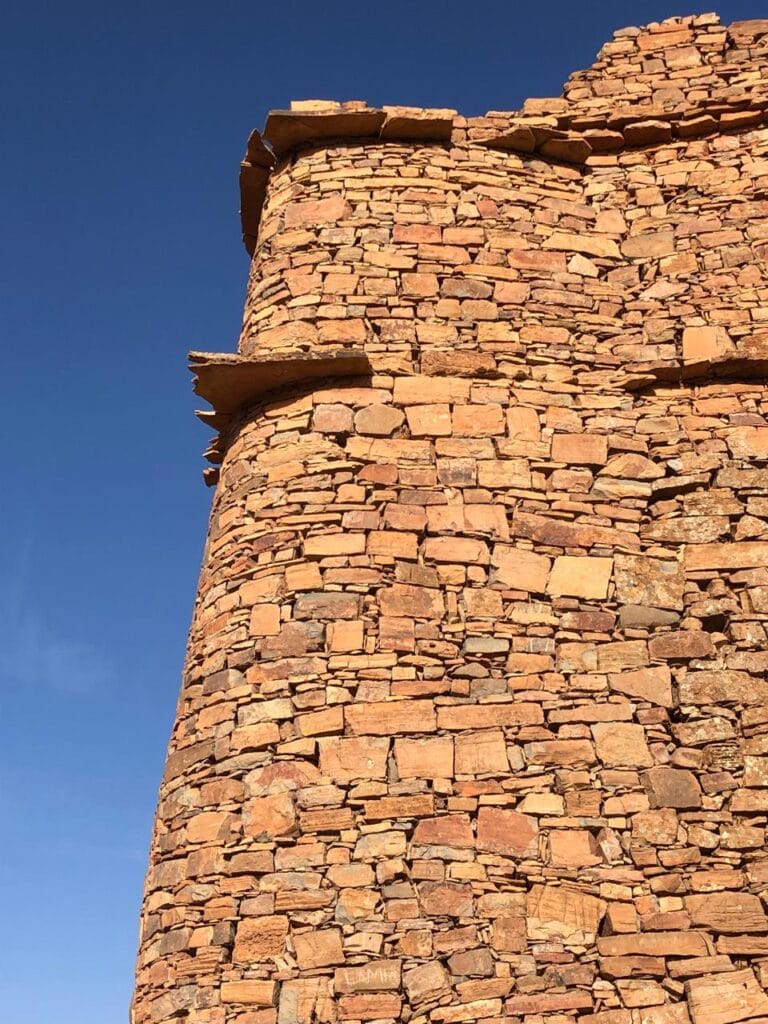
In Morocco, architecture is storytelling carved in clay and stone. You can feel it when sunlight filters through a lattice screen in a riad or when wind caresses the adobe walls of a ksar. Each design speaks of adaptation — to climate, faith, and community.
Traditional Moroccan architecture marries functionality and spirituality. The central courtyard of a riad, often adorned with a fountain, symbolizes paradise — a refuge from worldly noise. The geometric zellij tiles represent infinity and divine perfection. Stucco carvings and cedar wood ceilings evoke reverence and mastery of handcrafts.
Cities such as Fez, Marrakech, and Meknes are architectural poems — each verse written by dynasties who left their mark. The Almoravids and Almohads introduced grand mosques with soaring minarets. The Marinids refined madrassas with mesmerizing mosaics. The Saadians built tombs whose intricate ceilings rival the stars.
Icons of Moroccan Architecture
- Al-Qarawiyyin Mosque (Fez) – Founded in 859 CE, this institution is recognized by UNESCO as the world’s oldest university. Its balanced courtyards and calligraphic panels embody Morocco’s intellectual and spiritual legacy (UNESCO, 2023).
- Koutoubia Mosque (Marrakech) – With its perfect symmetry and golden sandstone glow, it remains the blueprint for minaret design across North Africa.
- Aït Ben Haddou (Ouarzazate) – A UNESCO World Heritage ksar built of earth, straw, and clay, it stands as a symbol of community cooperation and desert resilience.
Each of these architectural structures isn’t just a monument — it’s a living expression of Moroccan identity, rooted in earth yet aspiring toward the divine.
Moroccan Crafts – Hands that Preserve History
The Living Craft Traditions
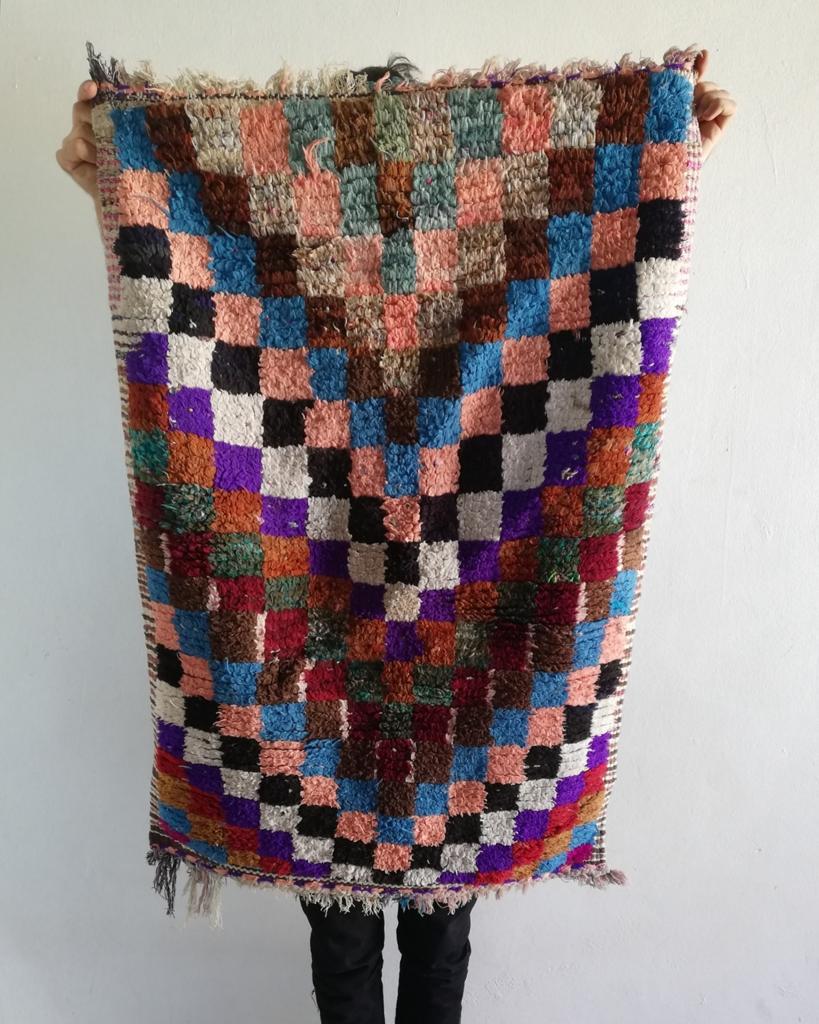
If architecture is Morocco’s grand narrative, then crafts are its intimate whispers — the stories told by hands across generations. Every rug, pot, or piece of jewelry you encounter carries centuries of tradition.
Morocco’s artisanal heritage is recognized by UNESCO’s Intangible Cultural Heritage list, highlighting crafts such as Amazigh weaving, Fez pottery, metal engraving, and Essaouira marquetry.
- Weaving: Amazigh women in the Atlas Mountains transform wool into poetry. Their carpets — adorned with geometric motifs — are not just decorations; they are records of identity, fertility, and protection.
- Pottery: In Safi, potters spin clay into forms that unite earth and water. Patterns etched by hand reflect ancient Amazigh and Islamic cosmologies.
- Leatherwork: Fez’s Chouara Tannery, operating since the 11th century, still dyes leather using natural pigments like henna and poppy — a sensory feast for sight and smell.
- Metalwork and Jewelry: Silver, more than gold, holds symbolic power in Amazigh culture. Artisans craft talismans and fibulas that signify protection and status.
Crafting the Future
In recent decades, Morocco has experienced a renaissance in craft preservation. Government initiatives, NGOs, and cooperatives empower women artisans, blending tradition with sustainability.
Modern designers now collaborate with rural cooperatives to create eco-conscious products that resonate globally — rugs, ceramics, and textiles that tell authentic Moroccan stories.
According to the Moroccan Ministry of Handicrafts (2022), traditional crafts contribute over 8% to the national GDP, proving that heritage is not only cultural but also economic capital.
Music and Dance – The Rhythm of Identity
Sounds of the Desert and the City
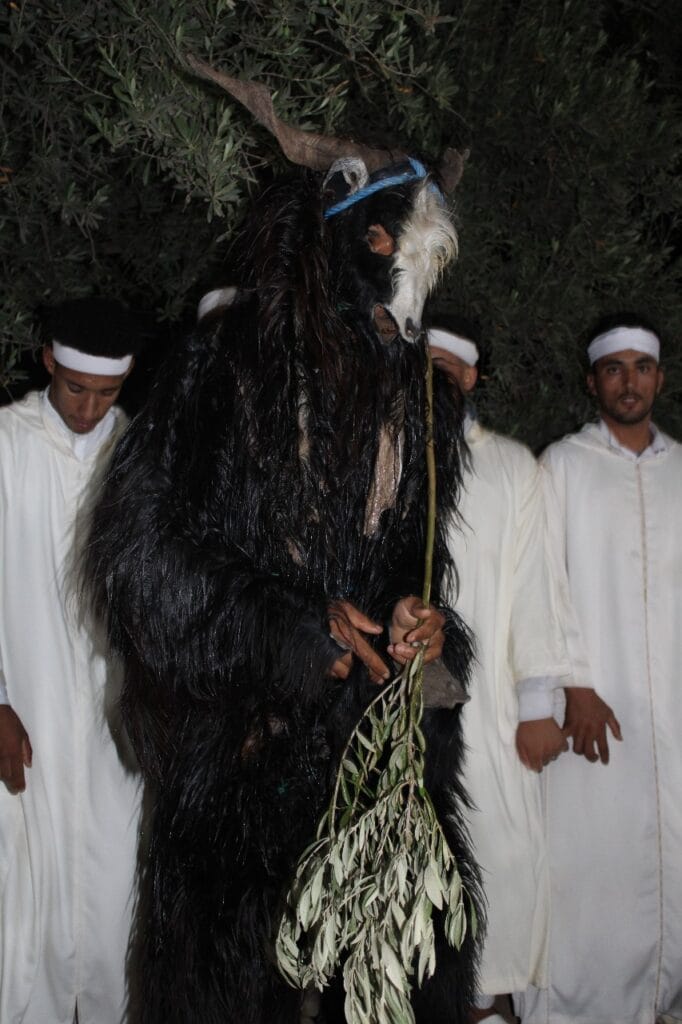
Moroccan music is the heartbeat of its people — each rhythm reflecting a different region, story, or emotion. From the desert’s hypnotic chants to the urban melodies of Fez and Casablanca, sound here transcends entertainment; it’s an act of belonging.
- Gnawa music, rooted in Sub-Saharan spirituality, blends ritual, rhythm, and trance. Its guembri bass lines and iron castanets summon ancestral memory.
- Andalusian classical music, introduced from Spain, offers refinement and melancholy — the poetry of exile and harmony.
- Amazigh music, with its poetic izlan and drums, captures the freedom of mountains and fields.
- Chaabi, the people’s music, thrives in weddings and souks — spontaneous, joyous, inclusive.
Festivals and Cultural Revival
Moroccan festivals are celebrations of both heritage and renewal :
- Fès Festival of World Sacred Music – A global gathering of faith and art promoting peace through sound.
- Essaouira Gnawa Festival – A spiritual journey bridging Africa and the world.
- Mawazine Festival (Rabat) – One of the largest music events in the world, showcasing Morocco’s openness to global creativity.
Through these festivals, Morocco projects a vision of unity through diversity, where ancient rhythms meet global beats (UNESCO, 2020).
Visual Arts – Between Ancestry and Modern Expression
The Contemporary Moroccan Art Scene
While rooted in tradition, Morocco’s visual arts have evolved dramatically. The 20th century witnessed the rise of modernist pioneers such as Mohamed Melehi, Farid Belkahia, and Chaïbia Talal, who blended traditional motifs with avant-garde techniques.
Today, Morocco’s art scene flourishes through galleries in Casablanca, Rabat, and Marrakech, hosting biennales and exhibitions that connect local identity to global discourse.
Contemporary artists explore themes of migration, memory, and transformation, often reinterpreting Amazigh patterns, Islamic geometry, and urban graffiti in abstract forms.
Art as Cultural Diplomacy
Art and Culture of Morocco has become a tool of international cultural dialogue. Exhibitions at the Venice Biennale and collaborations with the Louvre highlight Morocco’s position as a creative bridge between continents.
As Moroccan artists embrace digital mediums, the country enters a new era of creative diplomacy, where tradition becomes the foundation for innovation (Ben Mlih, 2021).
Literature and Oral Traditions – The Voice of the People
The Power of Storytelling
Before Morocco wrote its history in books, it told it in words — sung, chanted, and remembered. Amazigh oral poetry, known as Izlan, and desert chants like Ahellil of Gourara, carried lessons of life, love, and faith.
Modern Moroccan literature continues this legacy. Authors such as Tahar Ben Jelloun, Driss Chraïbi, and Leïla Slimani explore identity, memory, and modernity, blending the poetic with the political.
Through literature, Morocco expresses the duality of its existence — deeply rooted in tradition yet eager to question and evolve.
Language as Identity
Language in Morocco is more than communication; it’s heritage. The coexistence of Arabic, Tamazight, and French creates a multilingual tapestry where each word carries cultural memory.
Efforts to promote Tamazight education and documentation ensure that ancestral voices are never silenced (IRCAM, 2022).
Festivals, Rituals, and Everyday Art
The Aesthetics of Daily Life
In Morocco, art extends beyond canvas and clay; it’s embedded in how people live. The act of serving tea becomes choreography — pouring from high to aerate and honor the guest.
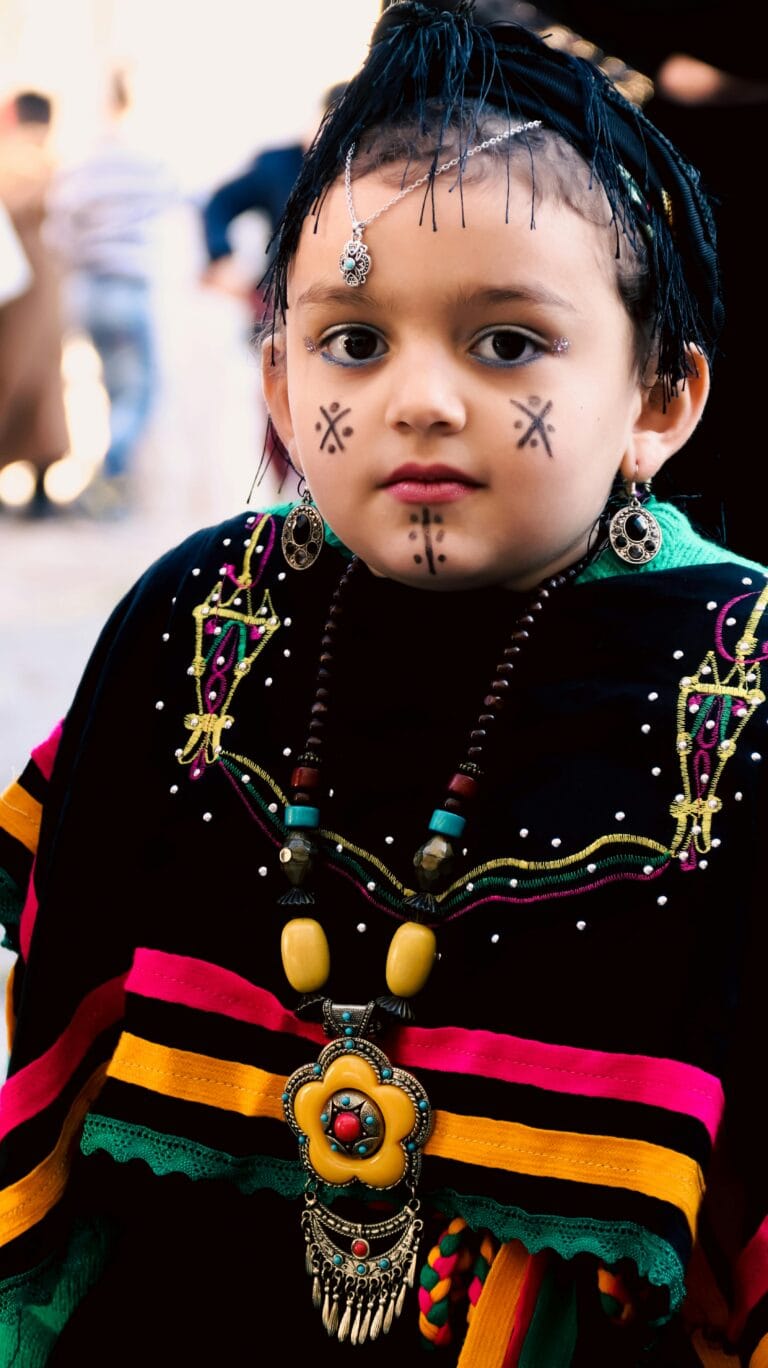
The djellaba and Moroccan Caftan represent both modesty and elegance, adorned with intricate embroidery that signifies regional identity.
Henna patterns, wedding songs, and communal feasts transform daily life into ritual. Even the walls of homes, painted in blue, red, or ochre, reflect a belief that color protects and blesses.
Celebrating the Year
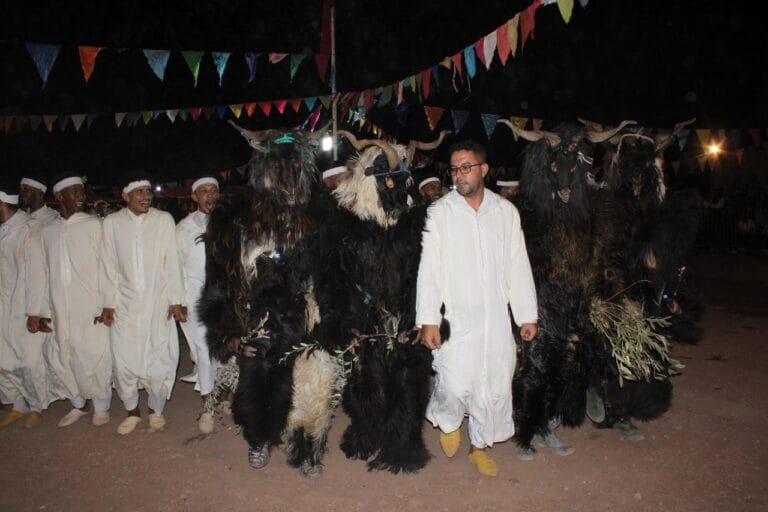
From the Moussem of Tan-Tan to the Festival of Roses in Kelaat M’Gouna, Morocco celebrates the cycle of life with art and devotion, without forgetting the Amazigh New Year (Id Yennayer), one of the oldest living cultural calendars on earth.
These gatherings unite tribes, artisans, and pilgrims, reinforcing cultural continuity while generating local economies.
The Modern Renaissance – Art, Identity, and Innovation
Urban Art and Creative Hubs
Today, a new generation of Moroccan artists redefines tradition in digital spaces. Cities like Casablanca and Marrakech have become incubators for street art, design collectives, and creative startups.
Murals turn city walls into public galleries, while art-tech platforms connect artisans to global buyers.
This creative renaissance is transforming Morocco into an African leader in cultural innovation — merging the ancestral with the futuristic.
The Cultural Economy
According to the UNESCO Creative Economy Report (2023), Morocco’s creative industries represent a rapidly growing economic sector, employing thousands in arts, design, and heritage tourism.
Government initiatives such as “Vision 2025 for Culture and Heritage” aim to integrate creativity into sustainable development strategies.
Challenges and Opportunities
Preserving Heritage in a Globalized World
Globalization brings both opportunity and risk. While Moroccan art reaches wider audiences, it also faces threats of commercialization and cultural dilution.
To safeguard authenticity, Morocco invests in heritage education, museum development, and digital archiving, ensuring that traditions remain alive rather than fossilized (ICOM Morocco, 2023).
Empowering the Next Generation
Empowerment is key. Young artists, especially women, are reclaiming space in cultural narratives once dominated by tradition. NGOs and academies now provide training and funding, fostering a new era of inclusive creativity.
Conclusion – Morocco’s Living Tapestry
To understand the art and culture of Morocco is to experience a dialogue between time and soul. Every design, melody, and ritual is an echo of ancestors — yet always in motion, always evolving.
You realize that in Morocco, art is not made for museums; it’s made for life. It’s in the crafts that sustain families, the songs that heal hearts, and the walls that breathe light.
This is Morocco’s true masterpiece — a living tapestry woven with threads of heritage, faith, creativity, and resilience.
FAQs – Art and Culture of Morocco
1. What defines the art and culture of Morocco?
They are defined by their fusion of Amazigh, Arab, Andalusian, and African influences, expressed through crafts, music, architecture, and literature.
2. Why is craftsmanship so vital to Moroccan identity?
Craftsmanship connects communities to their ancestors and supports sustainable livelihoods through handmade traditions.
3. What role does modern art play in Morocco?
It bridges the past and present, using technology and global collaboration to express identity in contemporary forms.
4. How does Morocco protect its heritage?
Through UNESCO designations, education, cooperatives, and creative economy policies, Morocco preserves its traditions while adapting them for future generations.
5. What festivals showcase Moroccan creativity?
The Fès Sacred Music Festival, Gnawa Festival, and Moussem of Tan-Tan are prime examples of Morocco’s living cultural spirit.
References
- Burckhardt, T. (1976). Art of Islam: Language and Meaning. World of Islam Festival Trust.
- UNESCO (2020–2023). Intangible Cultural Heritage Lists – Morocco.
- Ben Mlih, A. (2021). Moroccan Modern Art and Identity. Casablanca Art Journal.
- Moroccan Ministry of Handicrafts (2022). National Craft Report.
- IRCAM (2022). Language and Cultural Preservation in Morocco.
- ICOM Morocco (2023). Museums and Heritage Policy in the Kingdom of Morocco.
- UNESCO Creative Economy Report (2023). Cultural Industries in North Africa.