Water and Rivers in Morocco: Lifelines of Civilization, Culture, and Nature
Introduction: Where Water Breathes Life into the Land
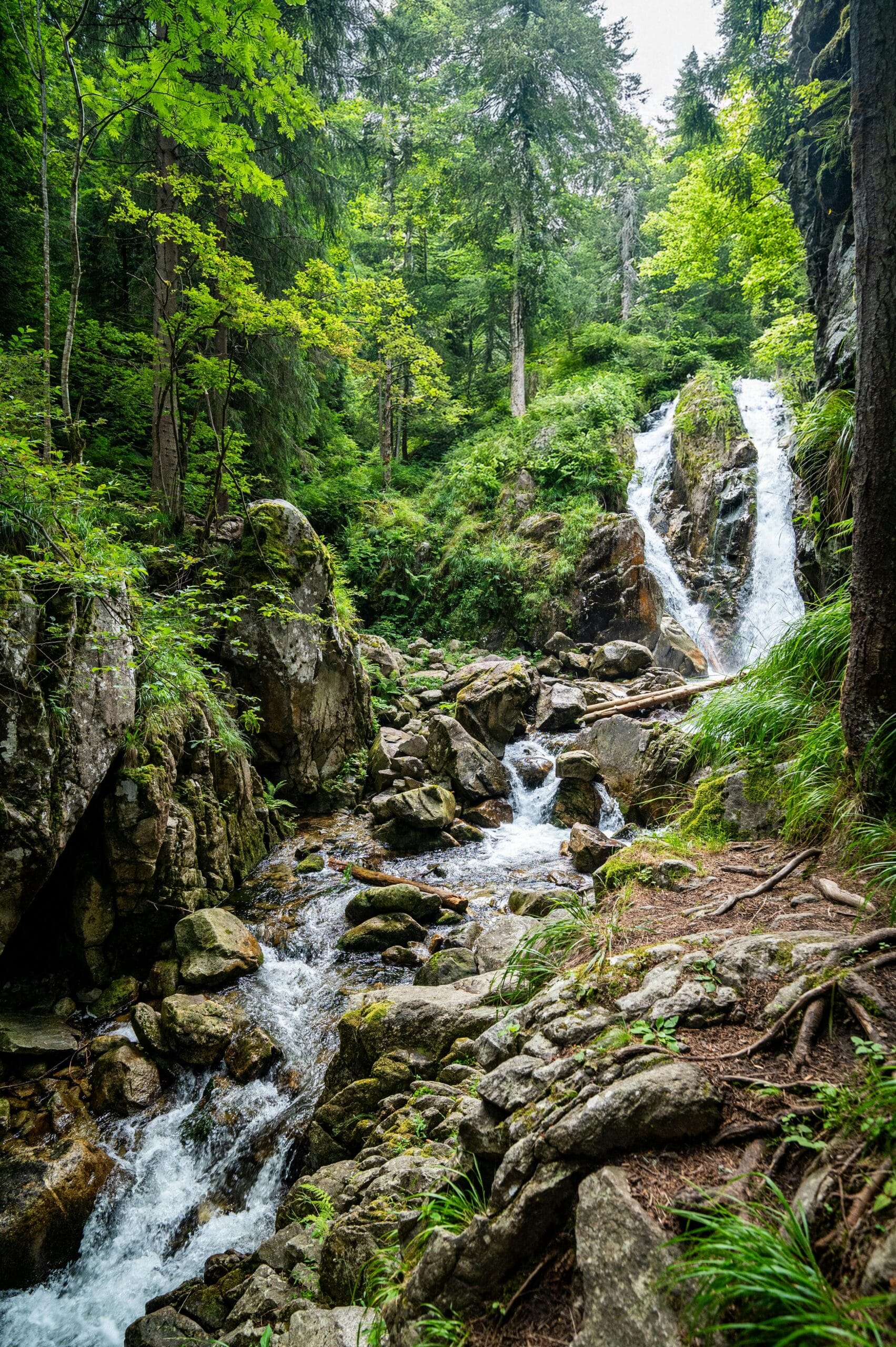
Water is the heartbeat of Moroccan nature — a sacred rhythm that has sustained civilizations, carved valleys, nourished crops, and inspired poetry for millennia. In a land often defined by its deserts and mountains, Morocco’s rivers are symbols of life and resilience. They flow like living veins through the kingdom’s diverse geography — from the snowy peaks of the Atlas Mountains to the fertile plains of Haouz, Saïss, and Souss, before finding rest in the embrace of the Atlantic and the Mediterranean.
To walk beside a Moroccan river is to feel the pulse of a country that thrives on contrast: arid dunes and lush oases, dry plateaus and rushing waterfalls, silence and song. The story of Morocco’s waters is the story of balance — between abundance and scarcity, ancient wisdom and modern challenges.
Let us dive into the flowing spirit of Moroccan nature — where every drop of water carries history, memory, and hope.
Table of Contents
The Geography of Moroccan Waters
A Land of Contrasting Landscapes
Morocco’s geography is a masterpiece of natural design. From north to south, its landscapes are shaped by the interplay between mountains, valleys, and plains. These terrains form a complex hydrological network of rivers, lakes, oases, and underground aquifers that sustain life even in the harshest regions.
- The Atlas Mountains act as natural water towers, collecting rainfall and snow that feed rivers and springs.
- The Rif Mountains in the north catch Mediterranean moisture, creating lush, green valleys.
- The Saharan regions, though arid, host underground aquifers that give birth to oases and mirages of life.
Water in Morocco does not flow everywhere equally — but where it flows, it creates miracles.
The Great Rivers of Morocco — The Arteries of the Land
The Oum Er-Rbia – The Mother of Spring
Known as “the Mother of Spring,” the Oum Er-Rbia River is the lifeline of central Morocco. It flows over 550 kilometers, from the Middle Atlas Mountains to the Atlantic near Azemmour. Along its course, it nurtures towns, farmlands, and hydroelectric dams.
- Source: Ain Asserdoun and other natural springs near Khénifra.
- Key features: Fertile plains of Settat and Doukkala, the Bin el Ouidane Dam, and scenic cascades like Ouzoud Falls.
- Importance: Supplies water to cities like Casablanca and supports thousands of farmers.
Its name reflects its abundance — Oum Er-Rbia means “Mother of Spring,” symbolizing fertility and generosity in Moroccan culture.
The Sebou River – The Guardian of the North
The Sebou River, one of Morocco’s mightiest, flows through the Rif Mountains into the fertile Gharb Plain before emptying into the Atlantic near Kenitra.
- Length: About 500 kilometers.
- Source: The Middle Atlas Mountains, near Ifrane.
- Importance: Irrigation of Morocco’s most productive agricultural region, providing wheat, sugar, and citrus.
The Sebou’s basin sustains the city of Fez, ancient capital of knowledge and spirituality, whose people have long depended on its waters for pottery, leather tanning, and agriculture.
It is often called “the river of abundance”, a reminder that Moroccan nature offers prosperity where water flows freely.
The Moulouya – The River of the East
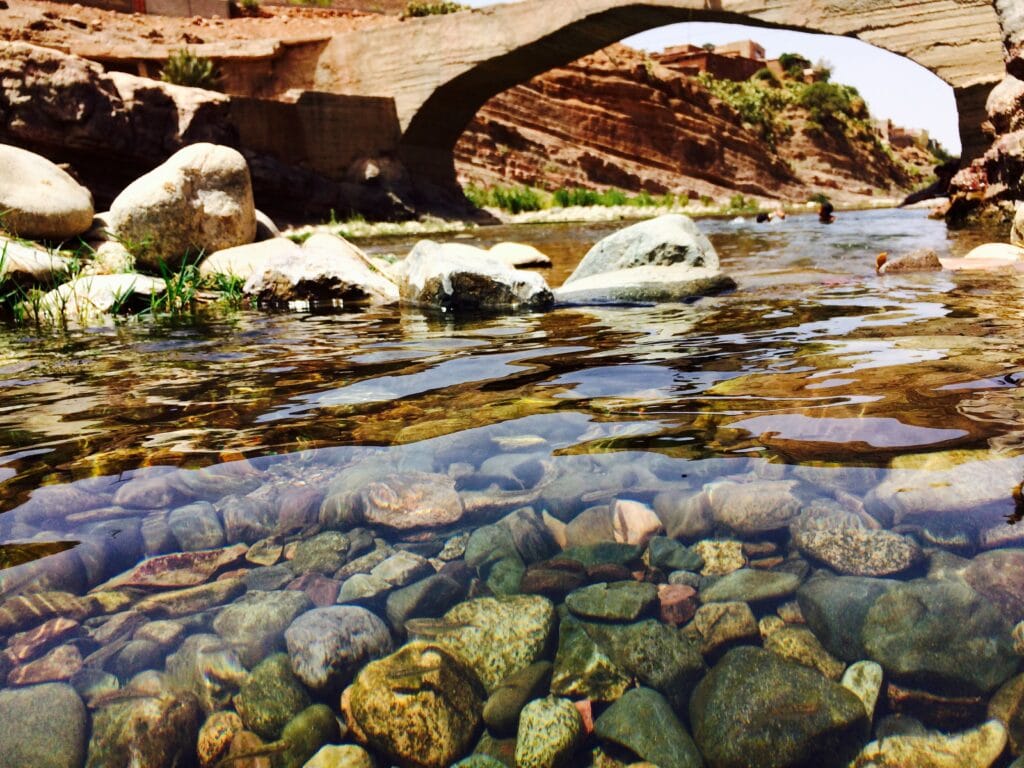
Stretching over 600 kilometers, the Moulouya River is Morocco’s longest river. It begins in the Middle Atlas Mountains and runs eastward to the Mediterranean Sea near Saidia.
- Known for its wild beauty and its role as a natural divider between the Rif and Middle Atlas regions.
- Its basin supports agriculture and pastoral life, though it faces increasing stress from overuse and climate change.
The Moulouya has always been a bridge — between nature and culture, Berber tribes and Arab dynasties, past and present. Its name echoes in local Amazigh songs as a symbol of endurance and peace.
The Tensift and Souss Rivers – Lifelines of the South
The Tensift River flows from the High Atlas Mountains, crossing the Marrakech plain before reaching the Atlantic. It has nourished the Haouz region for centuries, making the red city’s gardens and palm groves possible.
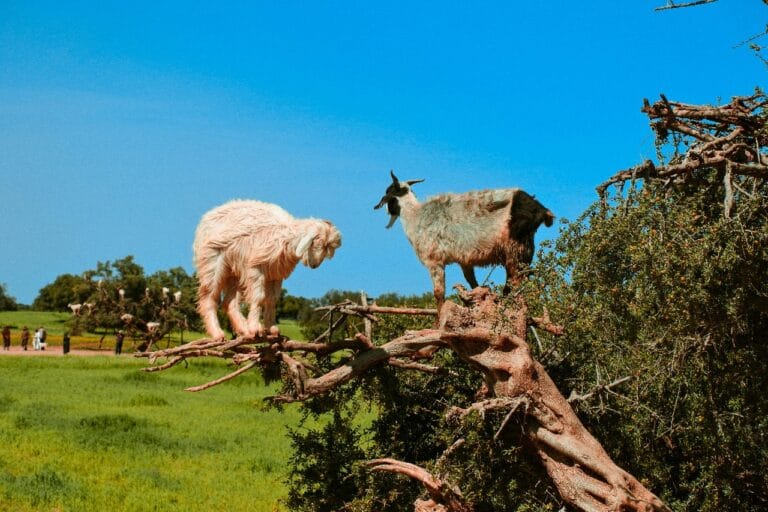
Further south, the Souss River breathes life into the semi-arid plains of Agadir. Its valley is home to Morocco’s Argan forests and citrus plantations, symbolizing the coexistence of dry climate and fertile imagination.
These rivers show that water, even when scarce, inspires ingenuity — the essence of Moroccan nature.
Lakes, Springs, and Oases — The Hidden Jewels of Moroccan Nature
The Atlas Lakes – Mirrors of the Sky
High in the Atlas Mountains lie shimmering lakes that reflect both clouds and legends.
- Lake Tislit and Lake Isli near Imilchil are tied to the ancient Amazigh tale of forbidden lovers whose tears created these twin lakes.
- Bin el Ouidane Lake — an artificial reservoir — not only generates hydroelectric power but offers breathtaking beauty amid red earth and snow-capped peaks.
Each lake is both a natural wonder and a cultural memory, blending water, myth, and mountain spirit.
The Springs of Life
Morocco’s springs are revered as gifts of purity and healing:
- Ain Asserdoun (Beni Mellal): Known for its clear cascades and lush surroundings.
- Ain Lahjar and Sidi Harazem: Celebrated for their mineral-rich waters used in traditional medicine.
- Ain Leuh and Ain Ifrane: Mountain springs that sustain nearby cedar forests and wildlife.
In Moroccan folklore, springs are spiritual thresholds — places where earth and heaven meet, often associated with saints and blessings.
The Desert Oases – Miracles of Existence
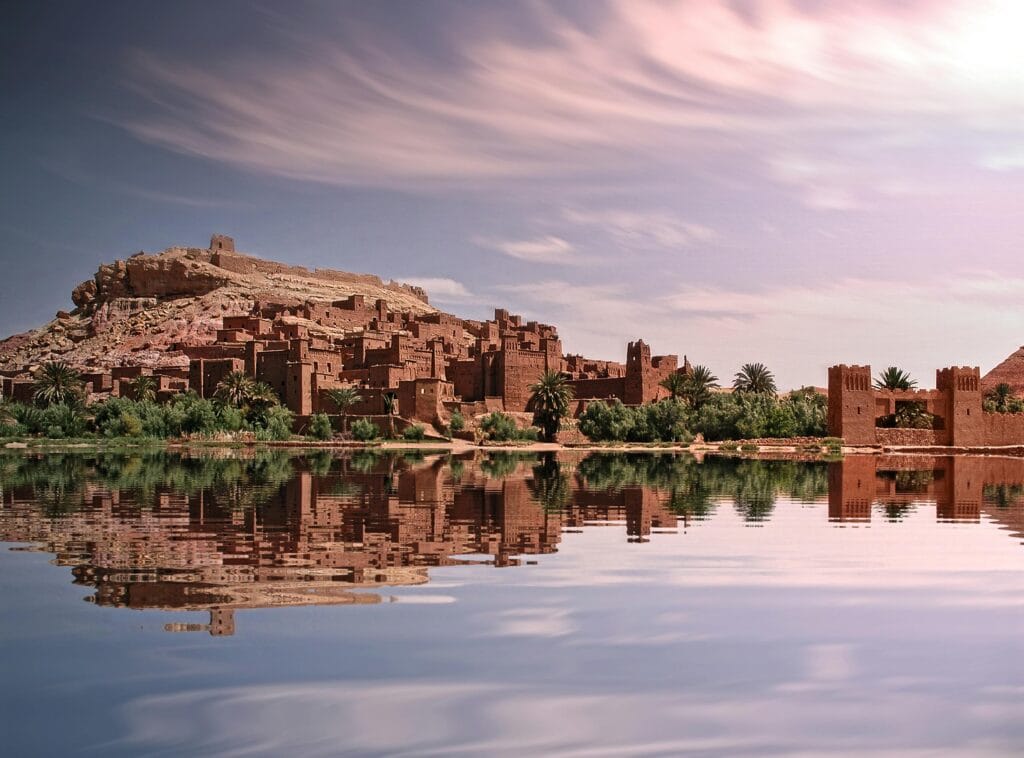
South of the Atlas, in the Draa, Ziz, and Tafilalet valleys, life clings to water like poetry to rhythm. Palm groves line narrow riverbeds, creating a world of green amid sand and silence.
These oases are architectural and ecological masterpieces — maintained through ancient irrigation systems called khettaras, underground channels that transport water for kilometers.
Here, Amazigh farmers cultivate dates, barley, and alfalfa, proving that human wisdom can turn desert into paradise.
The Spiritual and Cultural Role of Water in Morocco
Water as a Sacred Element
In Moroccan spirituality, water symbolizes purity, renewal, and divine mercy. It appears in:
- Islamic rituals like ablution (wudu), symbolizing spiritual cleansing.
- Amazigh customs, where water is used in fertility and harvest ceremonies.
- Folklore, where rivers are inhabited by jnoun (spirits) and protected by saints.
Throughout Moroccan history, fountains and hammams were built not just for hygiene, but as acts of devotion — celebrating the harmony between body, soul, and nature.
Water in Moroccan Art and Architecture
Moroccan artisans weave the essence of water into their creations:
- Fountains in riads represent tranquility and paradise.
- Zellij tiles in shades of blue and turquoise evoke the flow of rivers and waves.
- Poetry and music — especially in Andalusian and Amazigh traditions — often compare love to flowing water, symbolizing depth, motion, and eternity.
In Moroccan nature, water is not just physical — it is metaphysical, a bridge between existence and essence.
The Environmental Challenges Facing Morocco’s Water Systems
The Threat of Scarcity
Morocco is among the countries most vulnerable to water stress due to:
- Decreasing rainfall caused by climate change.
- Overexploitation of groundwater for agriculture.
- Pollution of rivers from industrial and urban waste.
Average water availability has dropped from 2,500 cubic meters per person in 1960 to less than 600 cubic meters today — below the international water scarcity threshold.
Desertification and Drought
As the Sahara expands northward, Morocco faces the dual challenge of soil degradation and river depletion. The Draa and Ziz rivers, once perennial, now flow only seasonally in many areas.
Sustainable Solutions – Morocco’s Water Vision for the Future
National Water Strategy 2050
Morocco has adopted a visionary approach to safeguard its waters, including:
- Building dams and reservoirs — over 150 across the country.
- Developing desalination plants, such as the one in Agadir, to provide fresh water to coastal and arid regions.
- Promoting water reuse for agriculture and industry.
- Restoring wetlands and oases to preserve biodiversity.
This strategy aims to make Morocco a model of hydrological resilience in North Africa.
Community and Tradition in Water Management
In rural Morocco, ancestral systems like seguias (irrigation channels) and khettaras continue to function alongside modern infrastructure. This coexistence of old and new reflects the genius of Moroccan adaptation — a harmony between heritage and innovation.
Rivers as Inspiration — The Poetry of Moroccan Nature
Rivers in Amazigh and Arabic Literature
From the ancient Amazigh bards to modern Moroccan poets, water flows through the nation’s imagination:
- It represents love, patience, and the passage of time.
- It mirrors freedom and belonging, the constant journey of Moroccan identity.
In oral storytelling, rivers are often metaphors for destiny — unpredictable yet essential, humble yet mighty.
Moroccan Nature as a Living Poem
The rivers of Morocco teach lessons of beauty and endurance. They remind us that strength lies not in resistance but in flow — the quiet persistence of water carving stone, drop by drop.
Conclusion: Morocco’s Flowing Spirit
To understand Moroccan nature is to follow its waters — from the snow of the Atlas to the sands of the Sahara, from roaring cascades to silent springs. Water is not just a resource; it is the soul of Morocco, shaping its landscapes, feeding its people, and inspiring its art.
The rivers whisper ancient songs of patience, unity, and rebirth. They tell us that every living thing, from a palm tree to a village child, carries the memory of water — a reminder that life itself is a journey that flows ever onward.
FAQs About Moroccan Nature and Water
Q1: What are the main rivers in Morocco?
The main rivers are the Oum Er-Rbia, Sebou, Moulouya, Tensift, Souss, and Draa, each playing a vital role in the nation’s ecosystem and agriculture.
Q2: Why is water important in Moroccan culture?
Water symbolizes purity, renewal, and divine blessing in Moroccan spirituality and daily life, appearing in religious rituals, art, and community traditions.
Q3: How does Morocco address water scarcity?
Through a national strategy combining dams, desalination plants, efficient irrigation, and wetland restoration, alongside traditional systems like khettaras.
Q4: What role do rivers play in Moroccan agriculture?
Rivers irrigate Morocco’s fertile plains, support date palms and citrus orchards, and enable sustainable farming even in semi-arid zones.
Q5: What makes Moroccan nature unique?
Its diversity — from snow-capped mountains to deserts, forests, and rivers — and the way its people harmonize tradition with modern sustainability.
References
- UNESCO. (2021). Morocco’s Water Heritage and Sustainability Initiatives.
- FAO. (2023). Morocco: Managing Water Scarcity for Agricultural Sustainability.
- Ministry of Equipment, Water and Logistics (2024). National Water Strategy 2050.
- World Bank. (2022). Morocco’s Path Toward Water Resilience.
- Housni, A. (2020). Hydrology and Cultural Geography of Moroccan Rivers.
- UNEP. (2021). Water, Climate, and Ecosystems in North Africa: Morocco’s Model of Adaptation.
Call to Action:
Cherish Morocco’s rivers, protect its springs, and honor its waters. By preserving the flow of Moroccan nature, we ensure that its beauty — ancient, vibrant, and life-giving — will continue to inspire the world for generations to come.