
Here is your first step to knowlege
Tamazight, the indigenous language of North Africa.
Get knowlege
The Amazigh Language: History, Structure, Identity
Language is at the heart of Amazigh identity.
Tamazight Language, the indigenous language of North Africa, is spoken across Morocco in three main regional varieties: Tamazight (Middle Atlas), Tachlhit (Souss & High Atlas), and Tarifiyt (Northern Rif).”
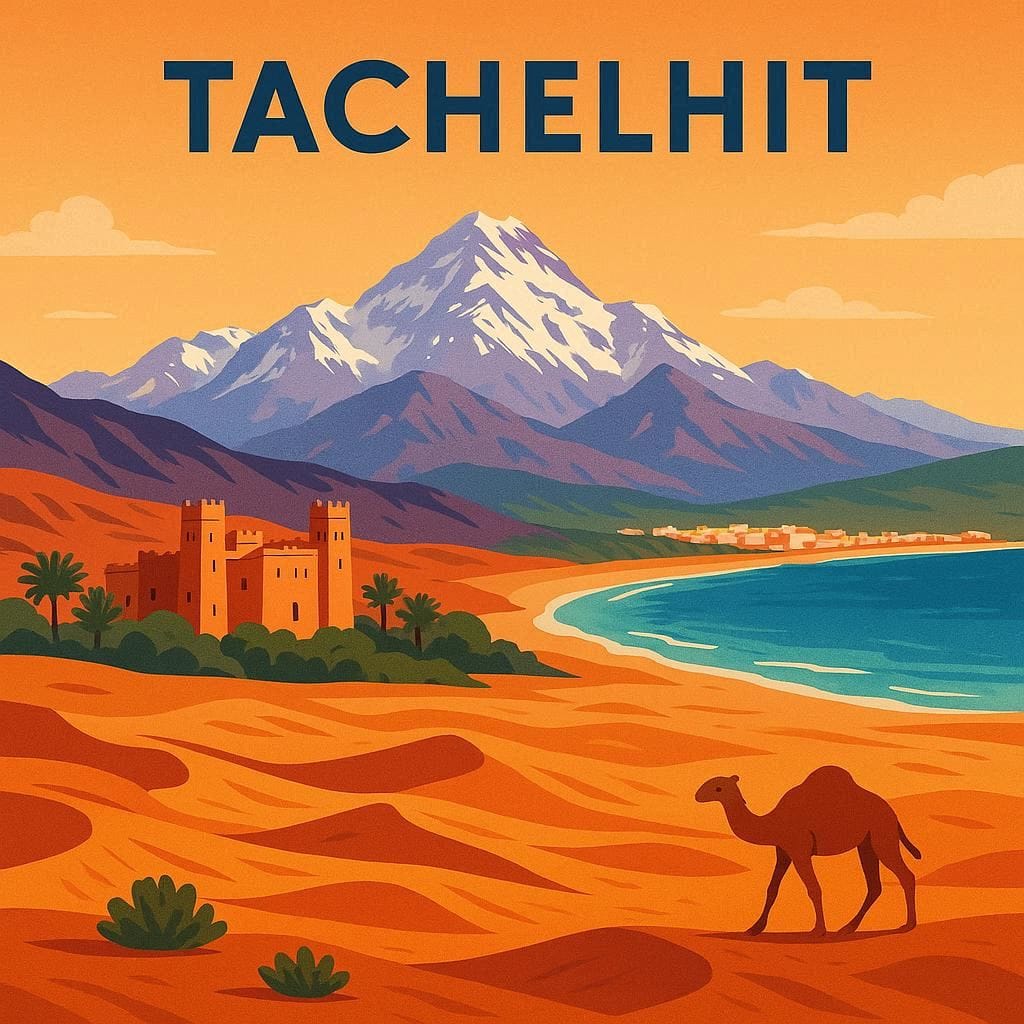
Tachelhit (Shilha): Language of the Souss and High Atlas
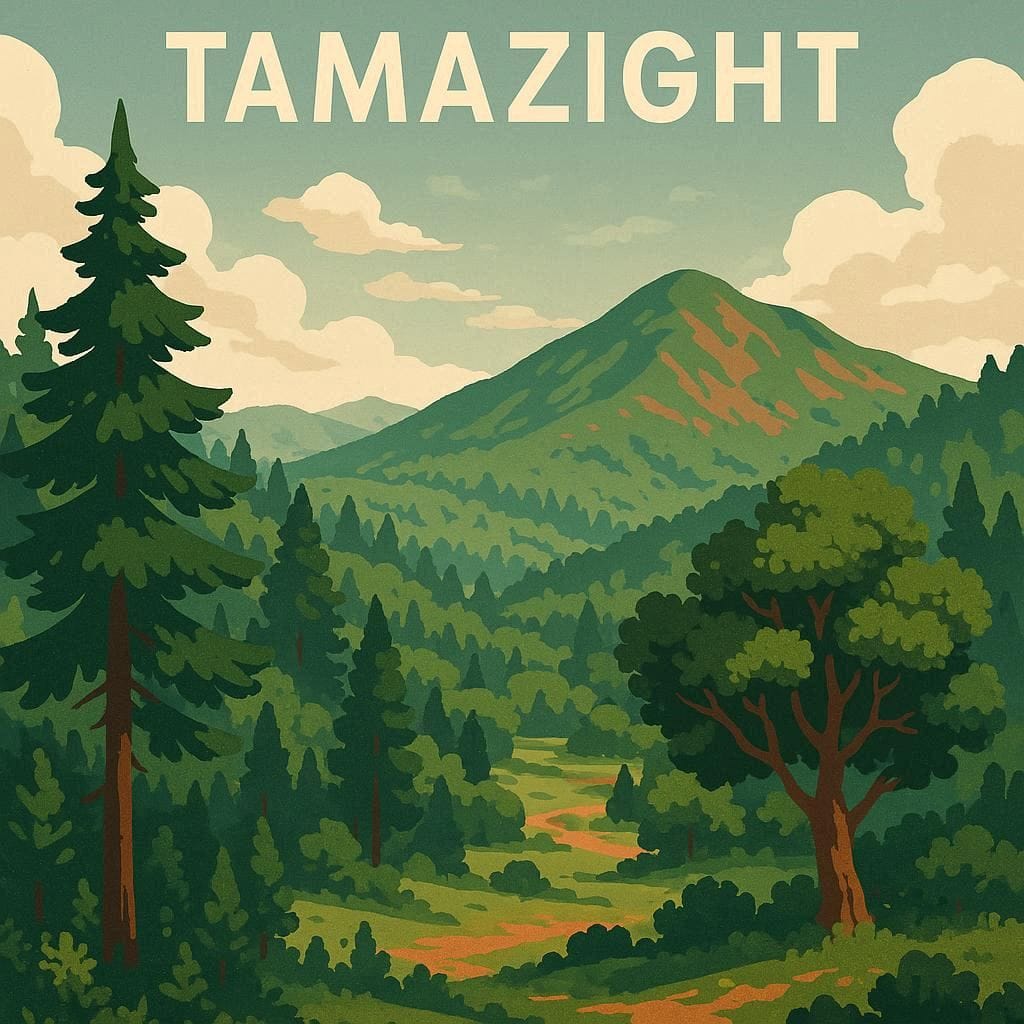
Tamazight of the Middle Atlas (Central Atlas Tamazight)
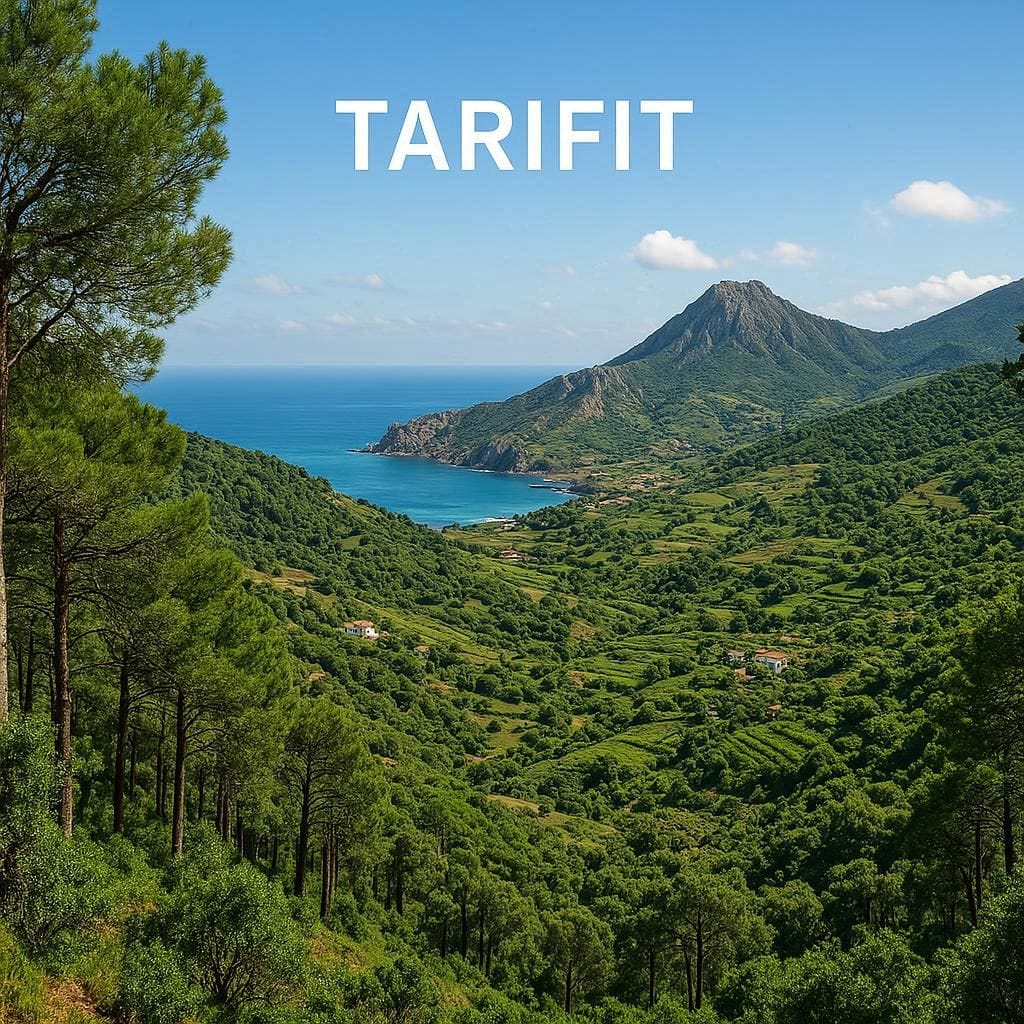
Tarifiyt (Rifian Amazigh): Language of Northern Morocco
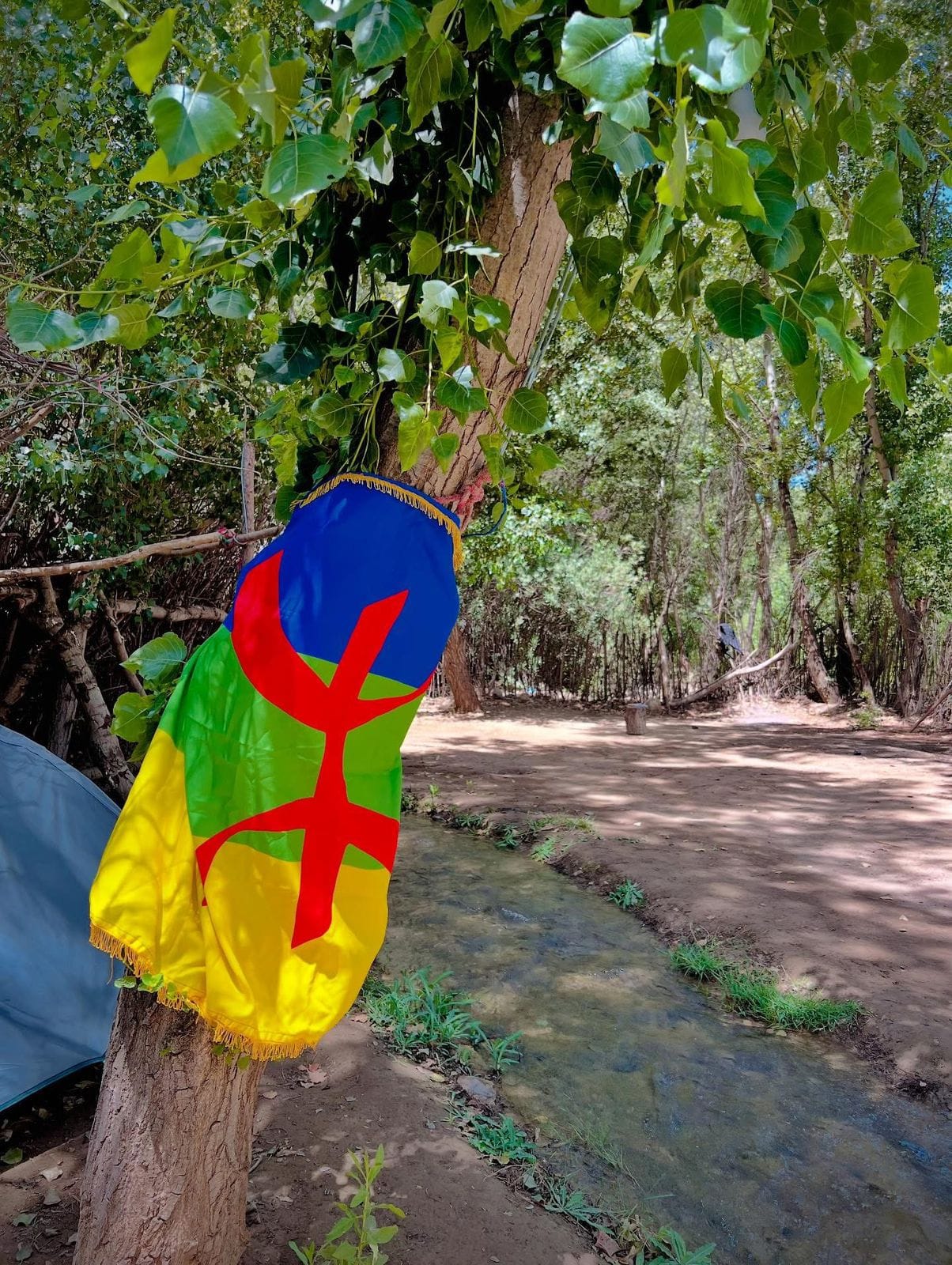
Tamazight Language in Morocco
Tamazight Language: History, Standardization & Identity
Abstract
The Amazigh languages in Morocco form one of North Africa’s oldest linguistic traditions. Commonly referred to as “Tamazight” in a broad sense, these languages include three major varieties: Tachelhit in the south, Tarifiyt in the north, and Central Atlas Tamazight in the Middle Atlas region. Together, they represent a living expression of Morocco’s indigenous heritage.
Although grouped under the name Tamazight, each variety has its own phonetic patterns, vocabulary, and regional identity shaped by geography and history.
Tamazight (ⵜⴰⵎⴰⵣⵉⵖⵜ) refers both to the Tamazigh language family of North Africa and, in Morocco, to the standardized variety recognized since 2011 as an official language of the state. Spoken by millions across the Atlas Mountains and Rif, Tamazight is central to the cultural identity of Morocco’s indigenous Amazigh population. The language is written in Tifinagh script, taught in schools, and promoted by the Royal Institute of Amazigh Culture (IRCAM).
1. The Term “Tamazight”
Tamazight in a narrow sense: Middle Atlas dialect.
Tamazight in a broad sense: umbrella for all Amazigh (Berber) varieties in Morocco (Tachelhit, Tarifiyt, Central Tamazight).
Linguistically, Tamazight is part of the Afroasiatic family, related to Arabic, Hebrew, and Ancient Egyptian.
2. Geographic & Demographic Distribution
Speakers in Morocco: Estimates range from 10–12 million (around 30–35% of the population).
Main regions:
Rif (Tarifiyt)
Middle Atlas (Tamazight proper)
Souss & High Atlas (Tachelhit)
Diaspora: Large communities in France, Belgium, the Netherlands, Spain, Canada.
3. Historical Background
Antiquity: Ancient Libyco-Berber inscriptions attest to the long presence of Amazigh languages.
Medieval period: Amazigh dynasties (Almoravids, Almohads, Merinids) spread the language across North Africa and Andalusia.
Colonial & postcolonial eras: Arabization policies marginalized Amazigh; oral tradition became the main domain of preservation.
Revival: Since the late 20th century, movements for Amazigh rights led to recognition of Tamazight in Morocco’s 2011 Constitution as an official language.
4. Linguistic Features
4.1 Phonology
3 vowels: a, i, u.
Emphatic consonants (ṭ, ḍ, ṣ, ẓ).
Complex consonant clusters, especially in Tachelhit.
4.2 Morphology
Nouns: Gender (masculine/feminine), marked with t-…-t.
Verbs: Aspects: aorist, imperfective, perfective.
Pronouns: Rich system of independent and clitic forms.
4.3 Syntax
Flexible word order, typically VSO.
Negation: ur … ara.
Relative clauses introduced with i, ani.
5. Writing System: Tifinagh
Ancient roots: Tifinagh inscriptions date back 2,000+ years in the Sahara.
Modern standard: IRCAM codified Neo-Tifinagh in 2003.
Usage: School textbooks, signage, digital platforms (Unicode-supported).
Example:
Tifinagh: ⵜⴰⵎⴰⵣⵉⵖⵜ
Latin: Tamazight
Arabic: الأمازيغية
6. Oral Literature & Cultural Value
Poetry (Izlan, Izran): Oral verse expressing identity, resistance, love.
Music: Ahwach (South), Ahidous (Middle Atlas), Rifian chants.
Storytelling: Epics, proverbs, fables transmit collective memory.
7. Standardization & Modern Status
IRCAM’s role: Producing textbooks, dictionaries, teacher training.
Official recognition: 2011 Constitution made Tamazight co-official with Arabic.
Media presence: TV channels (Tamazight TV), radio, press.
Challenges: Limited implementation in schools; urban youth shift toward Arabic/French.
8. Tamazight in Identity & Politics
Tamazight is not only a language but also a symbol of cultural resilience and indigenous rights. It bridges Morocco’s diverse regions and links modern identity to ancient heritage.
9. Sample Proverb
Tifinagh: ⵜⴰⵎⴰⵣⵉⵖⵜ ⵜⴰⵎⵓⵙⵙⵉⵜ ⵏ ⵜⵓⵙⵎⵎⵓⵙⵉⵜ
Latin: Tamazight tamussit n tusmmusit.
Gloss: “Tamazight is the foundation of unity.”
10. Conclusion
Tamazight is a living heritage: rooted in antiquity, shaped by history, and revived through modern education and activism. As Morocco moves toward deeper multilingualism, Tamazight is emerging as a pillar of identity, creativity, and national unity.
11. References & External Links
Chaker, S. (1995). Berbères aujourd’hui.
Ennaji, M. (2011). Multilingualism, Cultural Identity, and Education in Morocco.
IRCAM – Official Website